
Montara Manzanita

Arctostaphylos montaraensis

Heath Family (Ericaceae)

Native

Key Identifying Characteristics

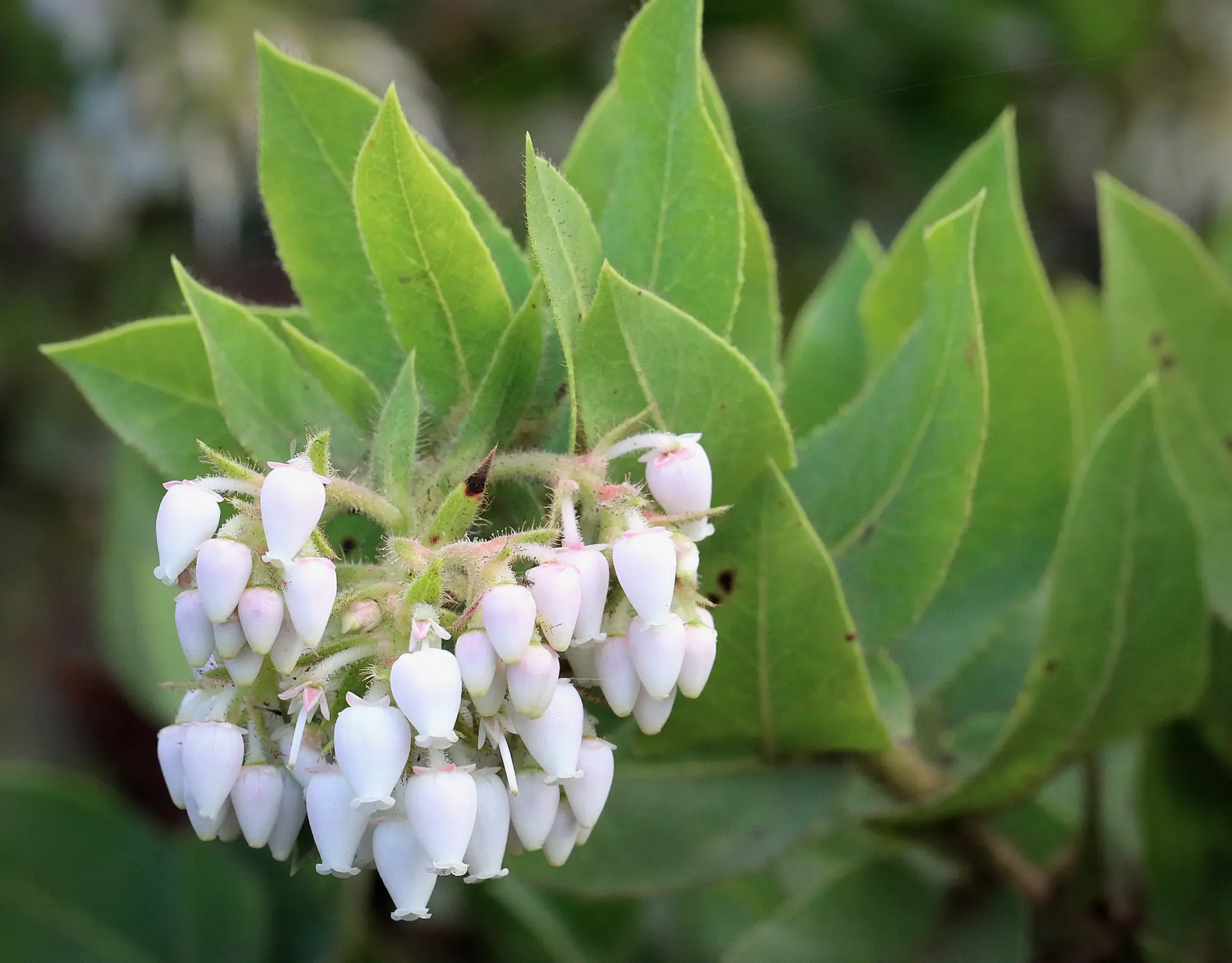
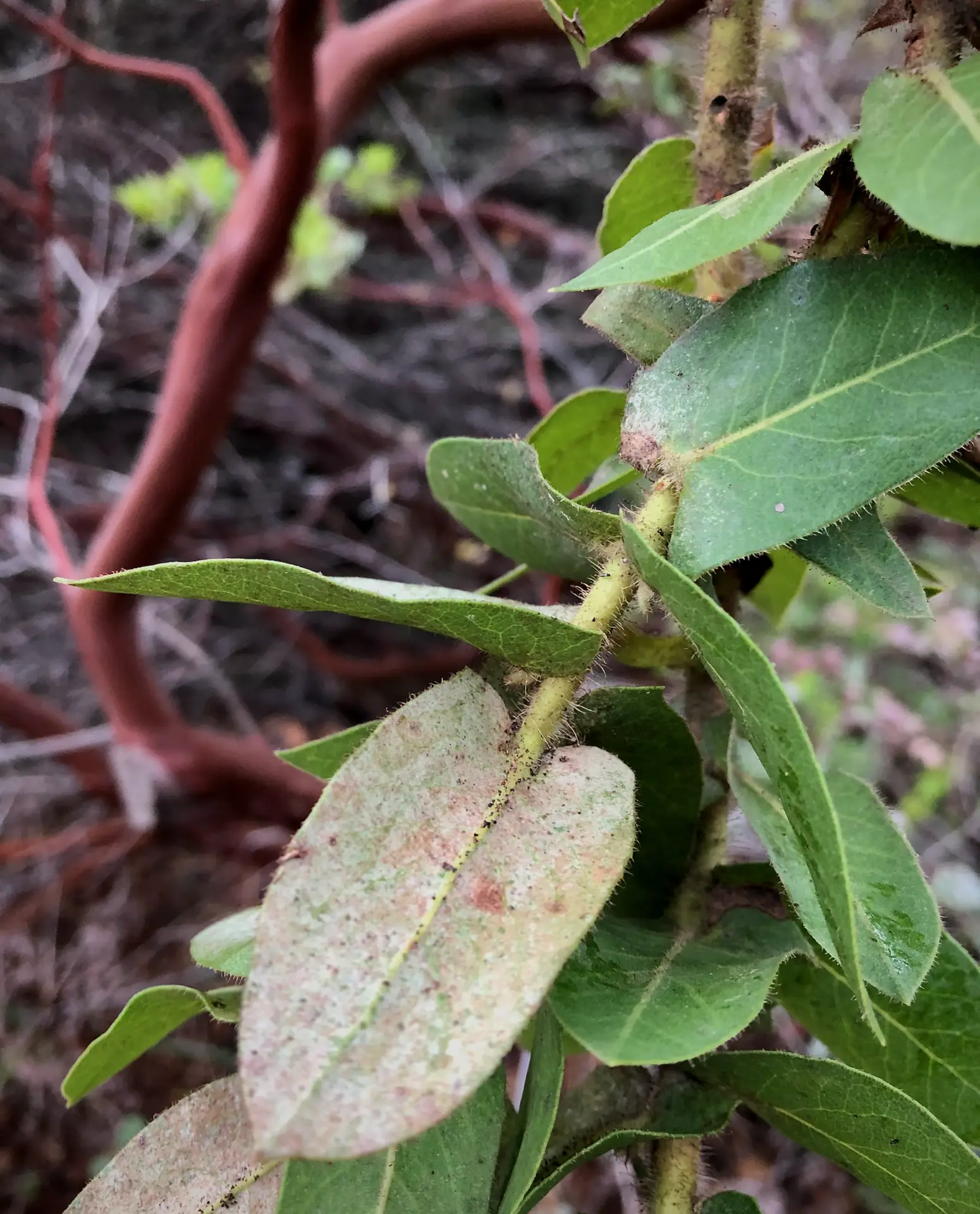
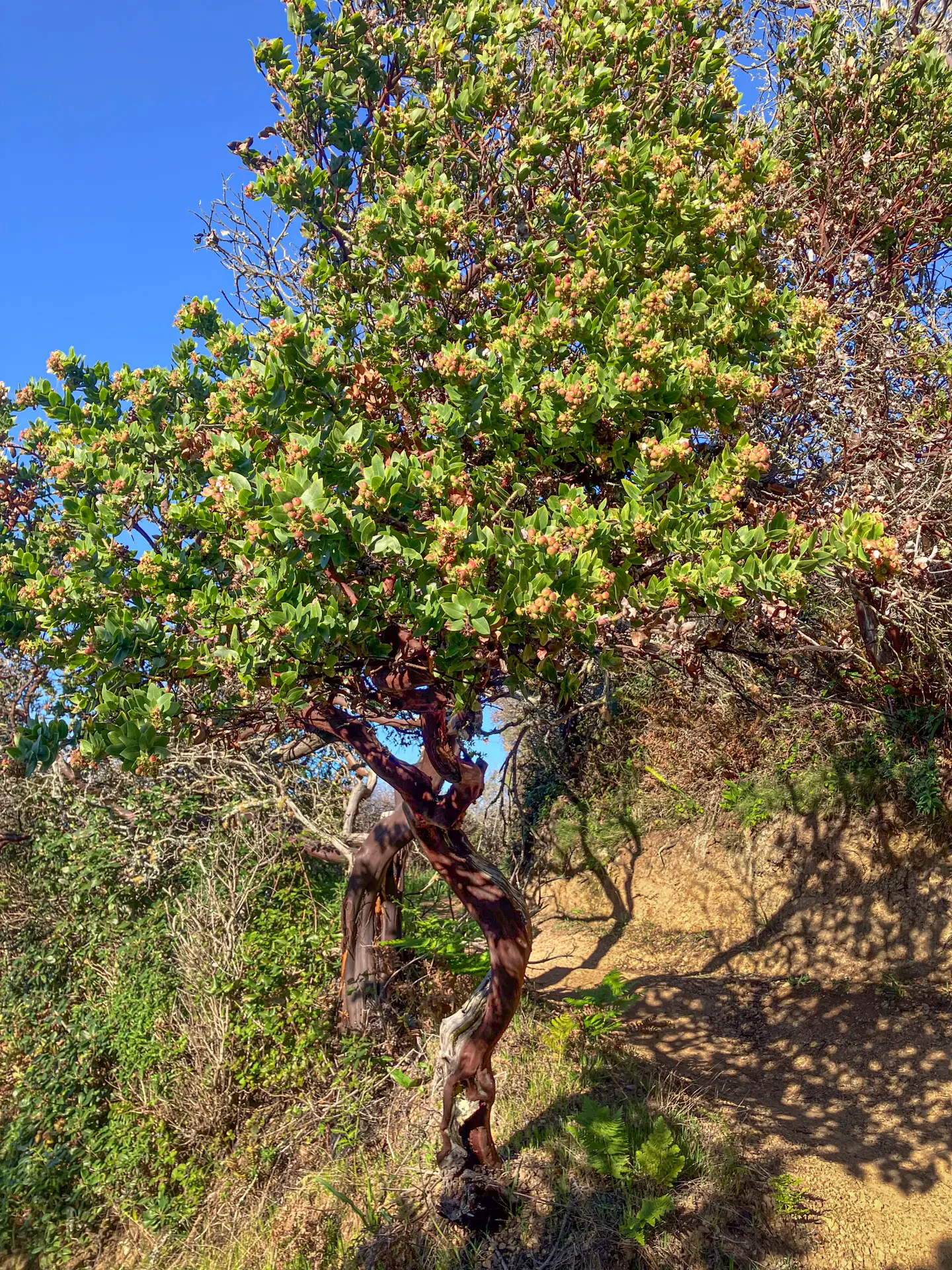
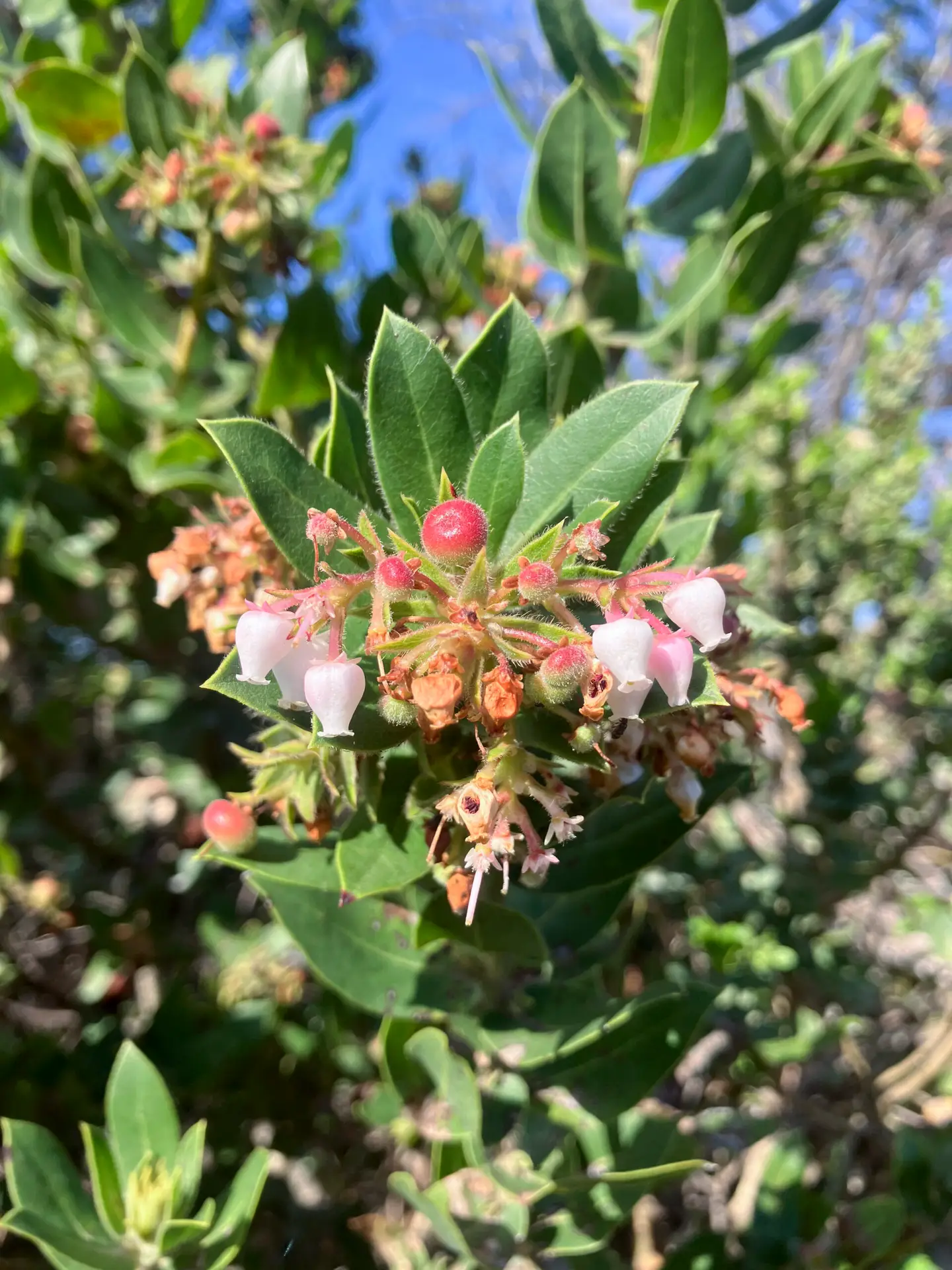
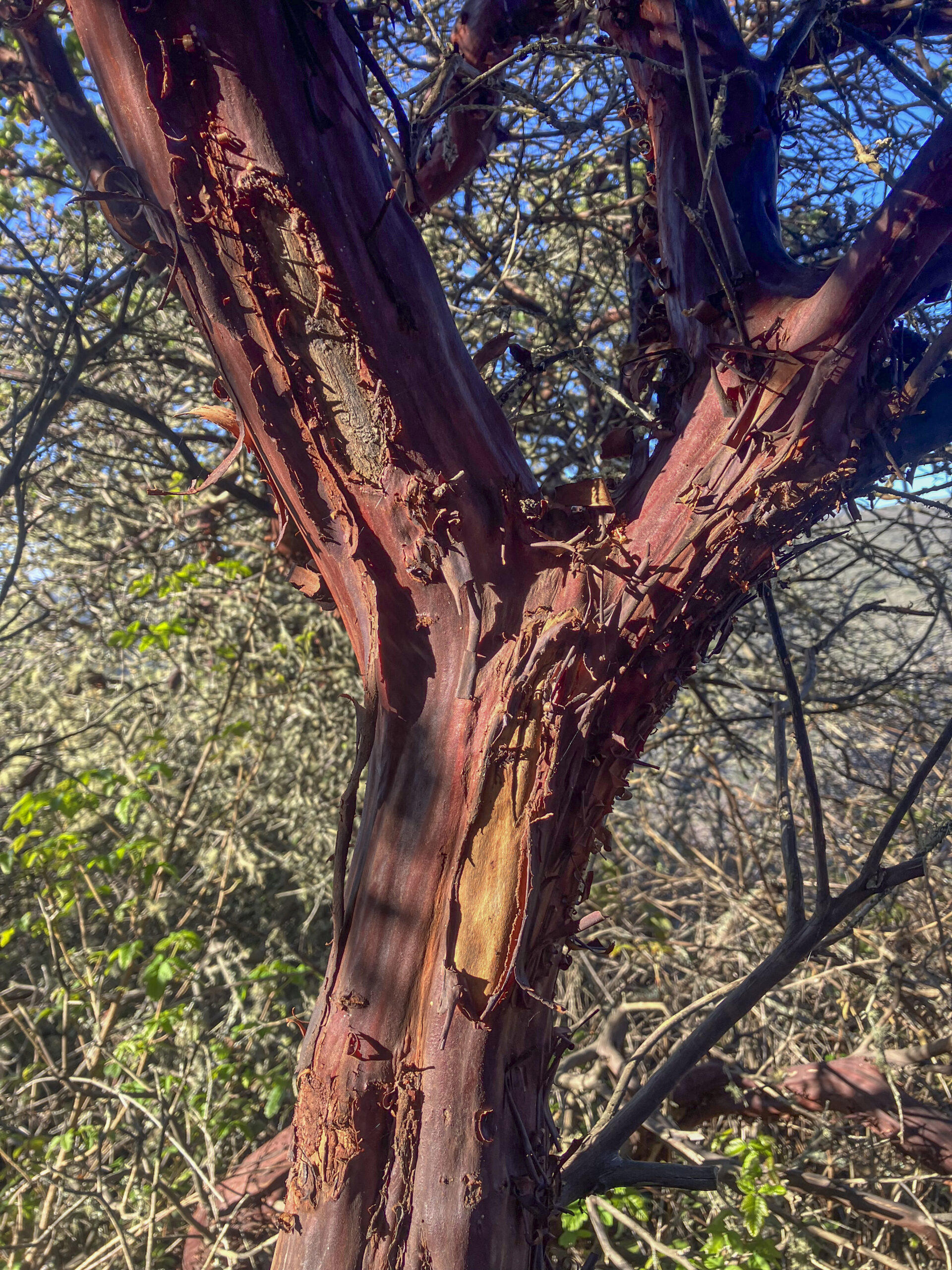
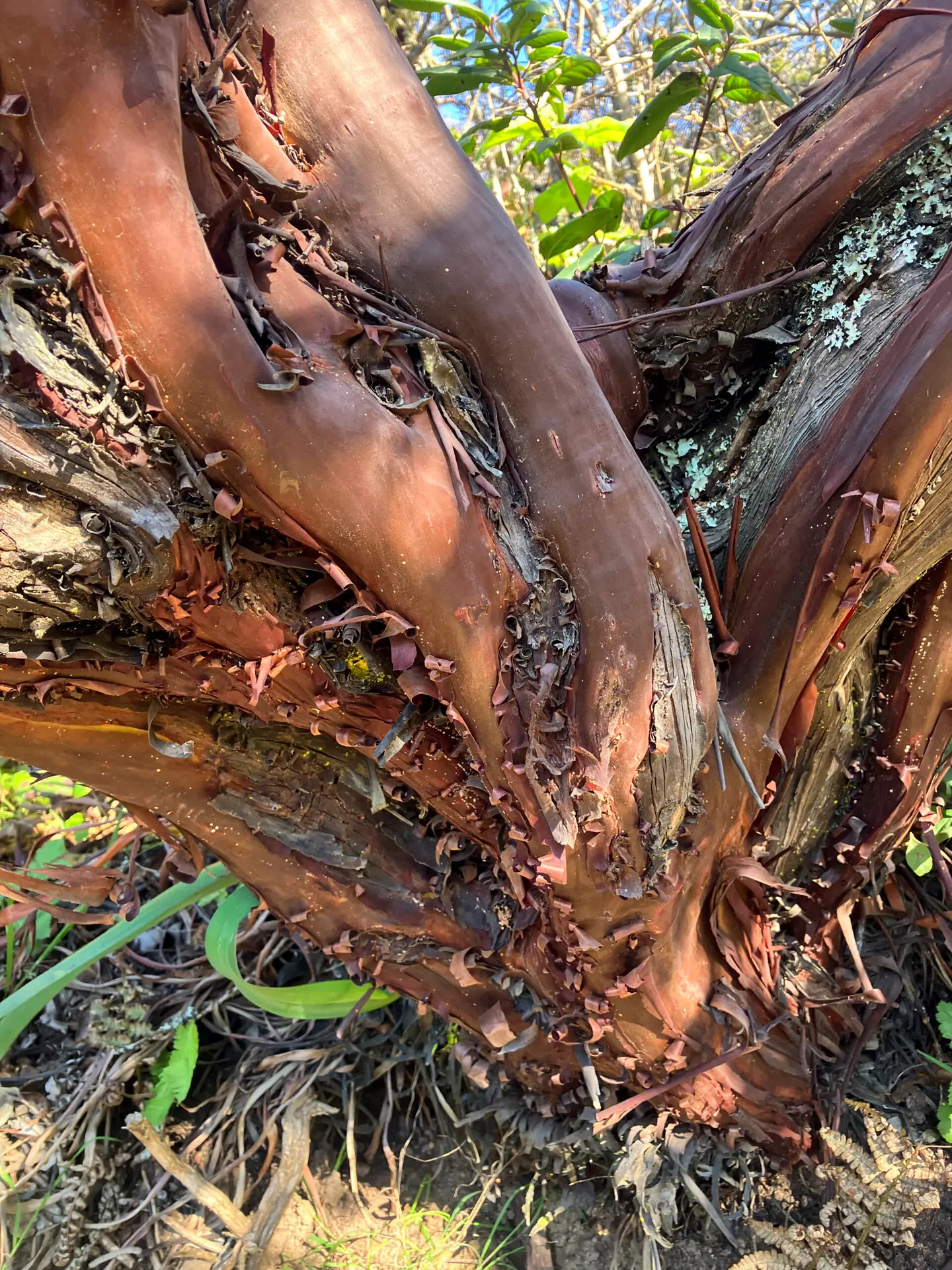
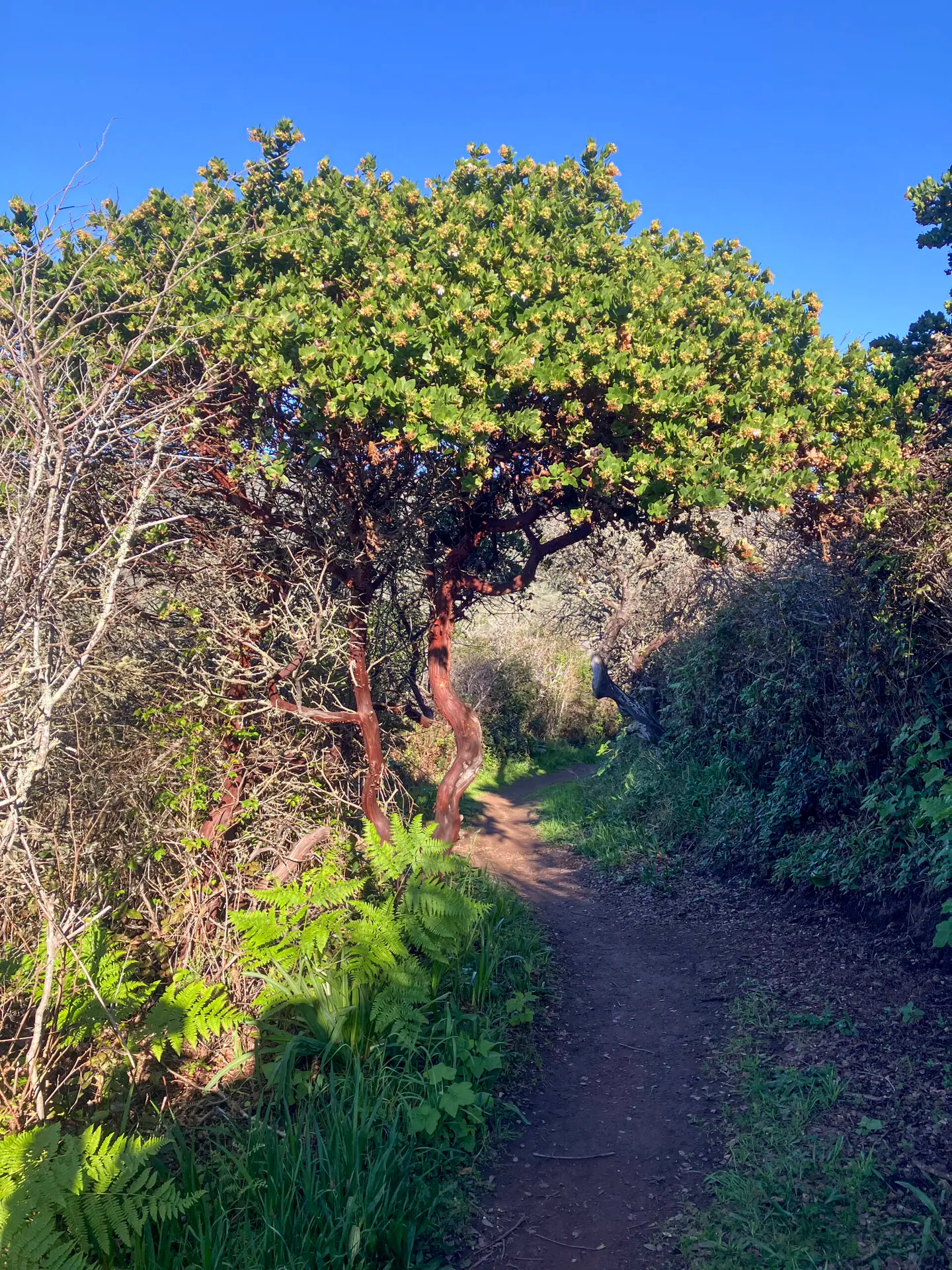
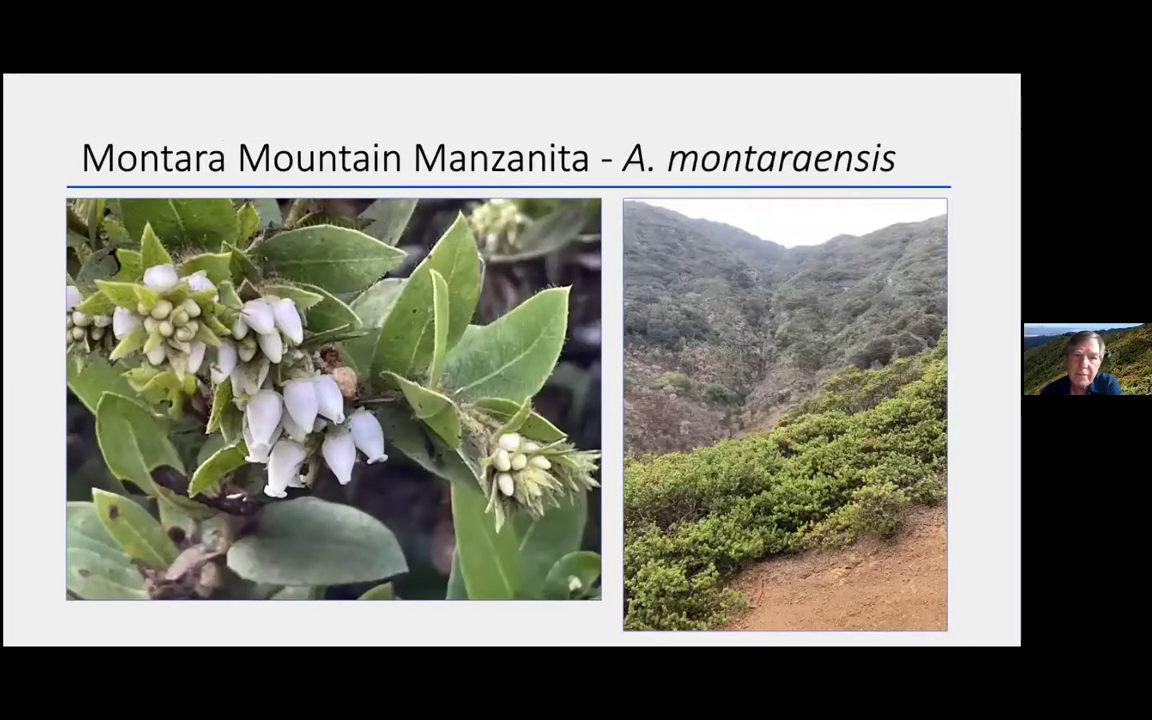
Evergreen shrub with dark reddish bark, but no burl at base of plant. Overlapping leaves clasp the stems and branchlets are glandular (sticky). Clusters of urn-shaped, white to pale pink flowers in late winter. 

Similar To

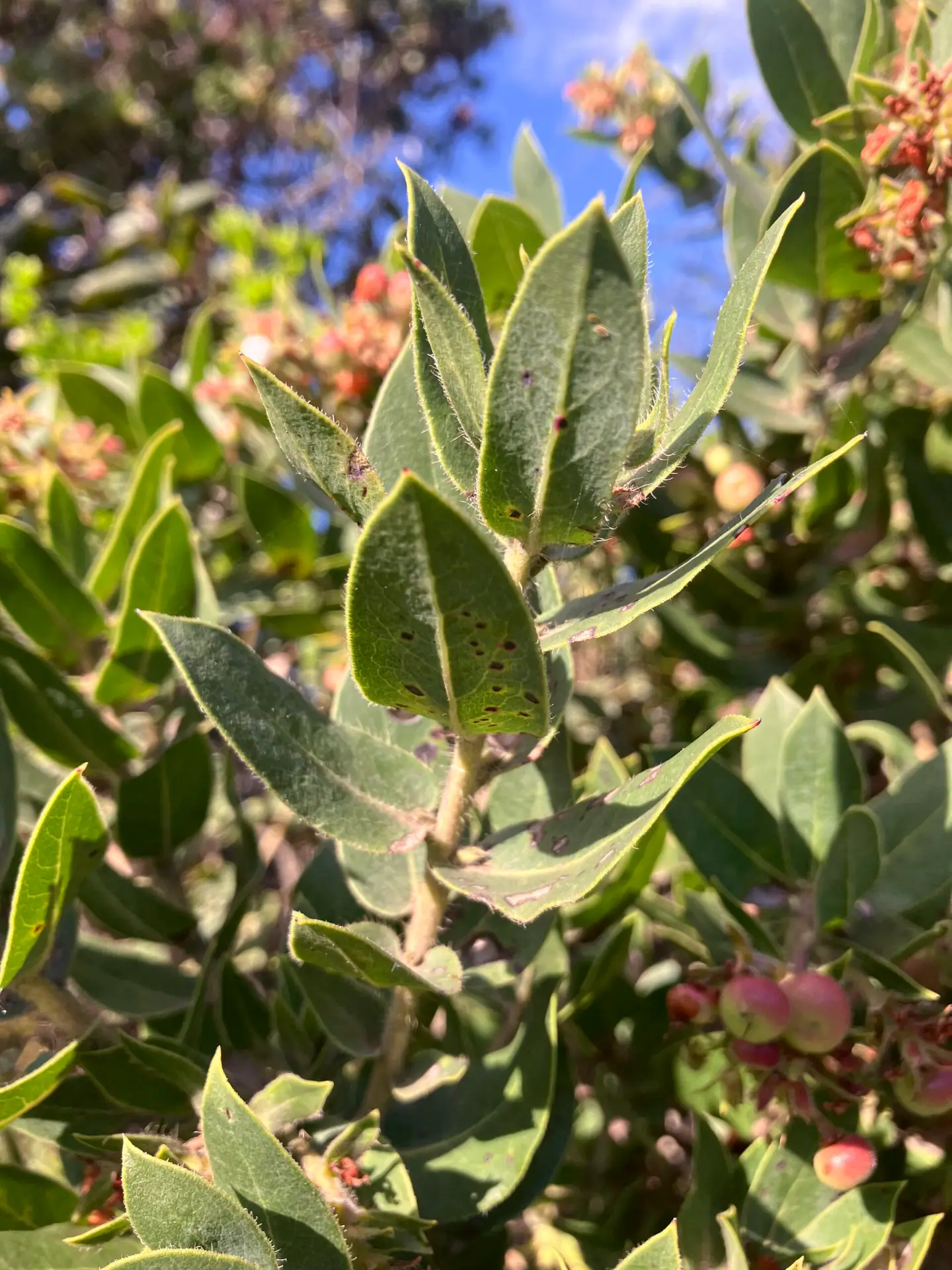
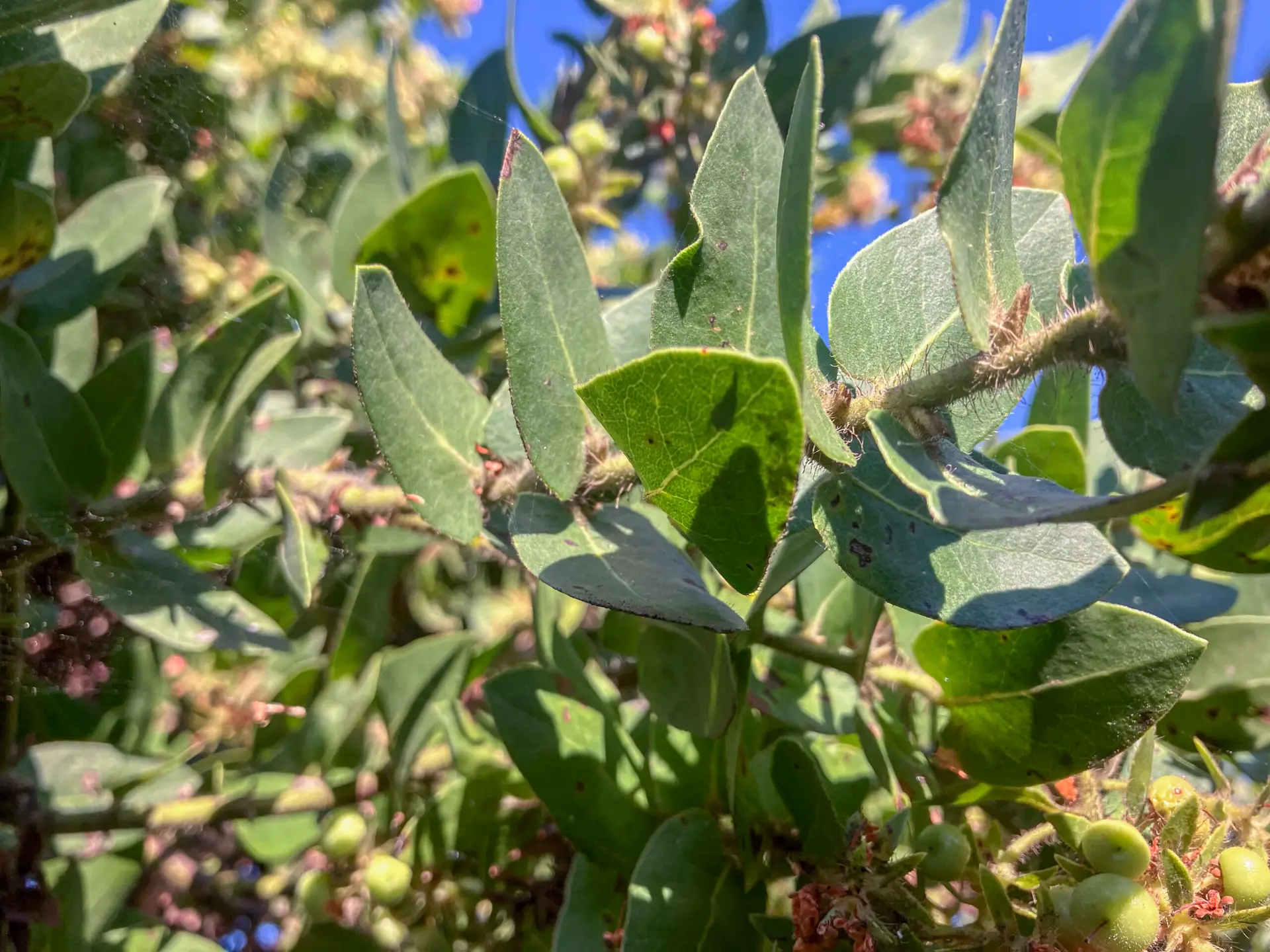
Brittleleaf Manzanita (Arctostaphylos crustacea ssp. crustacea). Brittleleaf Manzanita has a burl and leaves with stems. Montanra Manzanita has no burl, and clasping leaves (no stems).

Height / Size

Up to 16 feet tall and 8 feet wide.

Leaves

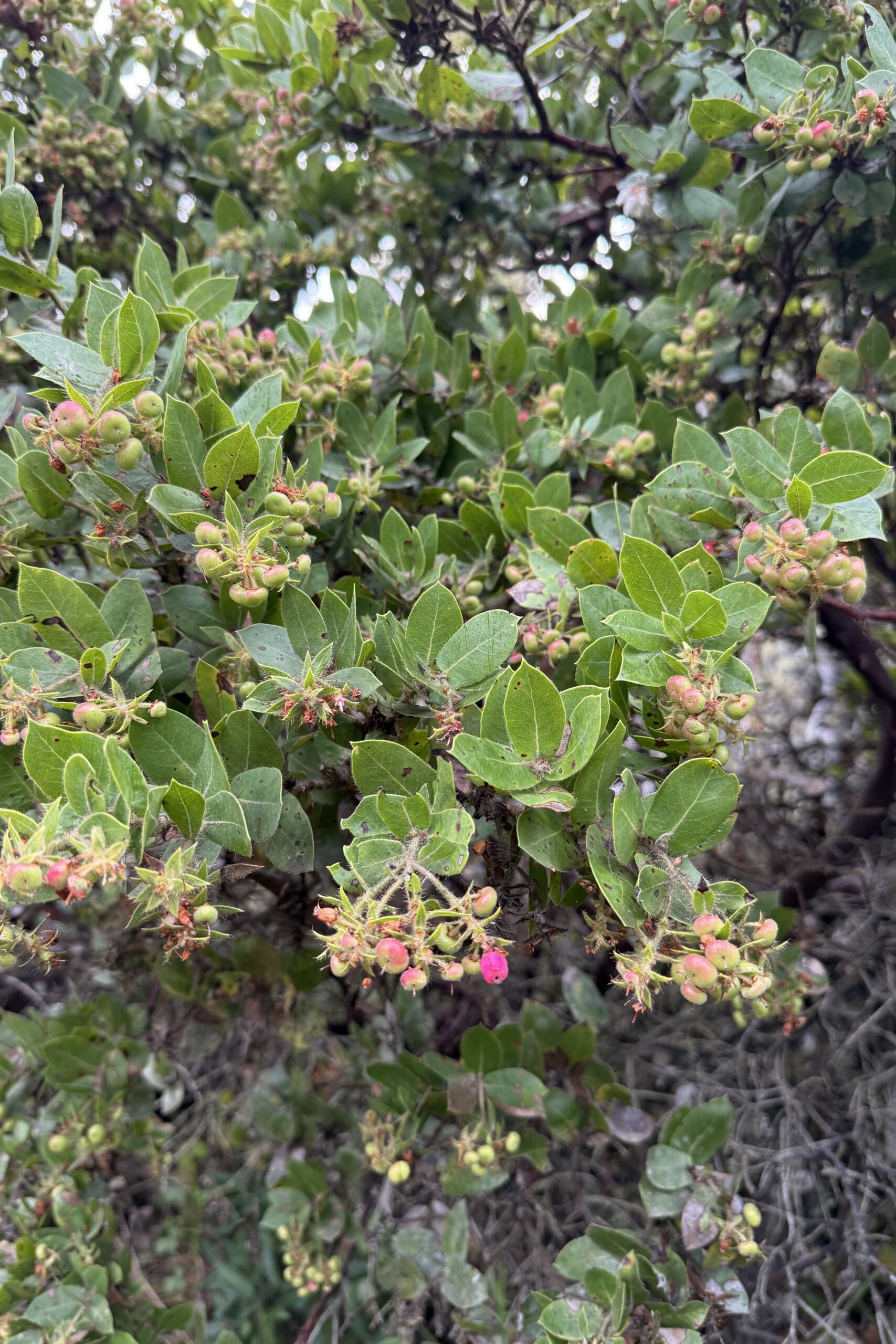
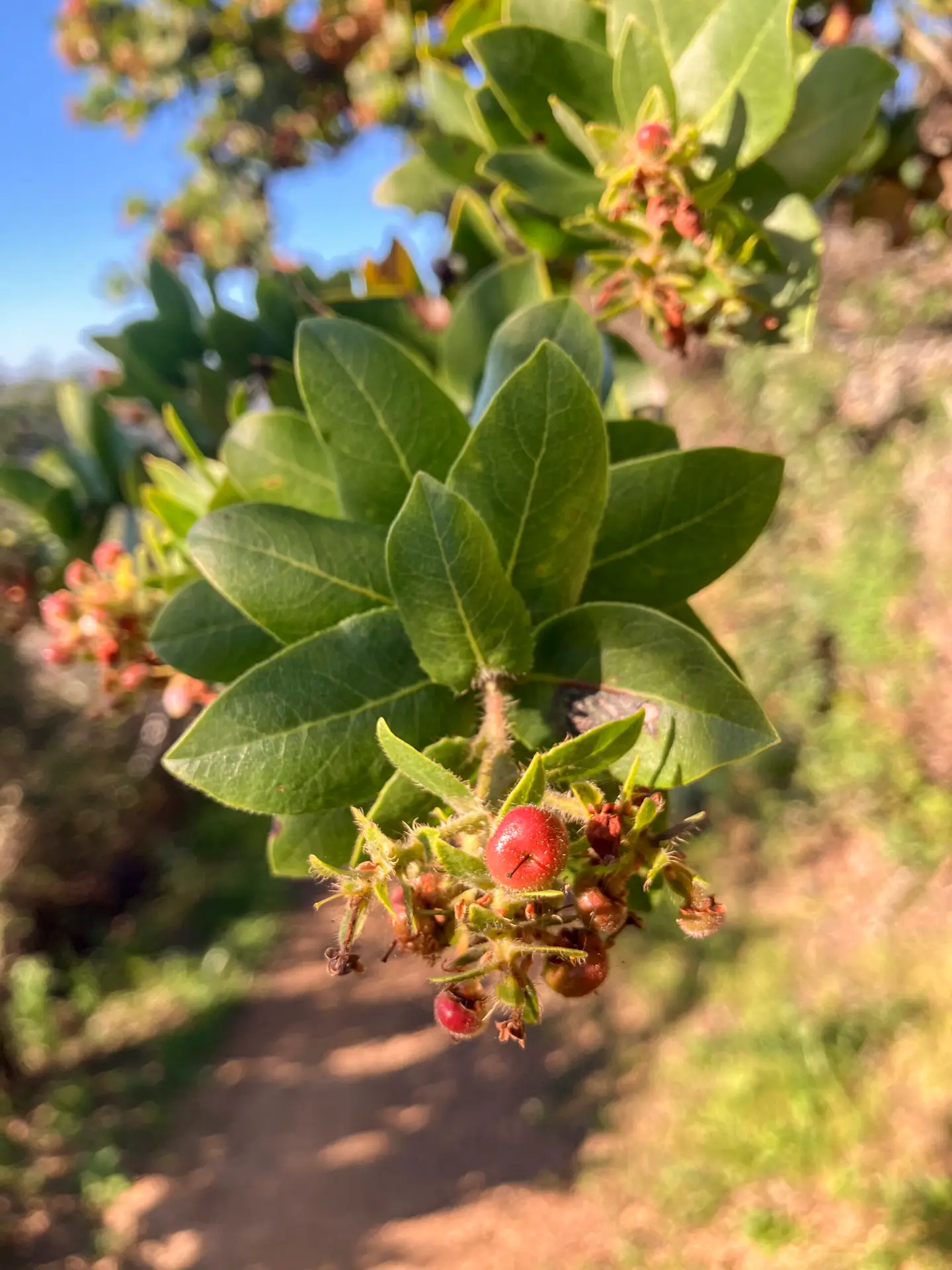
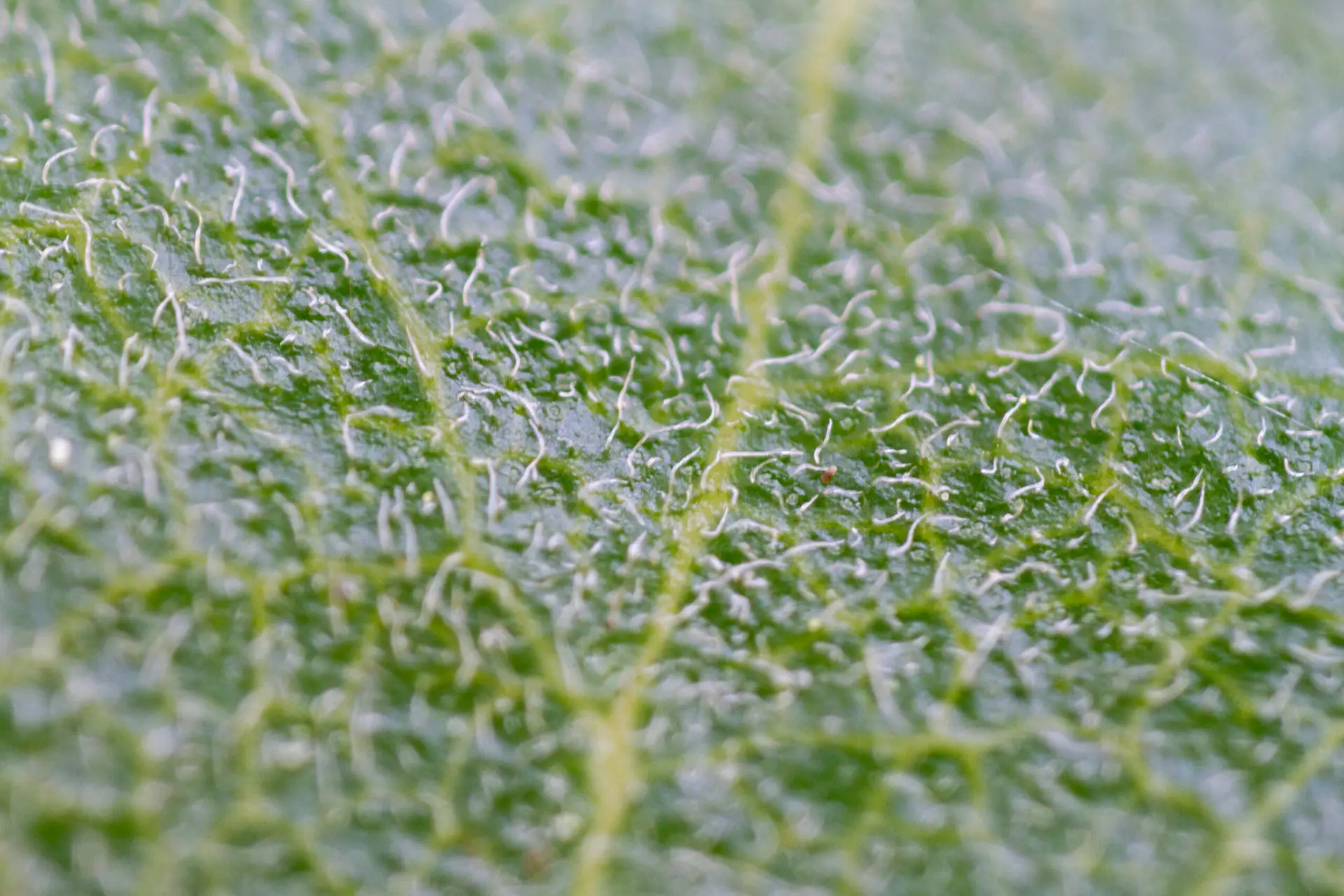
Bright green leaves come to a fine point. Base of the leaf is lobed and clasps the stem without a petiole (auriculate-clasping). Leaves overlap each other and are covered in fine hairs that are sparsely glandular (sticky).

Flower

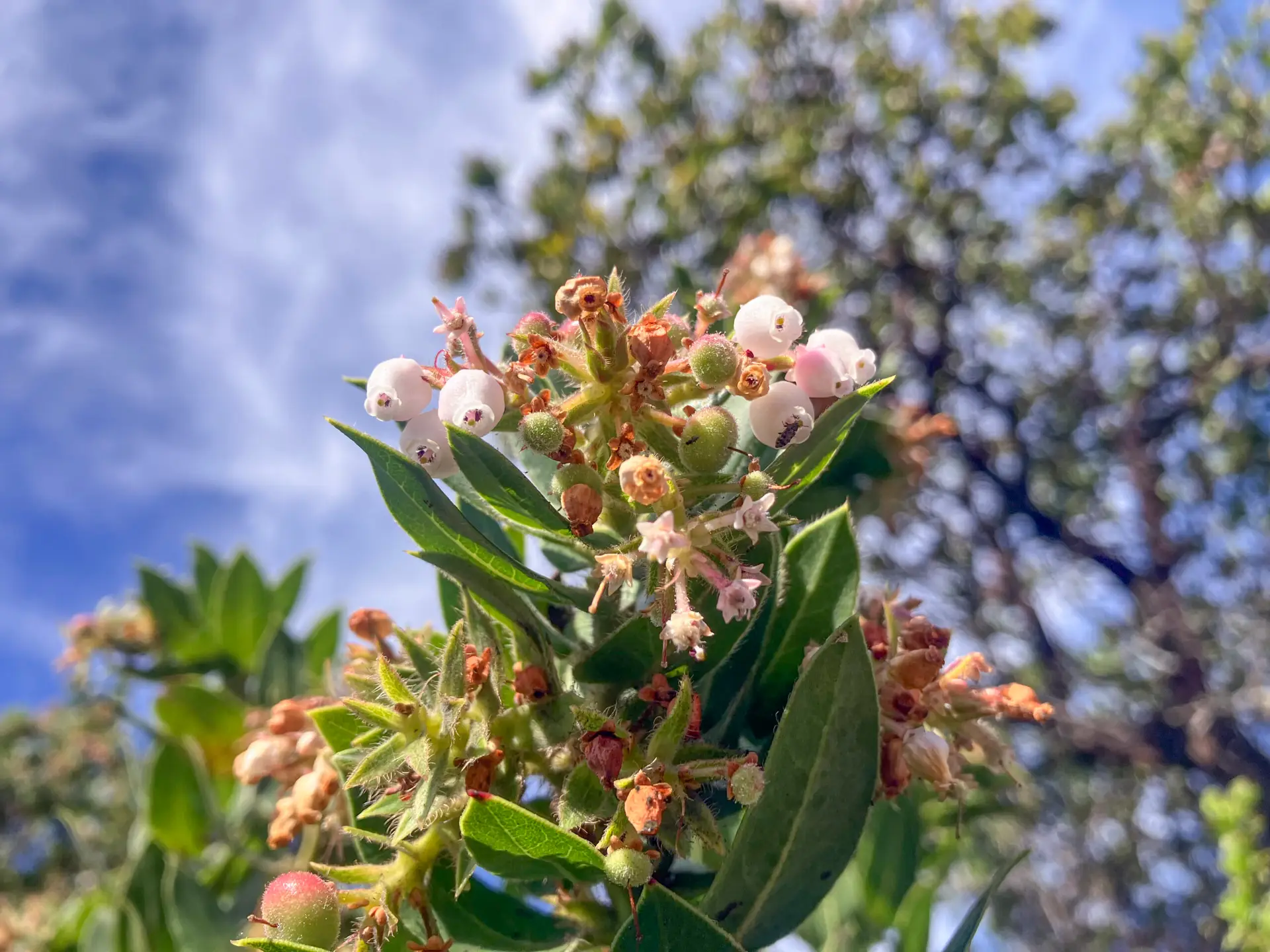
White to pale pink flowers hang in clusters. Flowers are hairy, cone urn- shaped (urceolate) with slightly lobed, flared openings that hang down.
Bloom Time: January to March

Fruit / Seed

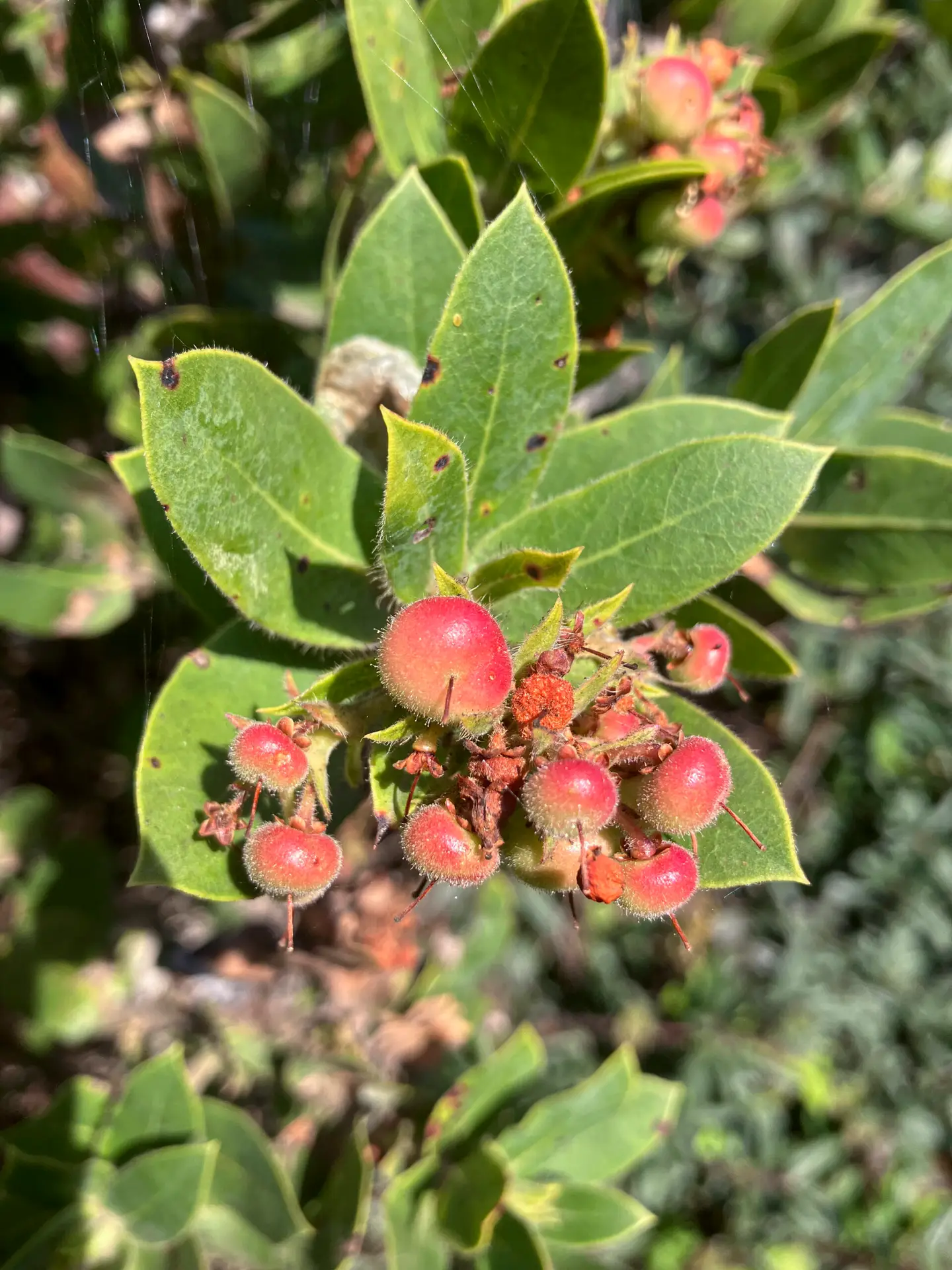
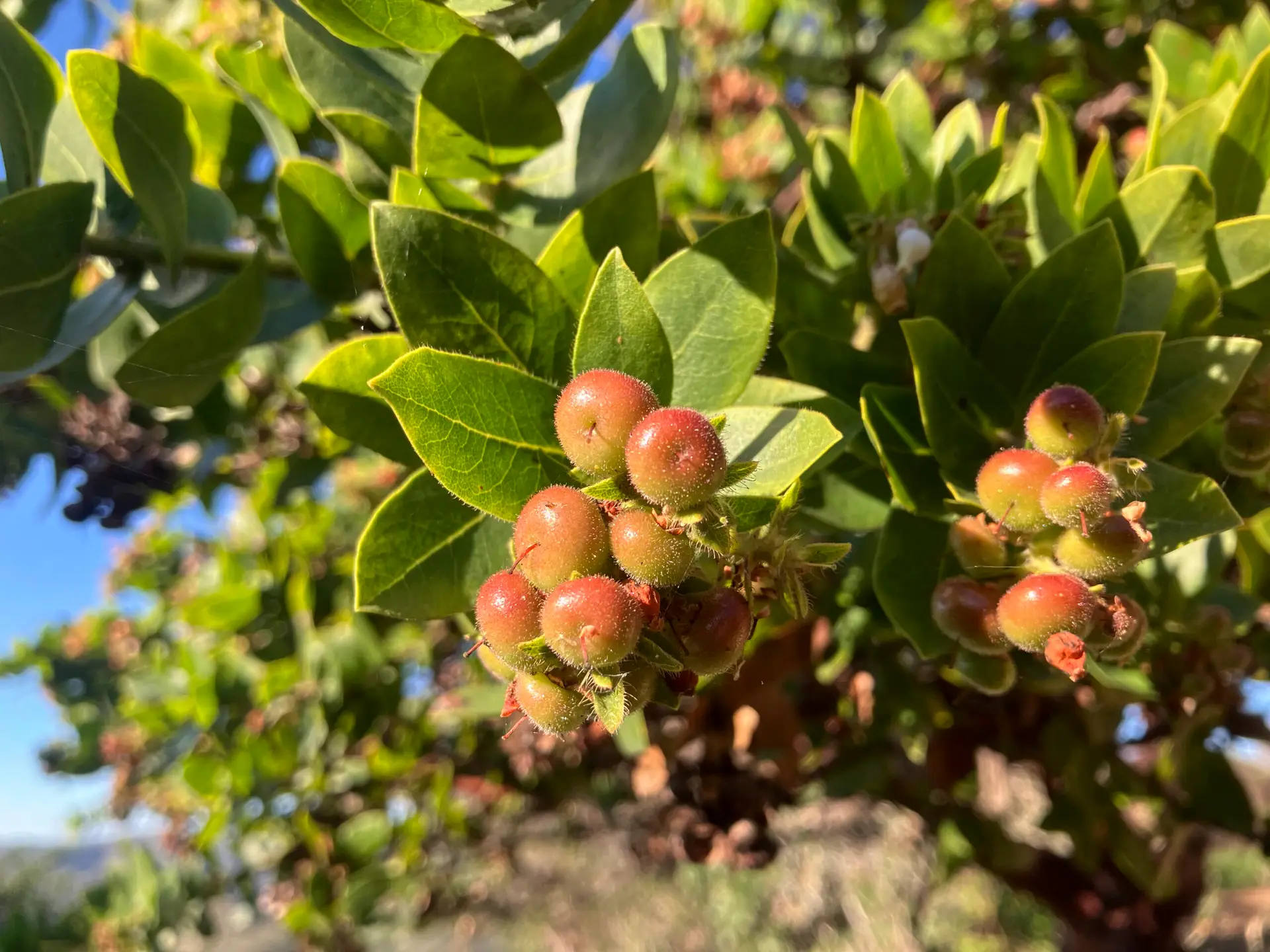
Fruit looks like little apples from green to bright red in color. Fruit is glandular-hairy, depressed-spheric in shape, with nutlets typically free (not fused) to occasionally separable.

Habitat

Granite, sandstone outcrops, Maritime Chaparral, Coastal Scrub.

Location / Range

Hazelnut Trail, Brooks Creek Trail and Montara Mountain Trail. The Montara Manzanita is one step away from extinction according to the CA Rare Plant Rank (CRPR) and only occurs in two places: Montara Mountain and San Bruno Mountain: the larger population occurring on Montara Mountain.

Typical Life Span

20 to 30 years

Fascinating / Fun Facts

Manzanita in Spanish means “little apple” which comes from the plants small apple like fruits. The dense fog layer of Maritime Chaparral provides water via fog drip, during the dry summer season that provides a buffer against heat stress during the hottest time of the year.

Read More

Status

Global: G1 – Critically Imperiled
Federal: No protection
State: No protection
CNPS Rare Plant Rank: 🔴 1B.2 (rare, threatened, or endangered) 🔴

The Montara Manzanita is one step away from extinction according to the CA Rare Plant Rank (CRPR) and only occurs in two places: Montara Mountain and San Bruno Mountain. The larger population occurring on Montara Mountain.

Nature Talks:

The Beauty & Complexity of Evolution: A focus on Arctostaphylos & its Relatives | Speaker: Dr. Tom Parker

January’s program brings the eminent Dr. Tom Parker to begin our 2021 life sciences series to discuss manzanitas and their relatives with an emphasis on...
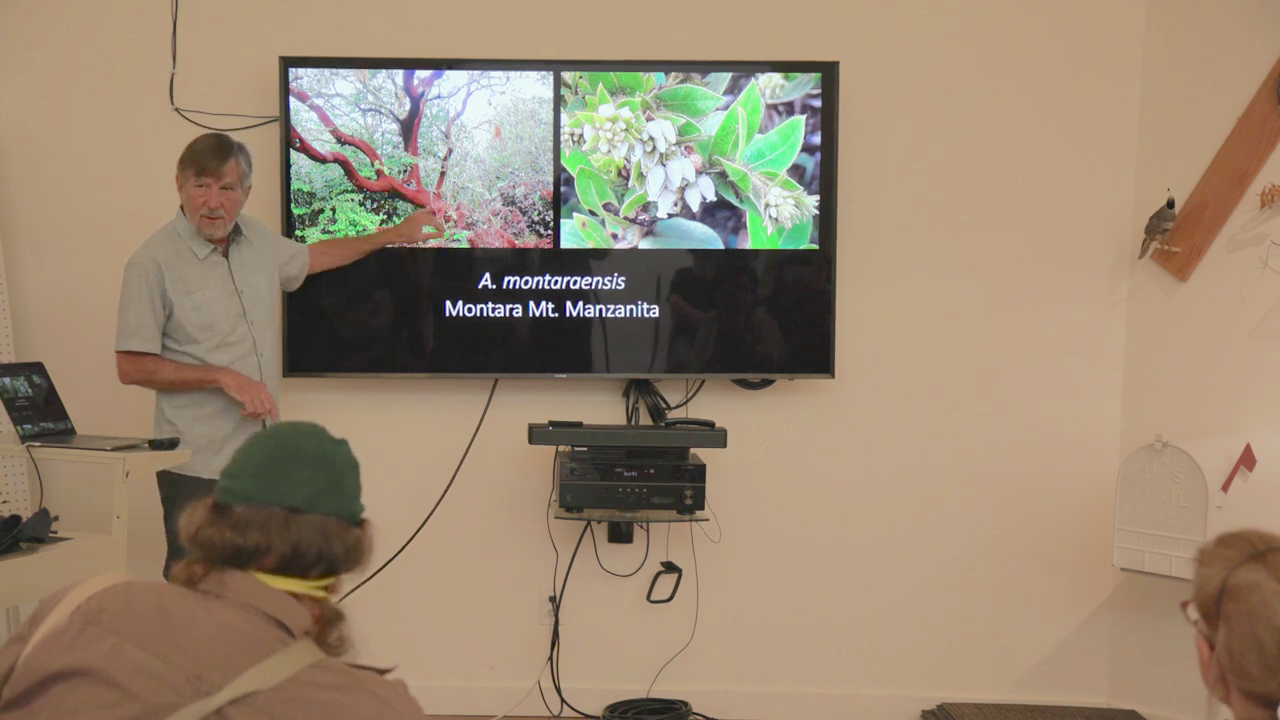
Manzanitas as a whole ecosystem; their place in the ecology of California | Speaker: Tom Parker

The Friends of San Pedro Valley Park welcomed back Tom Parker, Professor of Biology, Emeritus, San Francisco State University for his presentation...
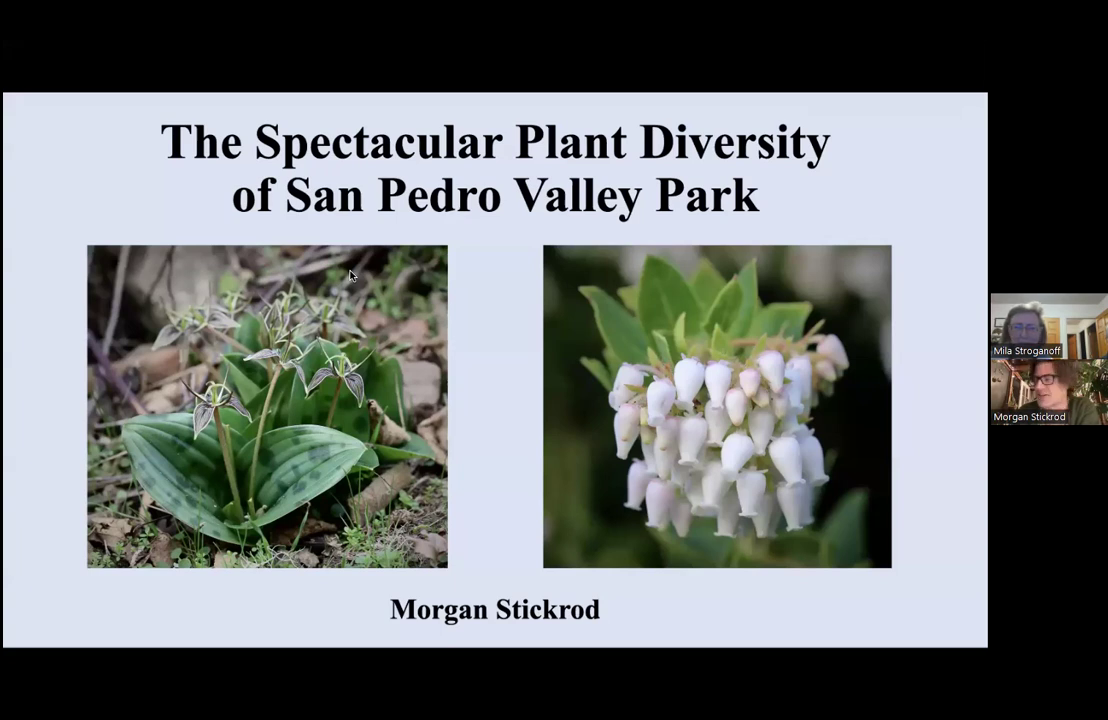
The Spectacular Plant Diversity of San Pedro Valley Park – Morgan Stickrod

The Friends of San Pedro Valley Park welcomed Morgan Stickrod, a botanist and plant ecologist with over 10 years of experience doing research and field...
Sources:

Calflora
Calscape
Kauffmann, Michael, et al. Field Guide to Manzanitas : California, North America and Mexico. Kneeland, Calif., Backcountry Press, 2015.
Greg.app
iNaturalist
Jepson eFlora
VanderWerf, Barbara. 1994. Montara Mountain. Gum Tree Lane Books, El Granada, CA
PlantID.net for San Pedro Valley CP (NRDB.org)
Spanishdict.com