
Brittleleaf Manzanita

Arctostaphylos crustacea ssp. crustacea

Heath Family (Ericaceae)

Native

Key Identifying Characteristics

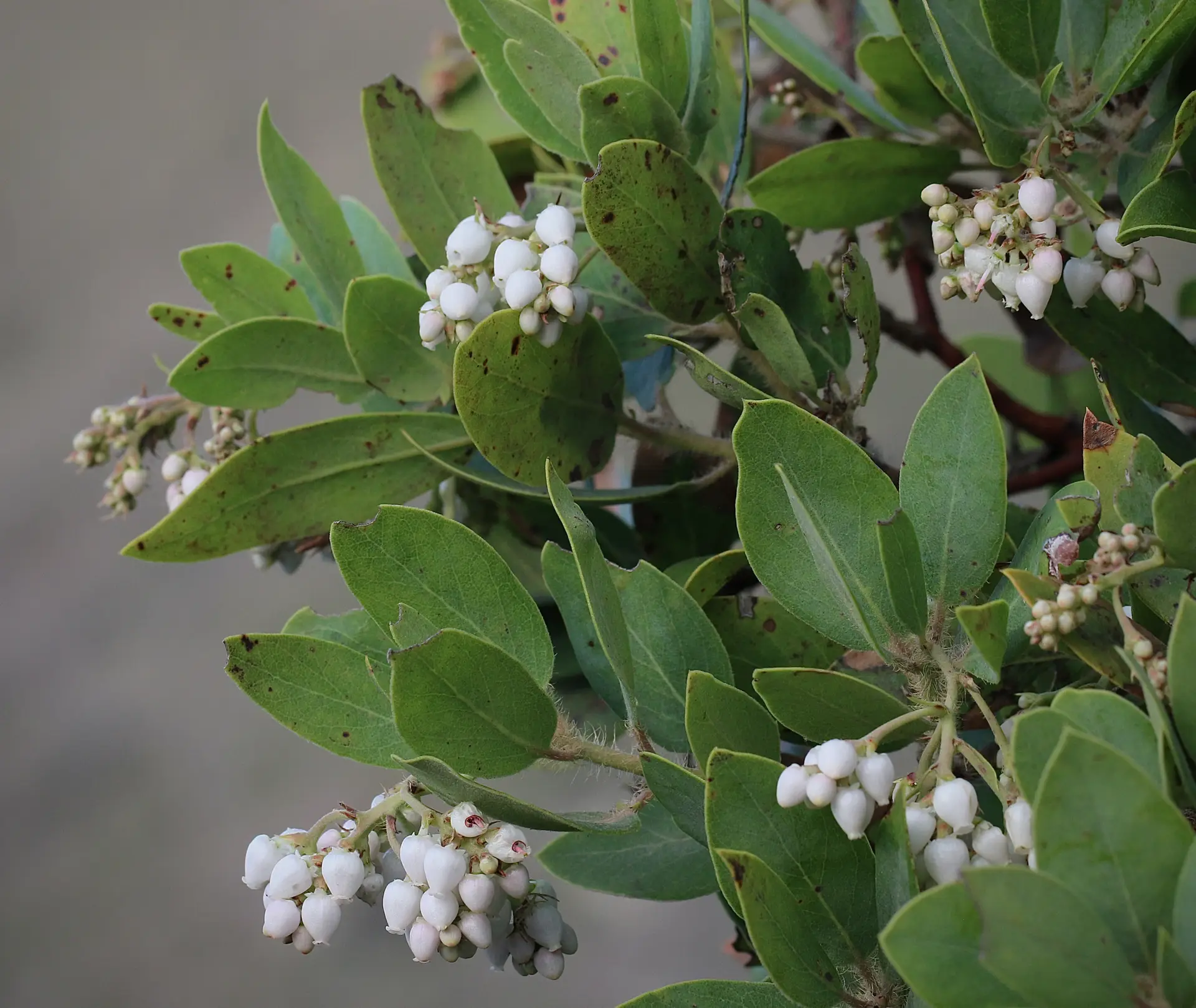
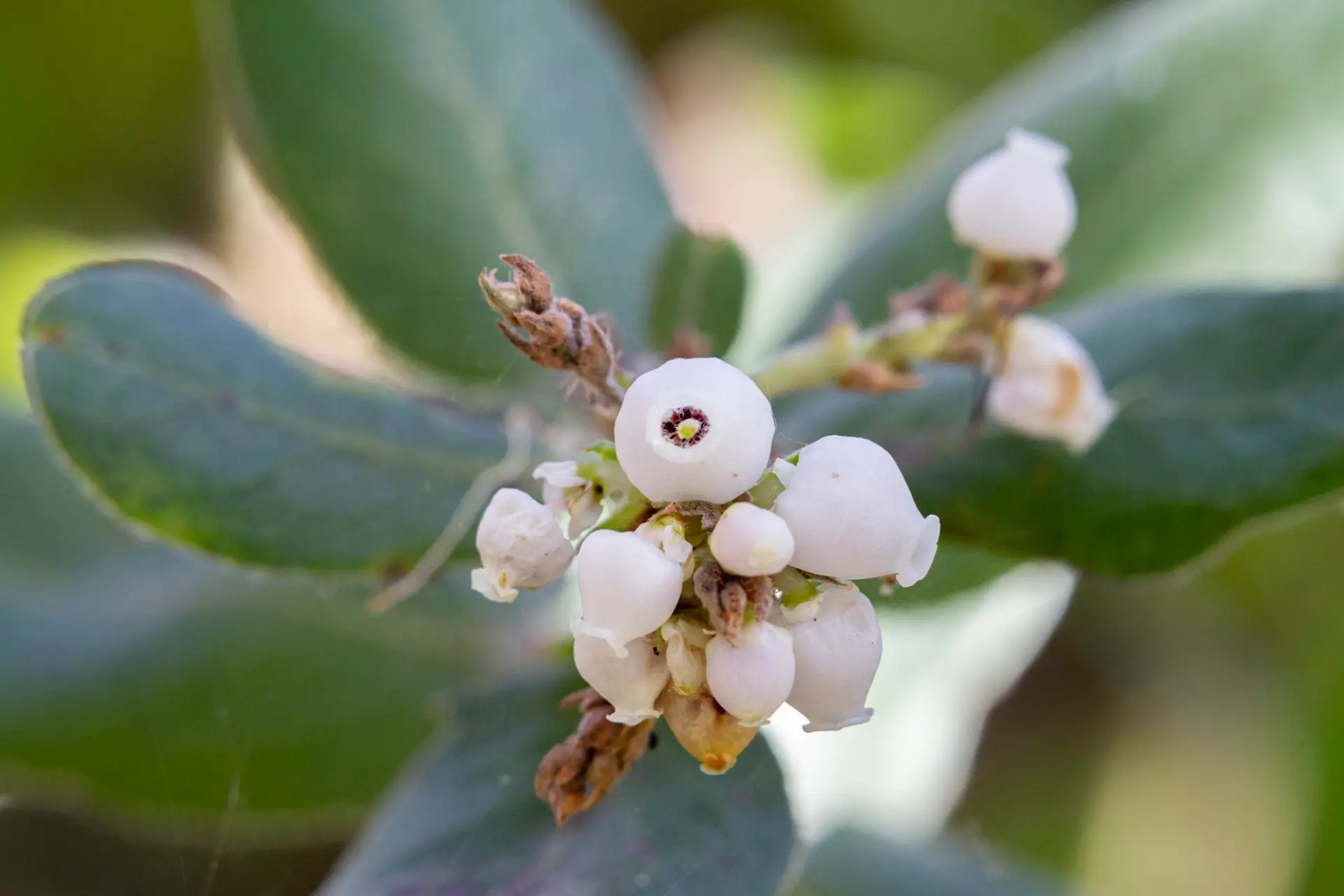
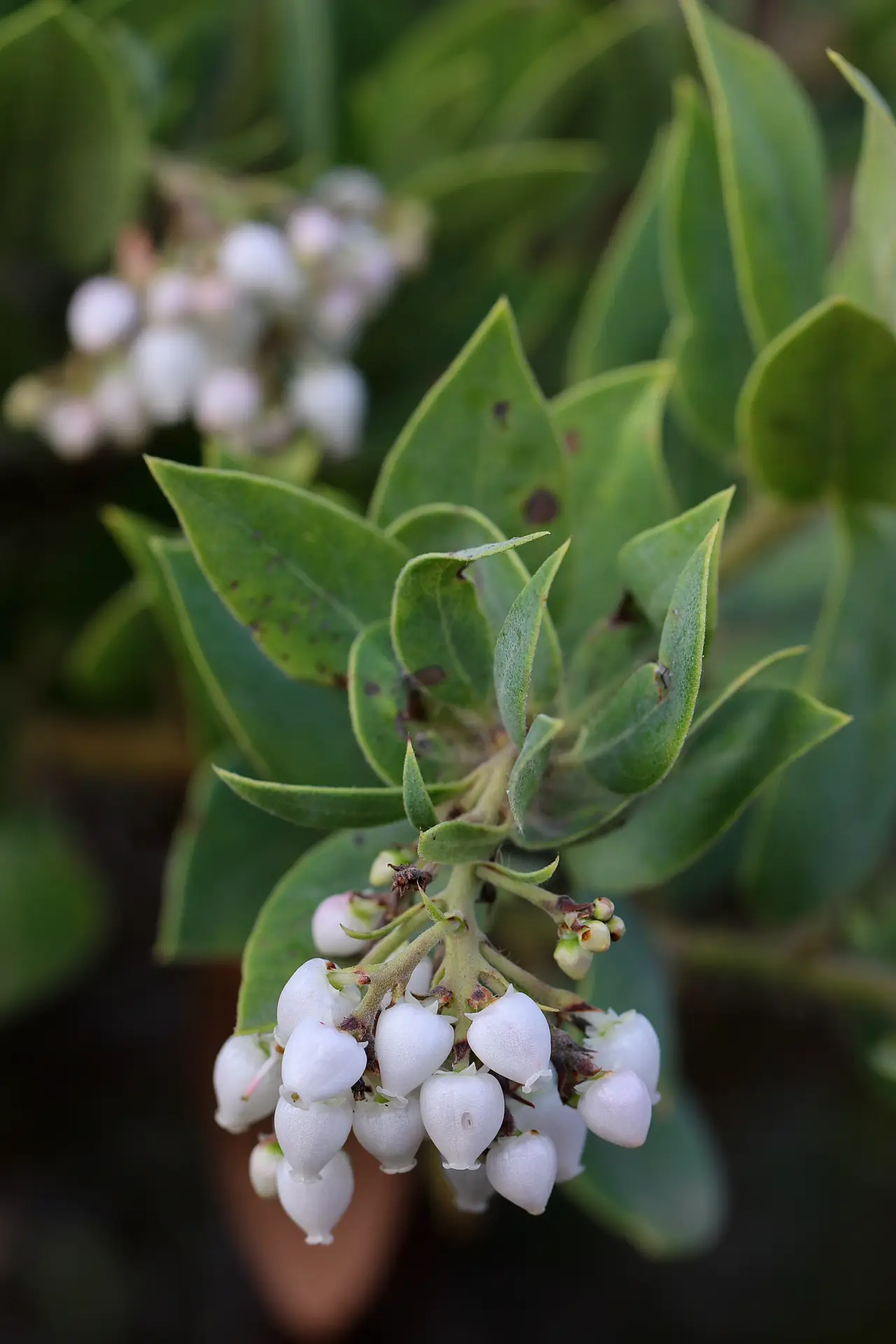
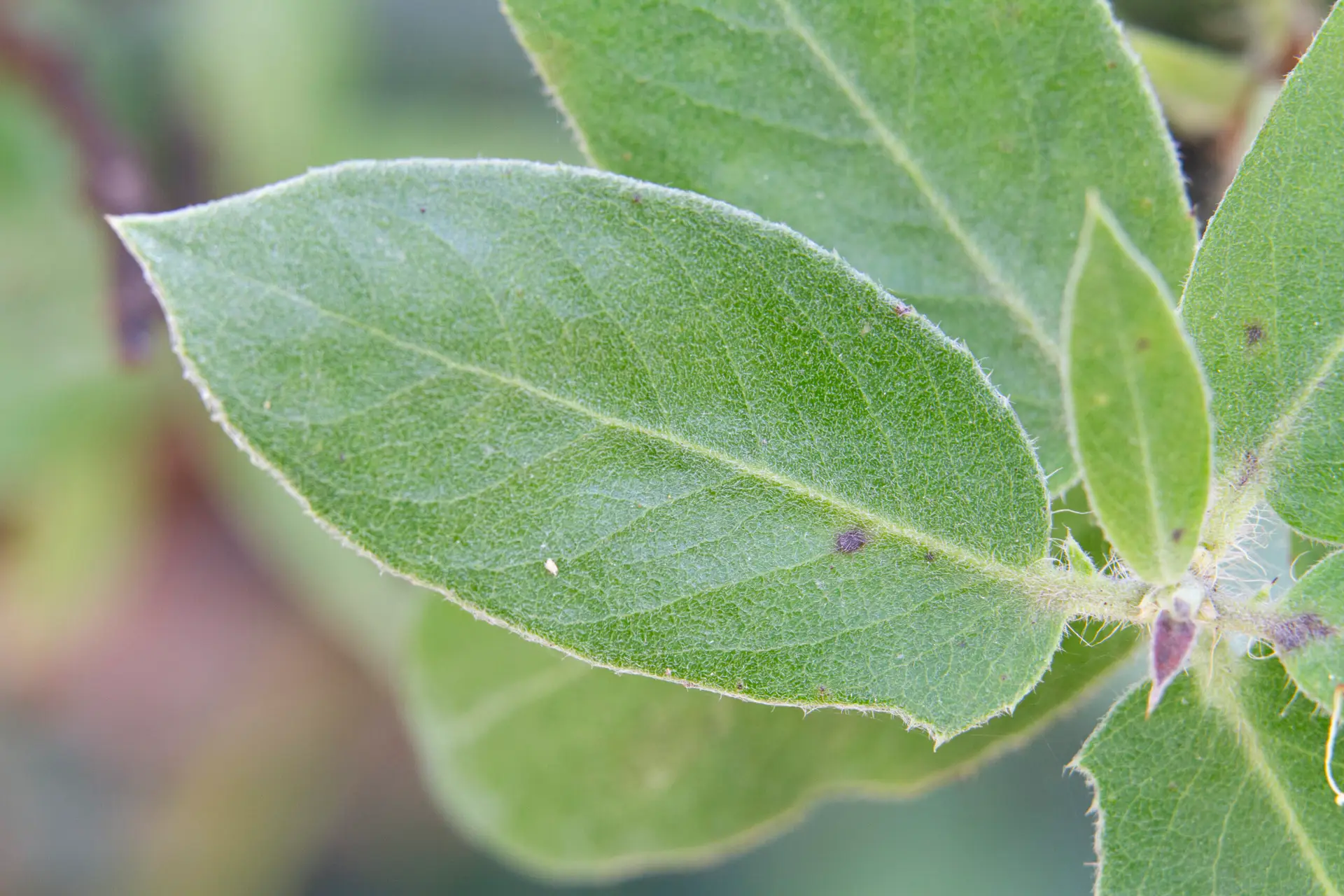
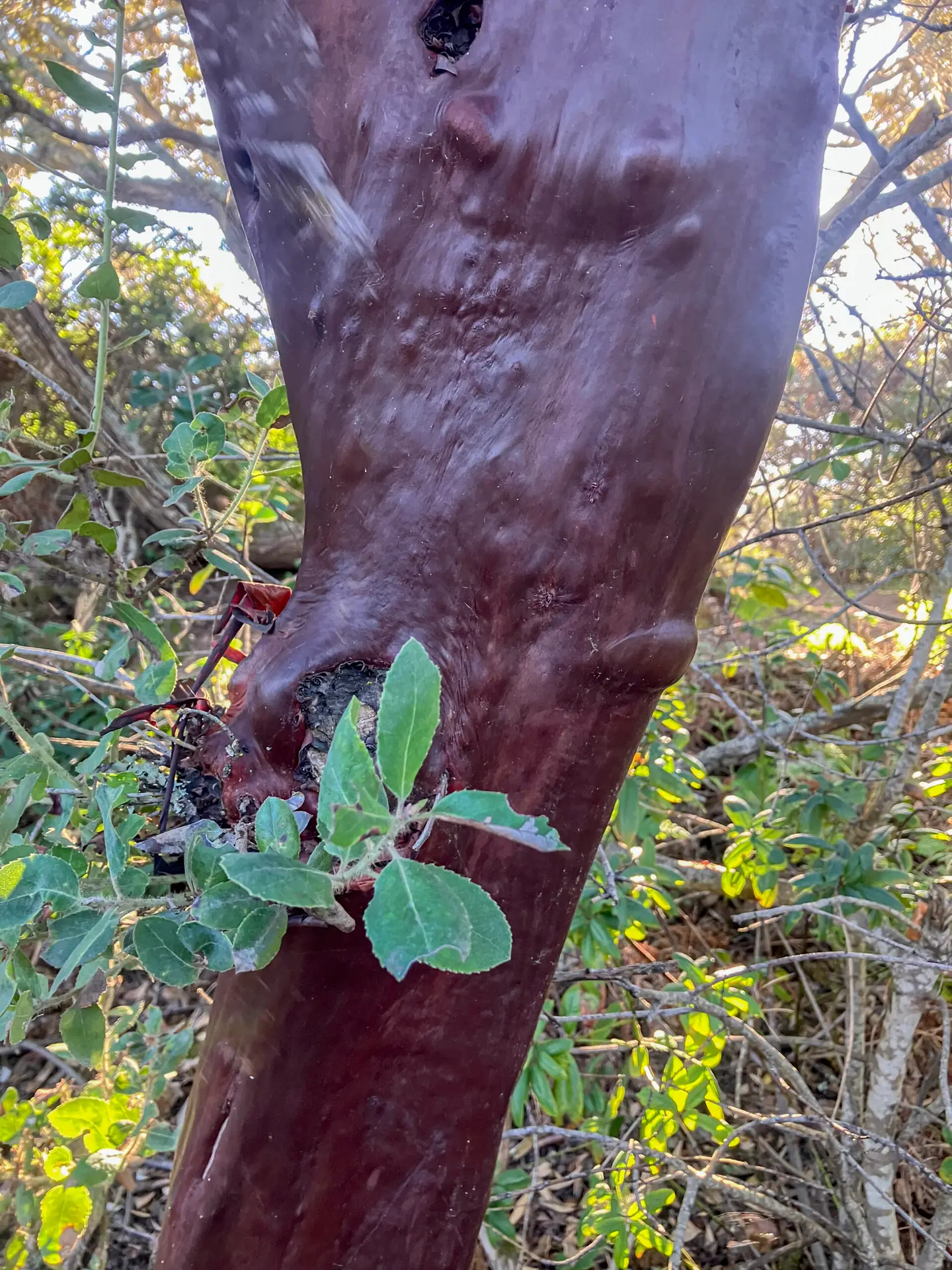
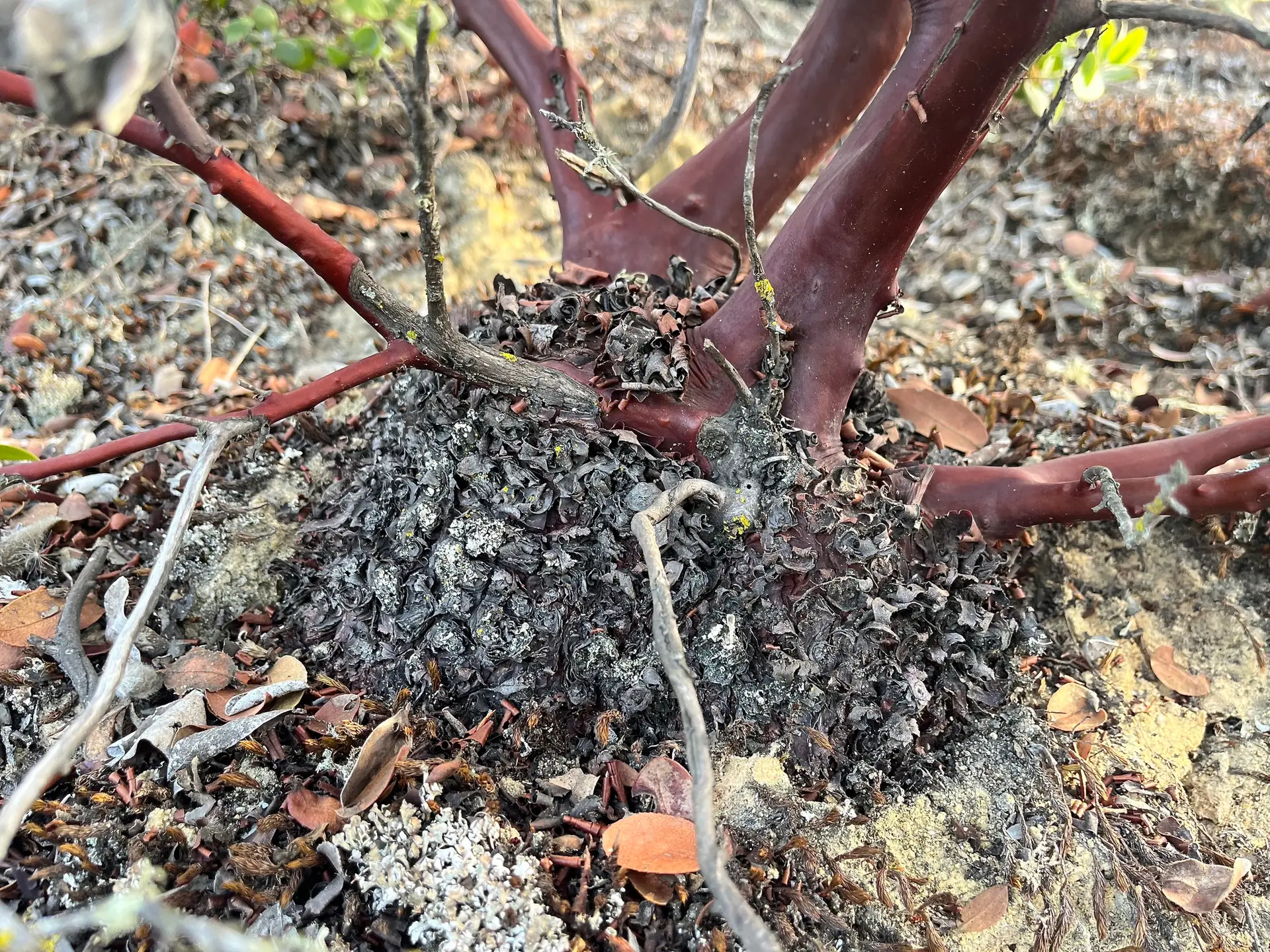
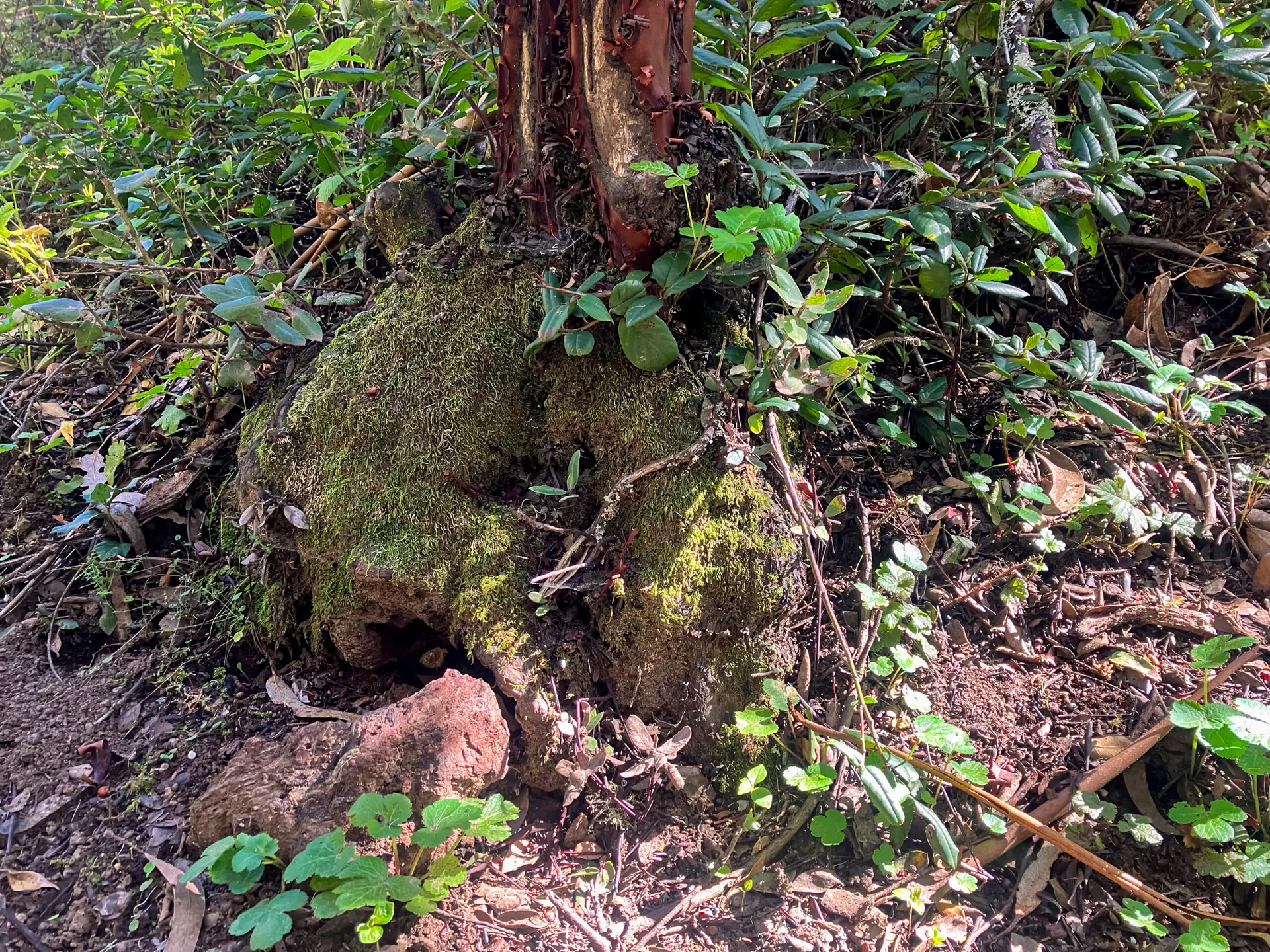
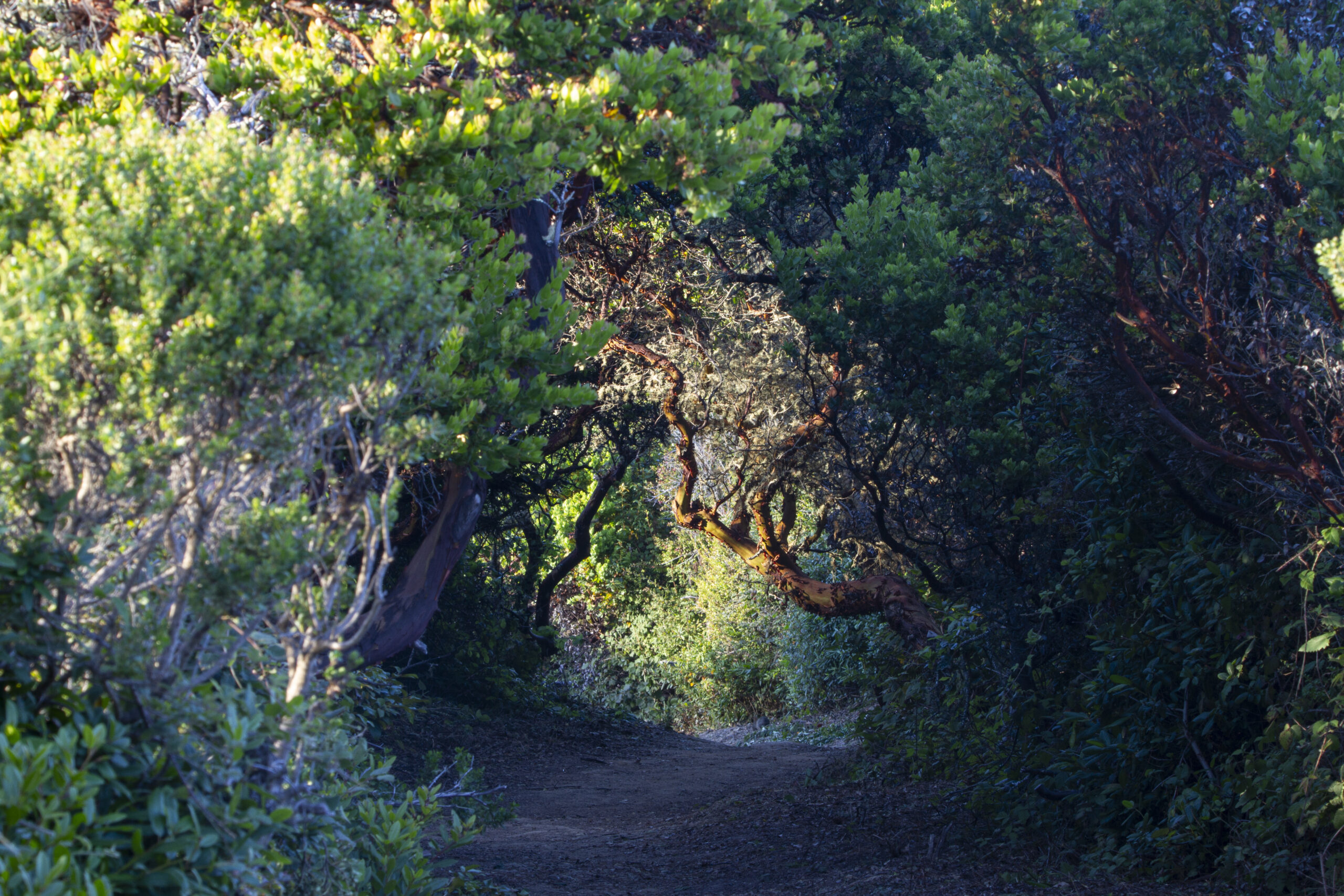
Evergreen shrub with dark reddish bark and a burl at the base. Leaves have stems (petioles) and are hairy but not sticky. White to pink urn-shaped flowers in winter/spring.

Similar To

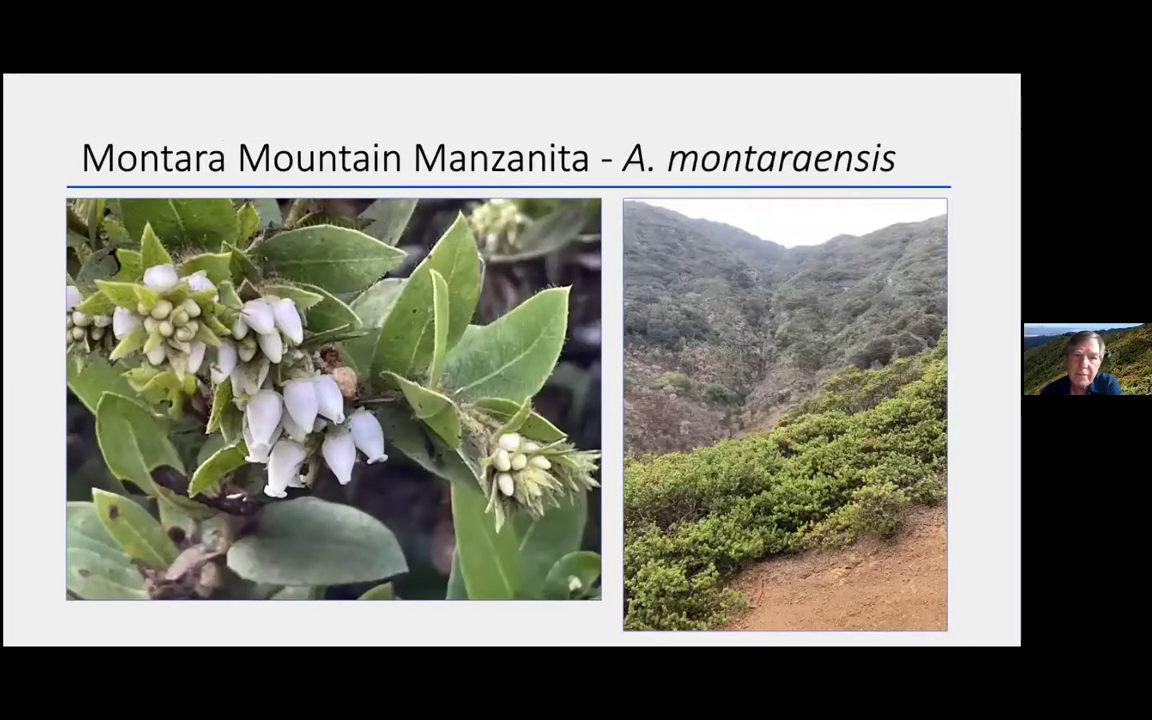
Montara Manzanita (Arctostaphylos montaraensis)

Brittleleaf Manzanita has a burl and leaves with stems. Montara Manzanita has no burl, and clasping leaves (no stems).

Height / Size

Up to 10 feet tall and 8 feet wide.

Leaves

Alternating leaves are oval to lance-shaped and sometimes toothed. Top side of leaf is usually darker and smoother than the underside of the leaf. The underside of the leaf is usually more dull. The leaf has a stem (petiolate).
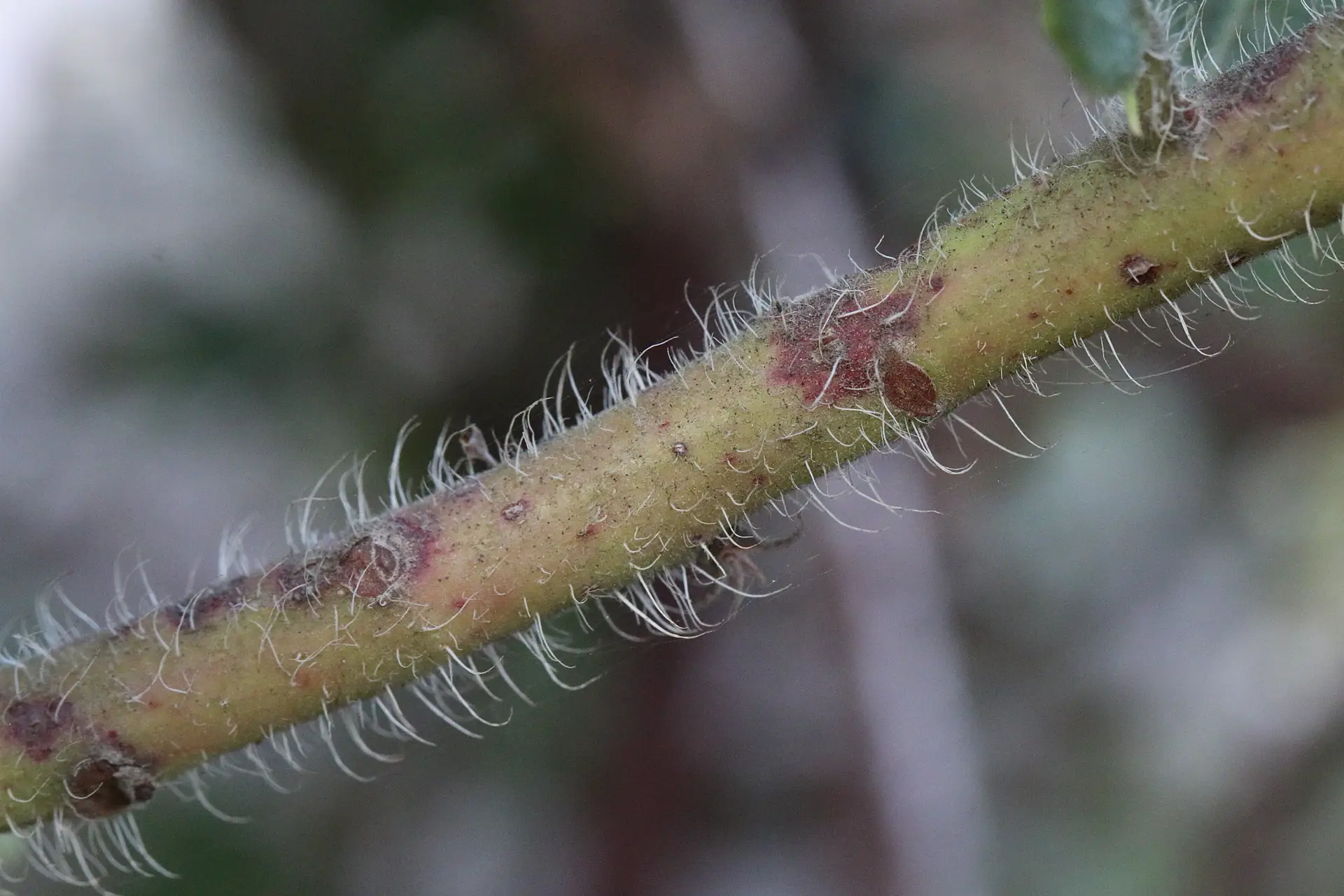
The stems and branchlets are setose – have erect hairs that are long and bristly but not sticky (non-glandular).

Flower

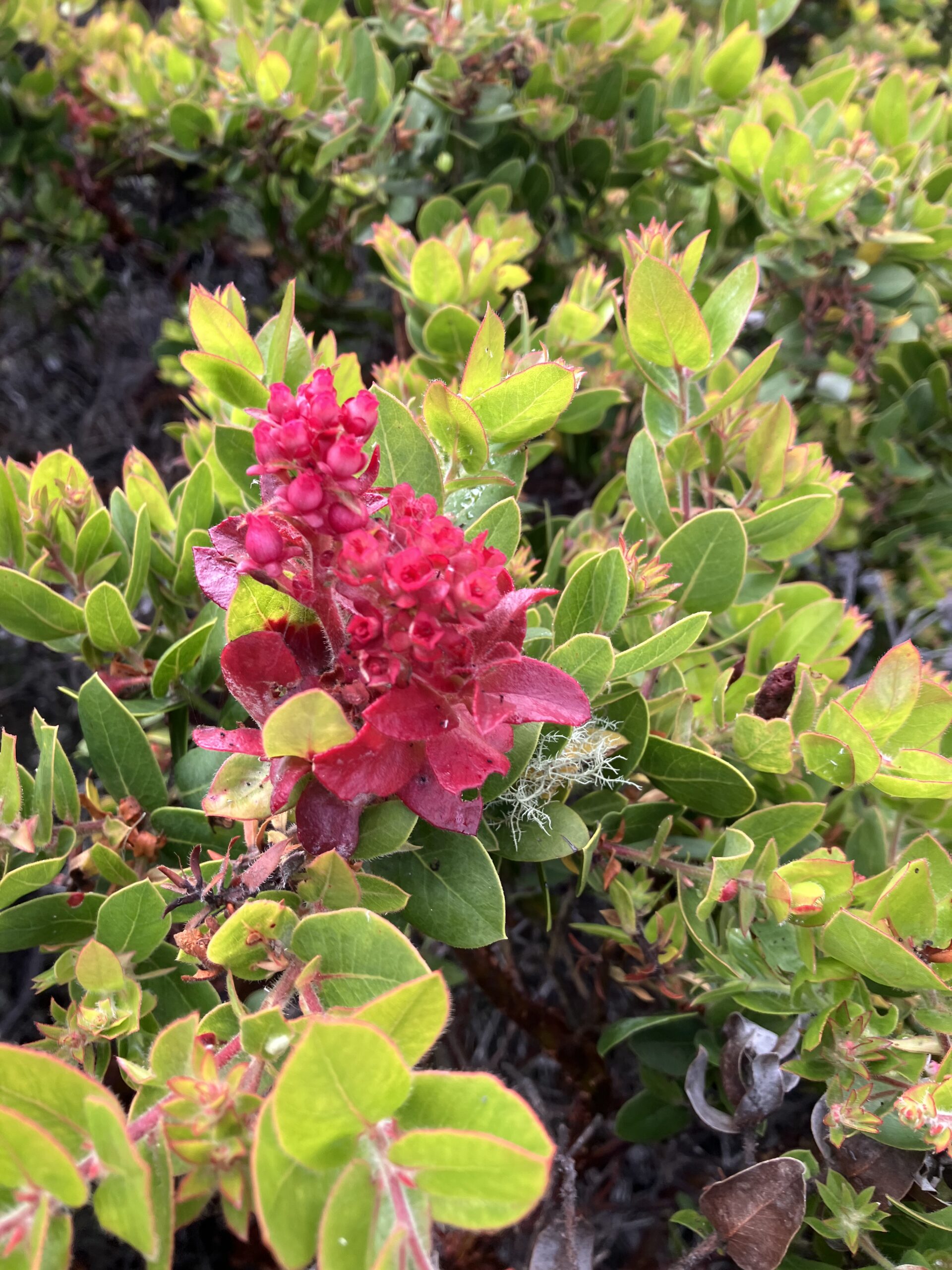
Flowers are urn-shaped, white to pink and may be hairy. Tiny flowers occur in big bunches that hang down. Ovary glabrous to short-hairy, generally nonglandular. Fruit are depressed-spheric in shape, sparsely non-glandular hairy (becoming glabrous in age), and the nutlets are typically free (not fused) but occasionally variously fused to separable.
Bloom Time: January to April

Fruit / Seed

Fruits look like little apples from green to bright red. Hairless surface (glabrous) to fuzzy.

Habitat

Chaparral, conifer forest

Location / Range

Brooks Creek Trail, Hazelnut Trail, Montara Mountain Trail, and Old Trout Farm Loop Trail. Endemic to California, fairly close to the coast, from SF Bay Area to Santa Barbara county, including Channel Islands.

Typical Life Span

20 to 50 years.

Fascinating / Fun Facts

Manzanita in Spanish means “little apple” which comes from the plant’s small apple-like fruits.

Read More

Nature Talks:

The Beauty & Complexity of Evolution: A focus on Arctostaphylos & its Relatives | Speaker: Dr. Tom Parker

January’s program brings the eminent Dr. Tom Parker to begin our 2021 life sciences series to discuss manzanitas and their relatives with an emphasis on...
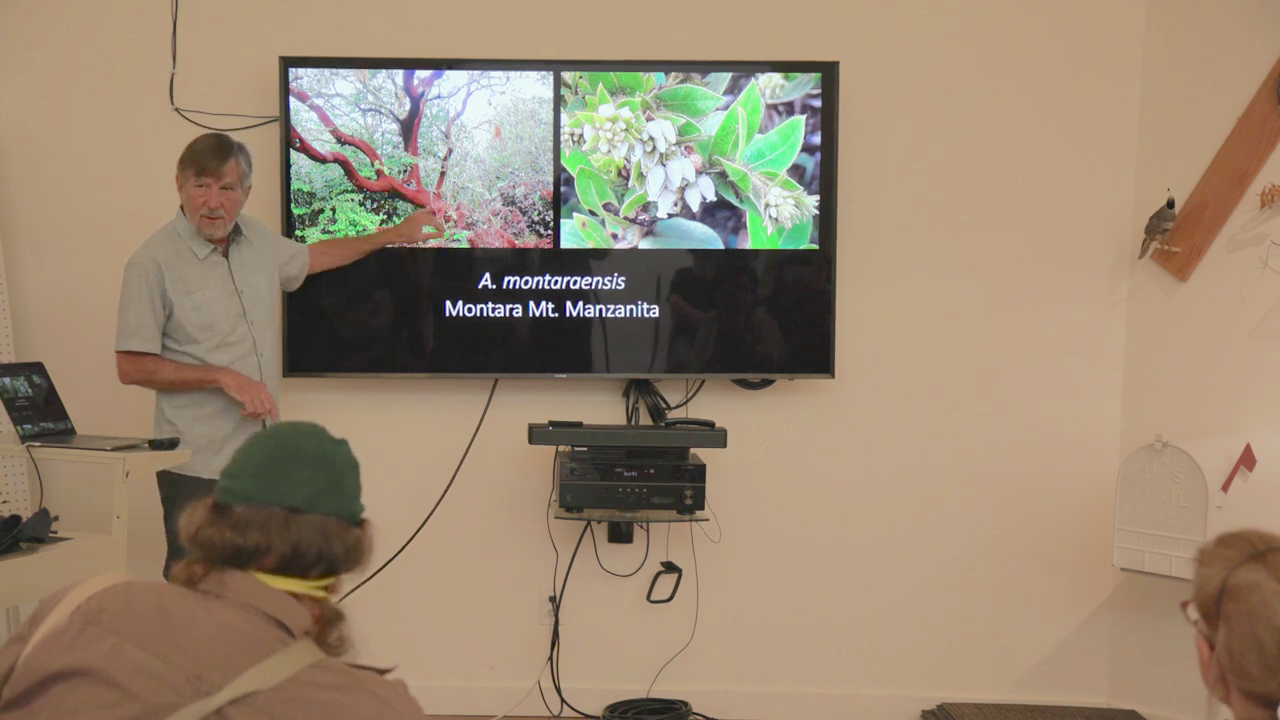
Manzanitas as a whole ecosystem; their place in the ecology of California | Speaker: Tom Parker

The Friends of San Pedro Valley Park welcomed back Tom Parker, Professor of Biology, Emeritus, San Francisco State University for his presentation...
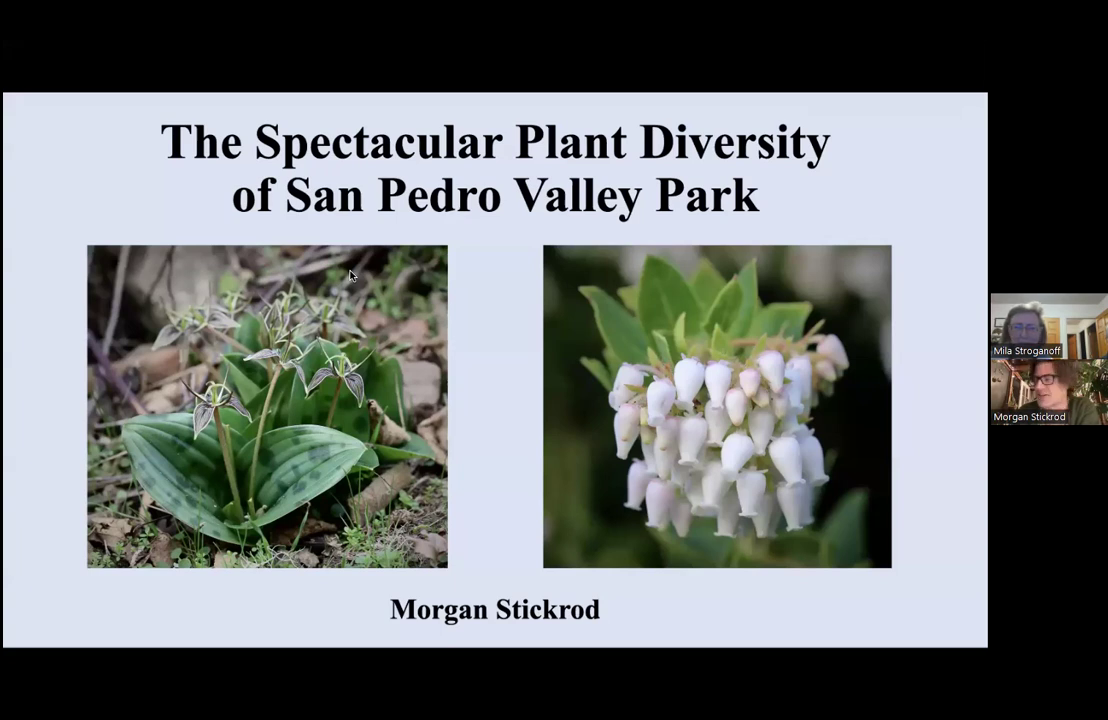
The Spectacular Plant Diversity of San Pedro Valley Park – Morgan Stickrod

The Friends of San Pedro Valley Park welcomed Morgan Stickrod, a botanist and plant ecologist with over 10 years of experience doing research and field...
Sources:

Calflora
Calscape
Kauffmann, Michael, et al. Field Guide to Manzanitas : California, North America and Mexico. Kneeland, Calif., Backcountry Press, 2015.
iNaturalist
Jepson eFlora
VanderWerf, Barbara. 1994. Montara Mountain. Gum Tree Lane Books, El Granada, CA
PacificHorticulture.org
PlantID.net for San Pedro Valley CP (NRDB.org)
Spanishdict.com