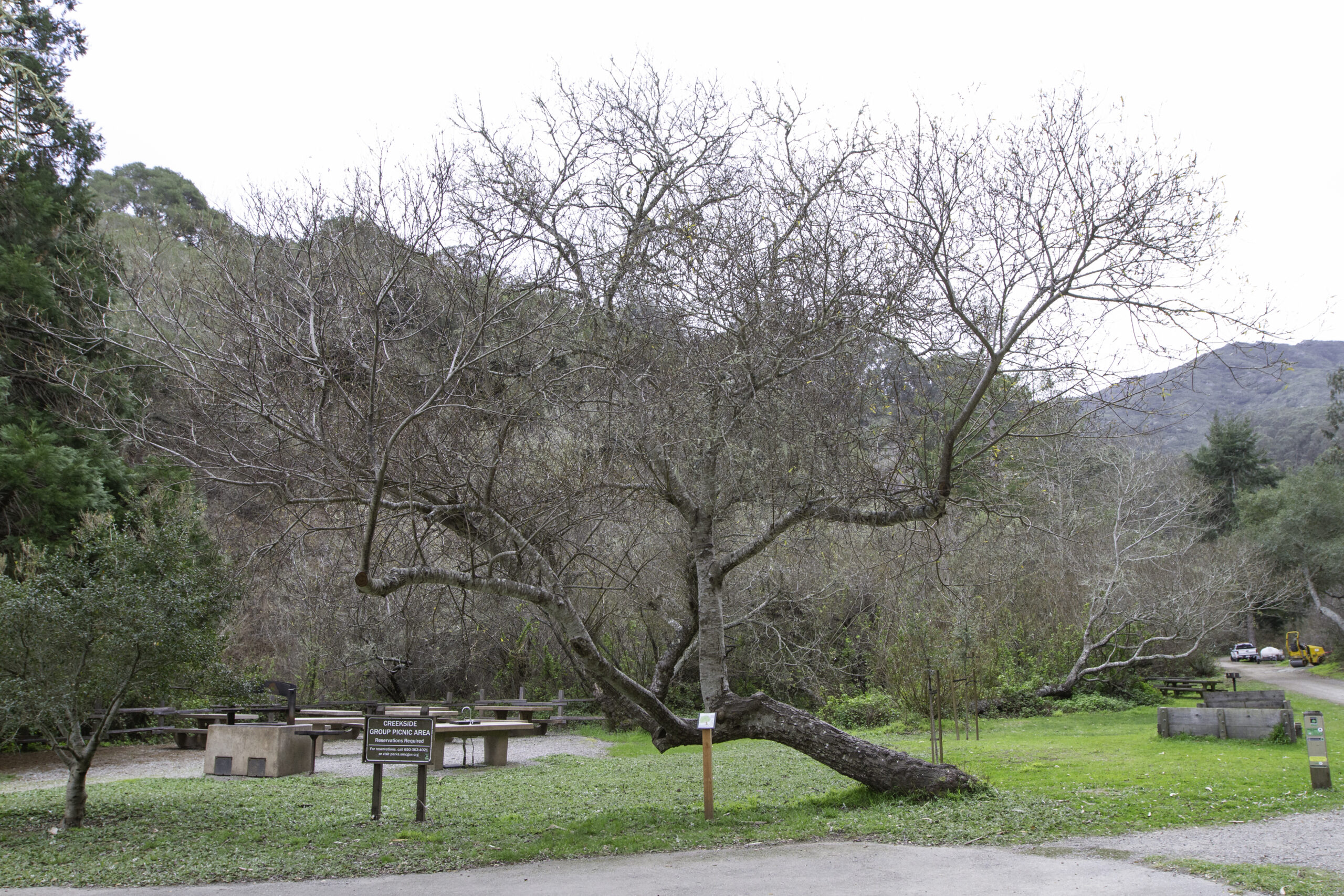
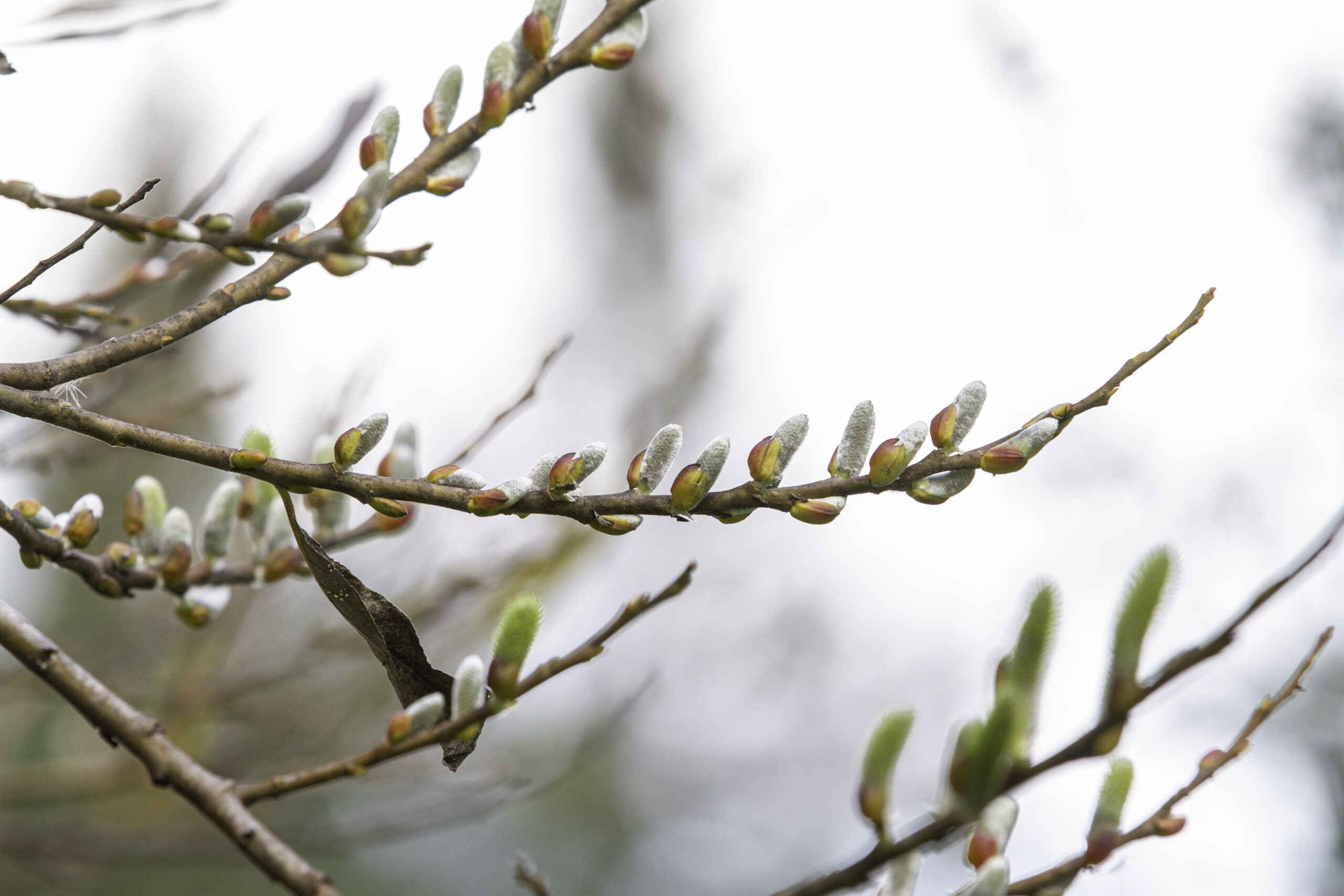
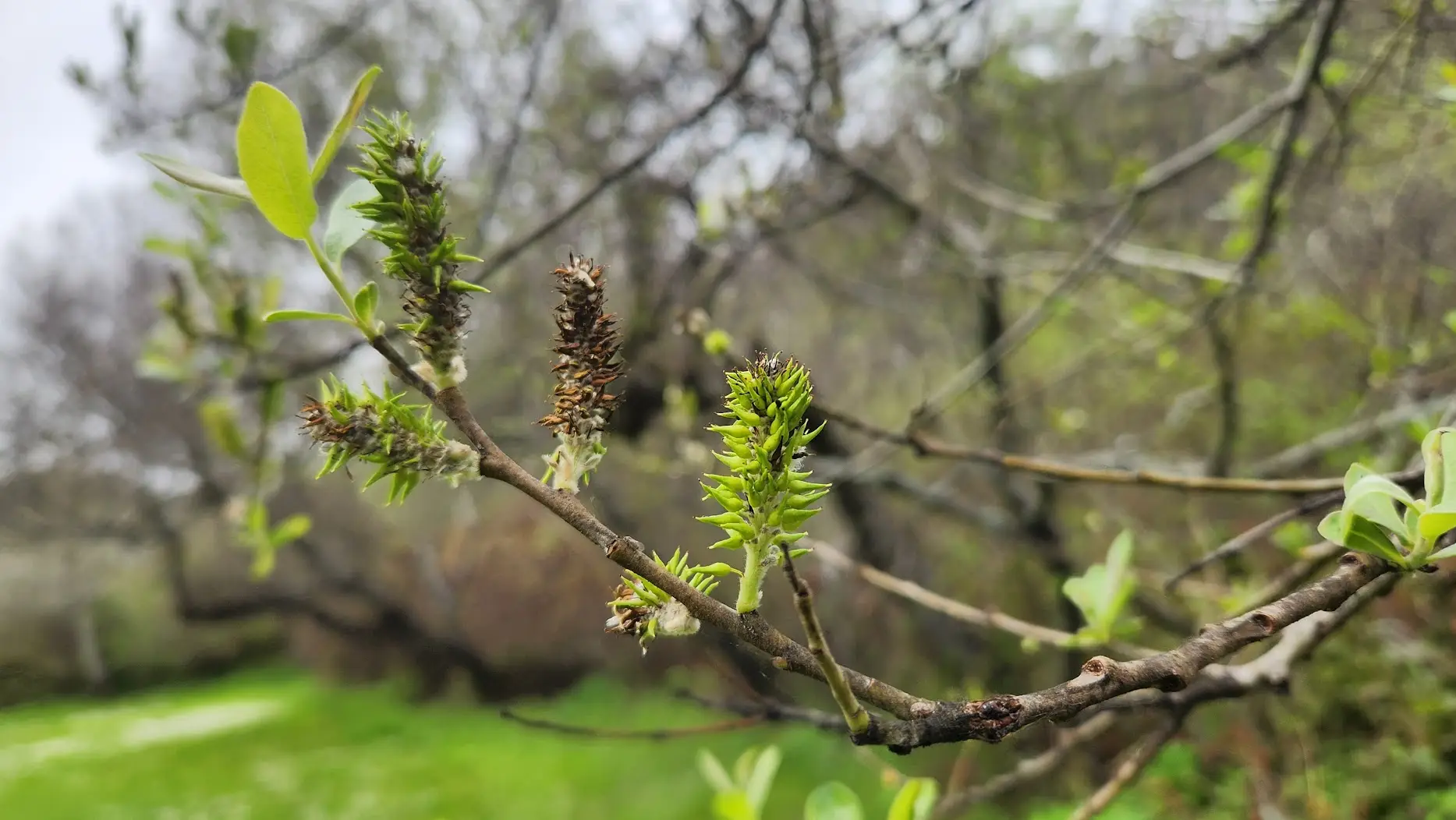
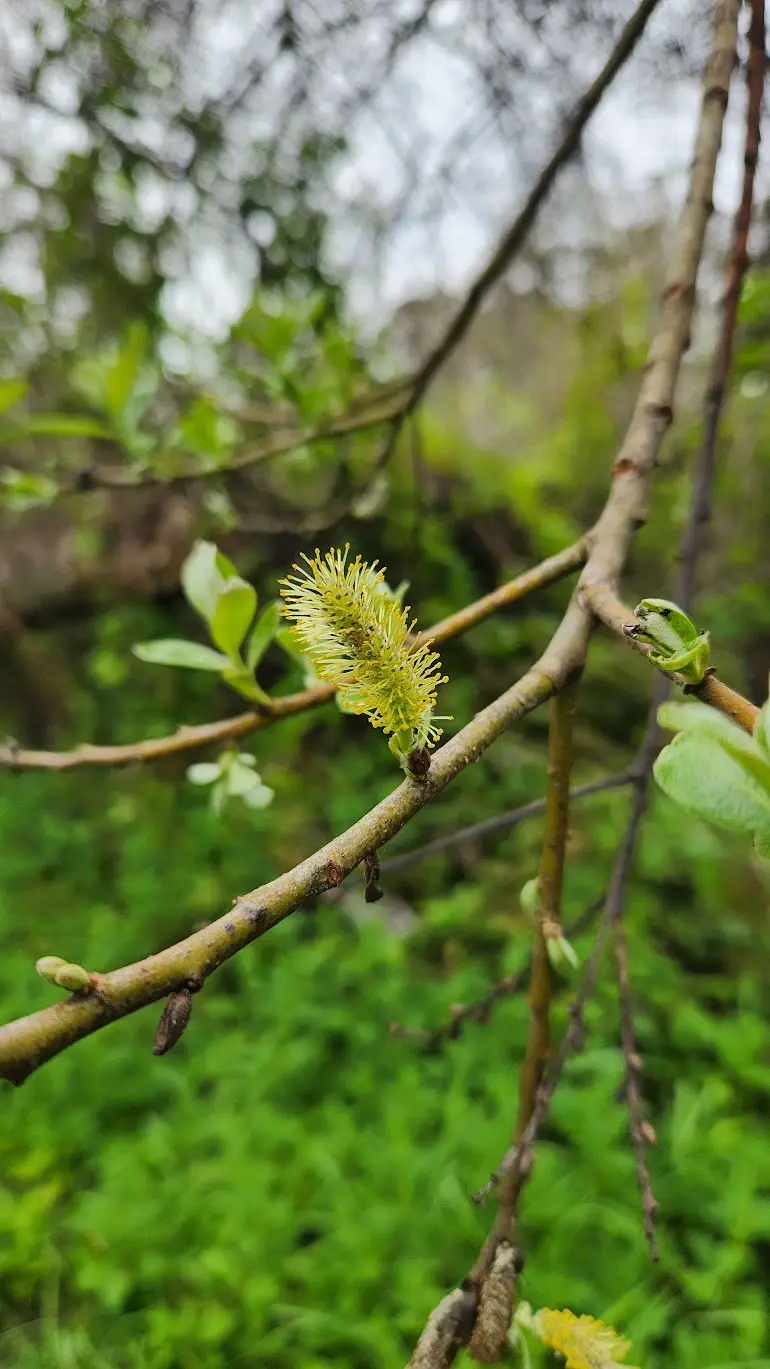
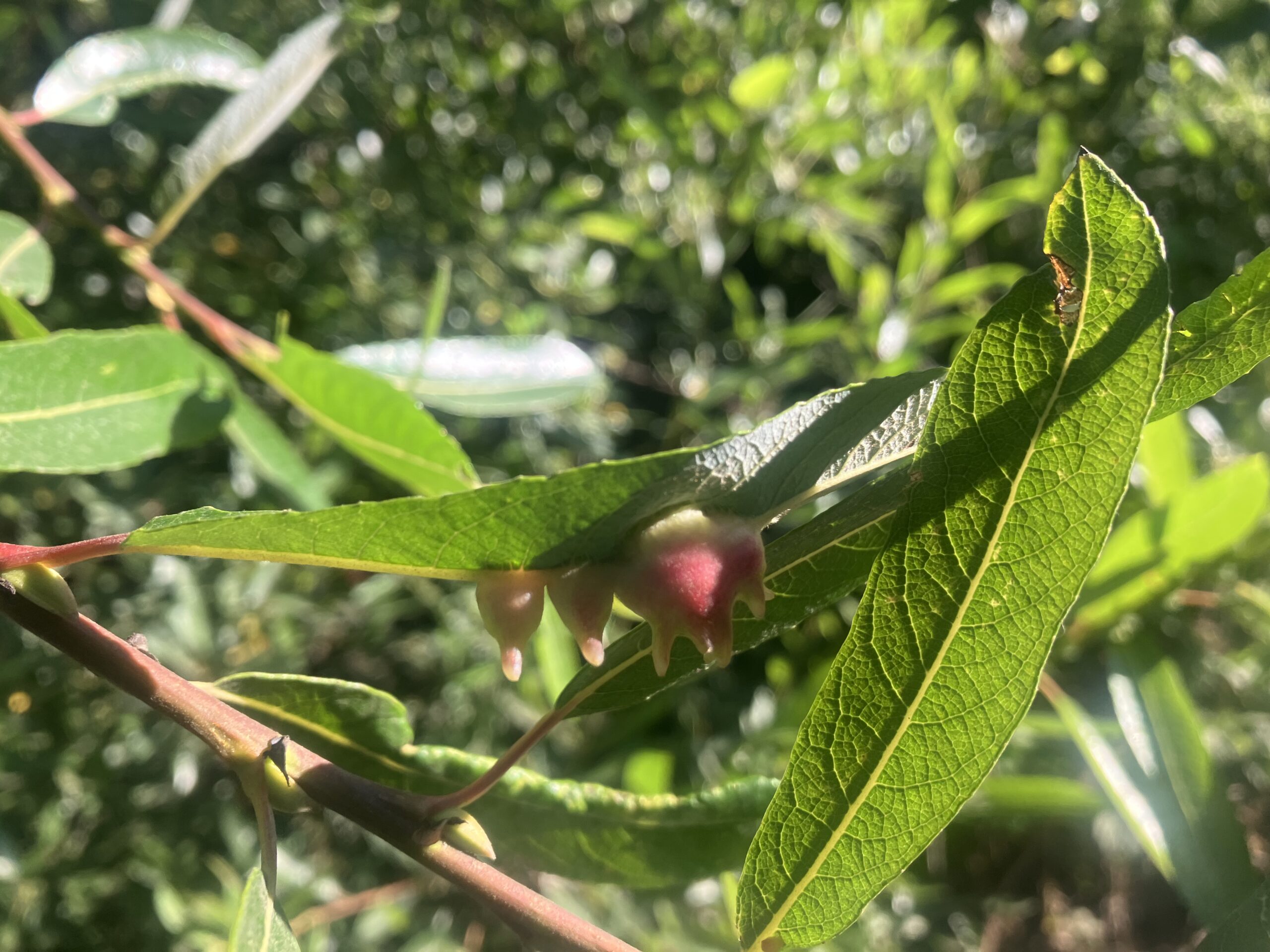
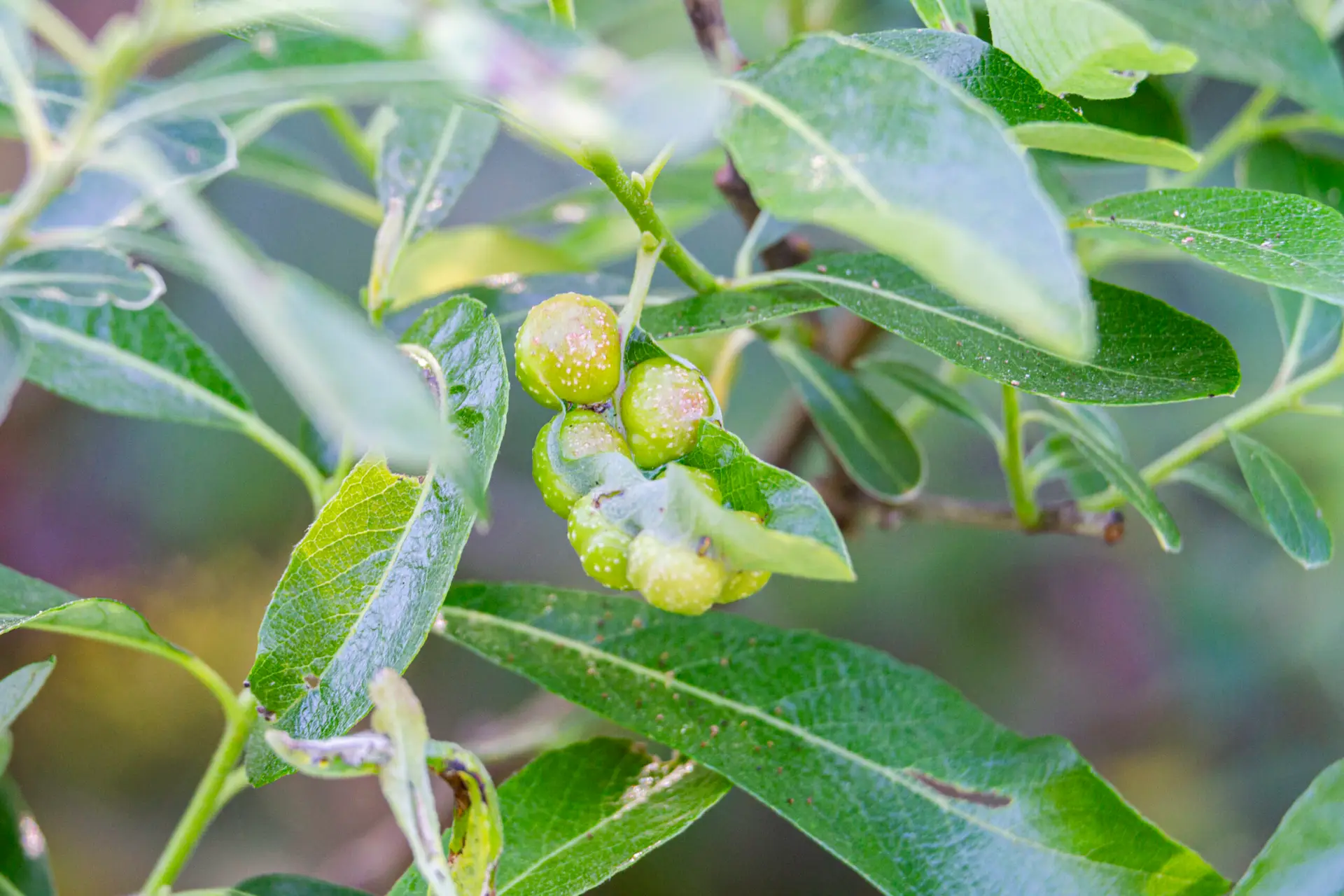
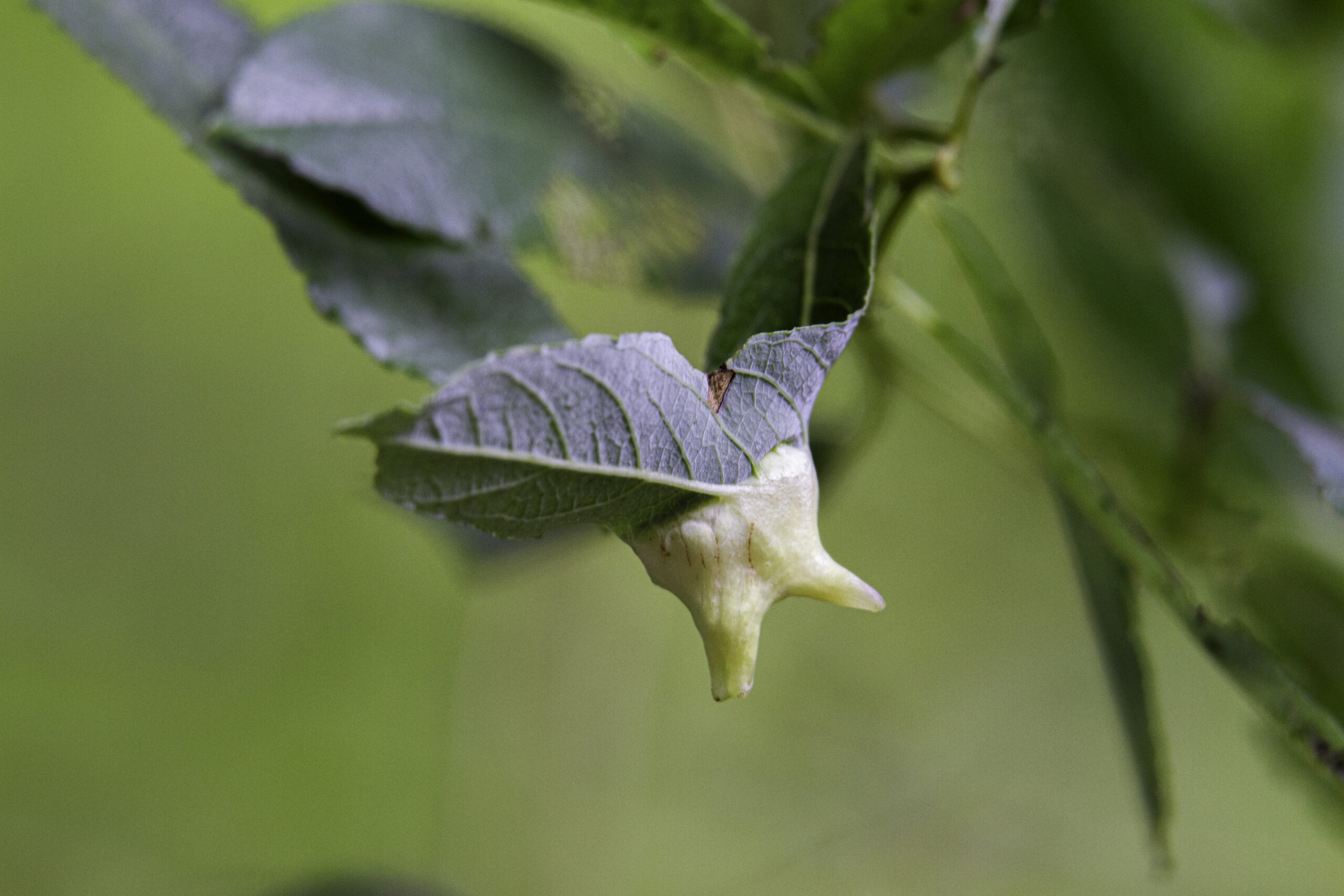
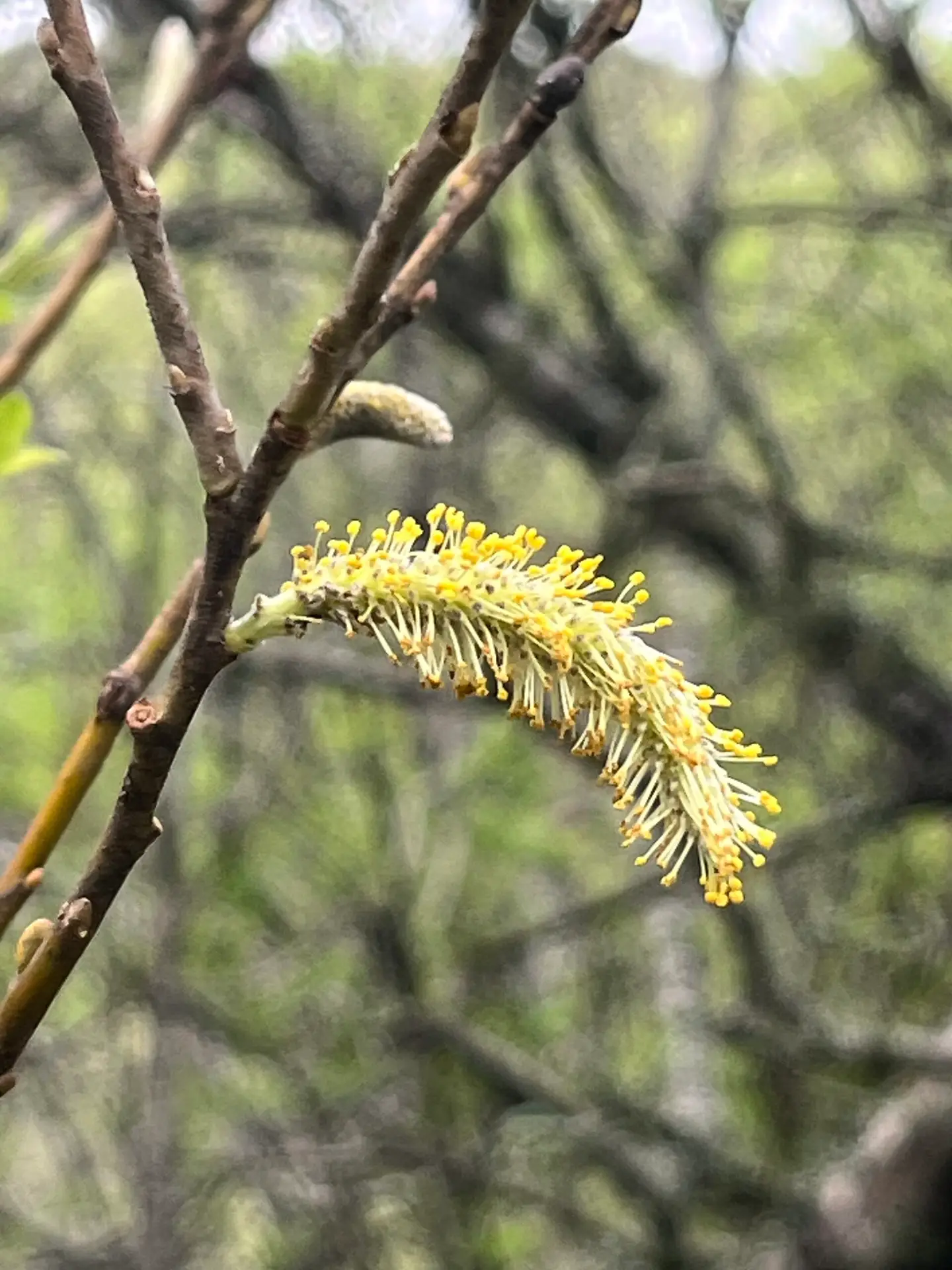
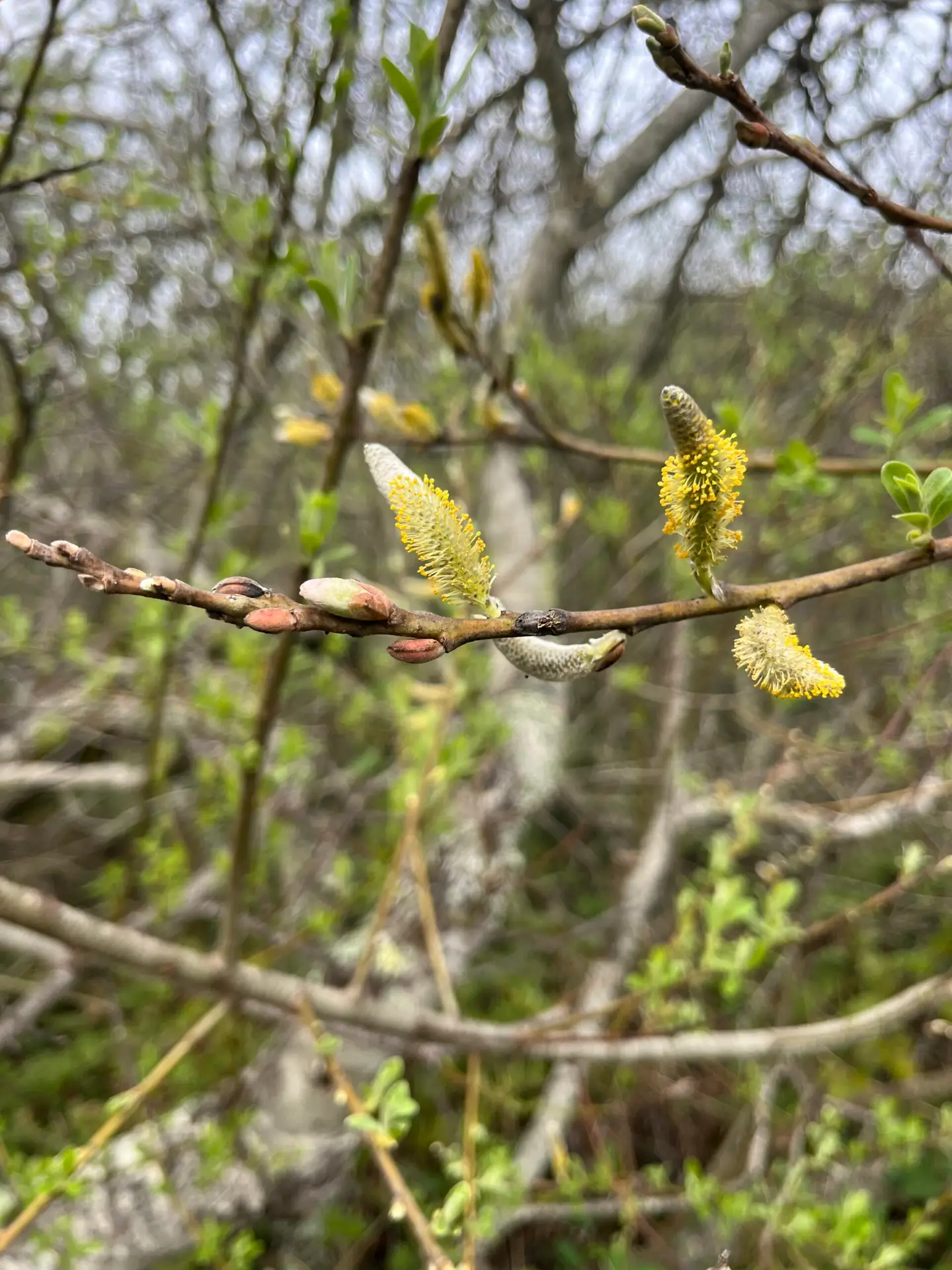
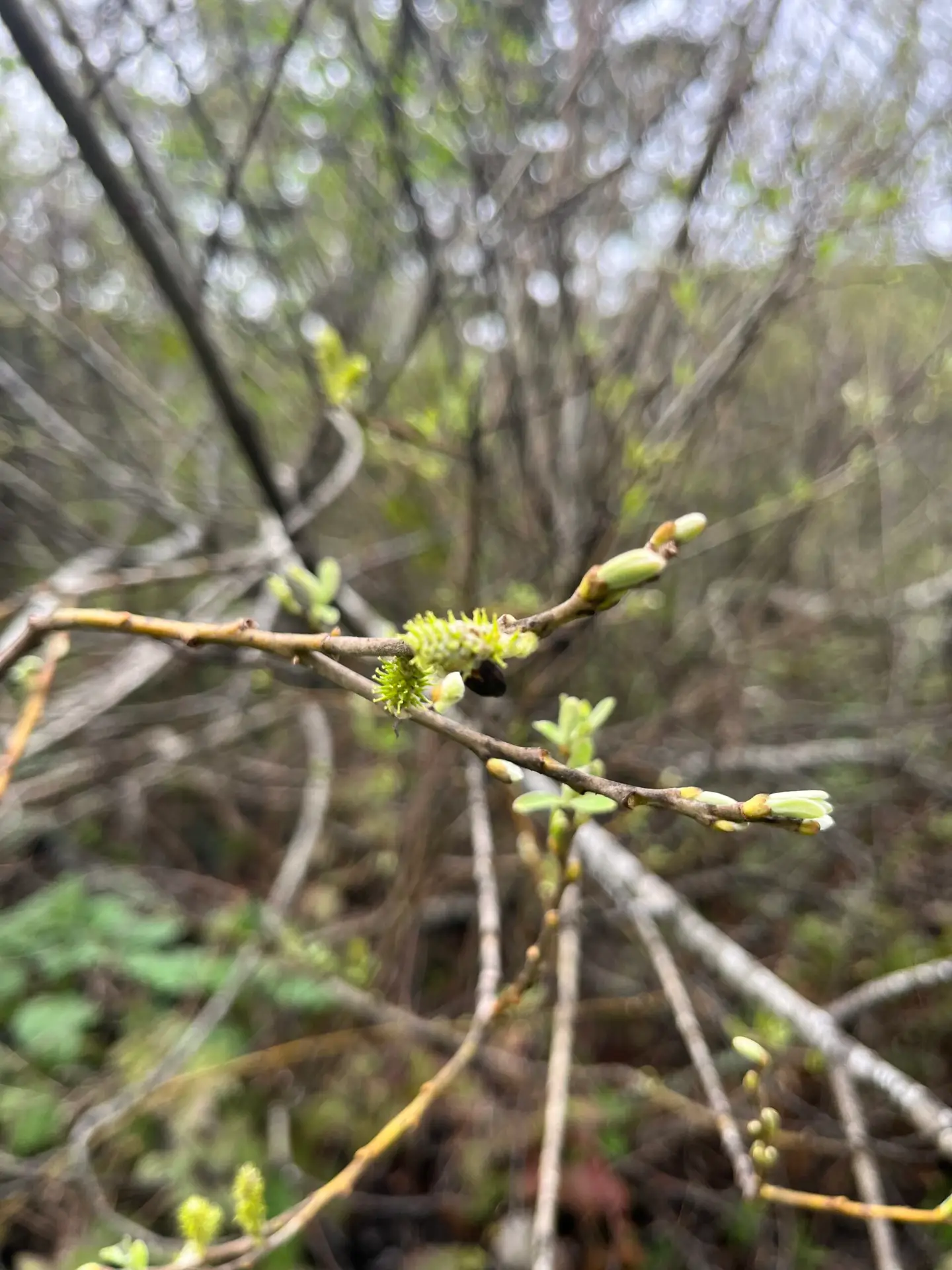
Deciduous, native shrub to small tree grows with narrow green leaves and fuzzy catkins (pussy willows) in spring. Arroyo Willow is dioecious, with male and female flowers on separate plants.
Height / Size
7 to 35 feet tall, up to 10 feet wide. Size ranges from shrub to small tree.
Leaves or Needles
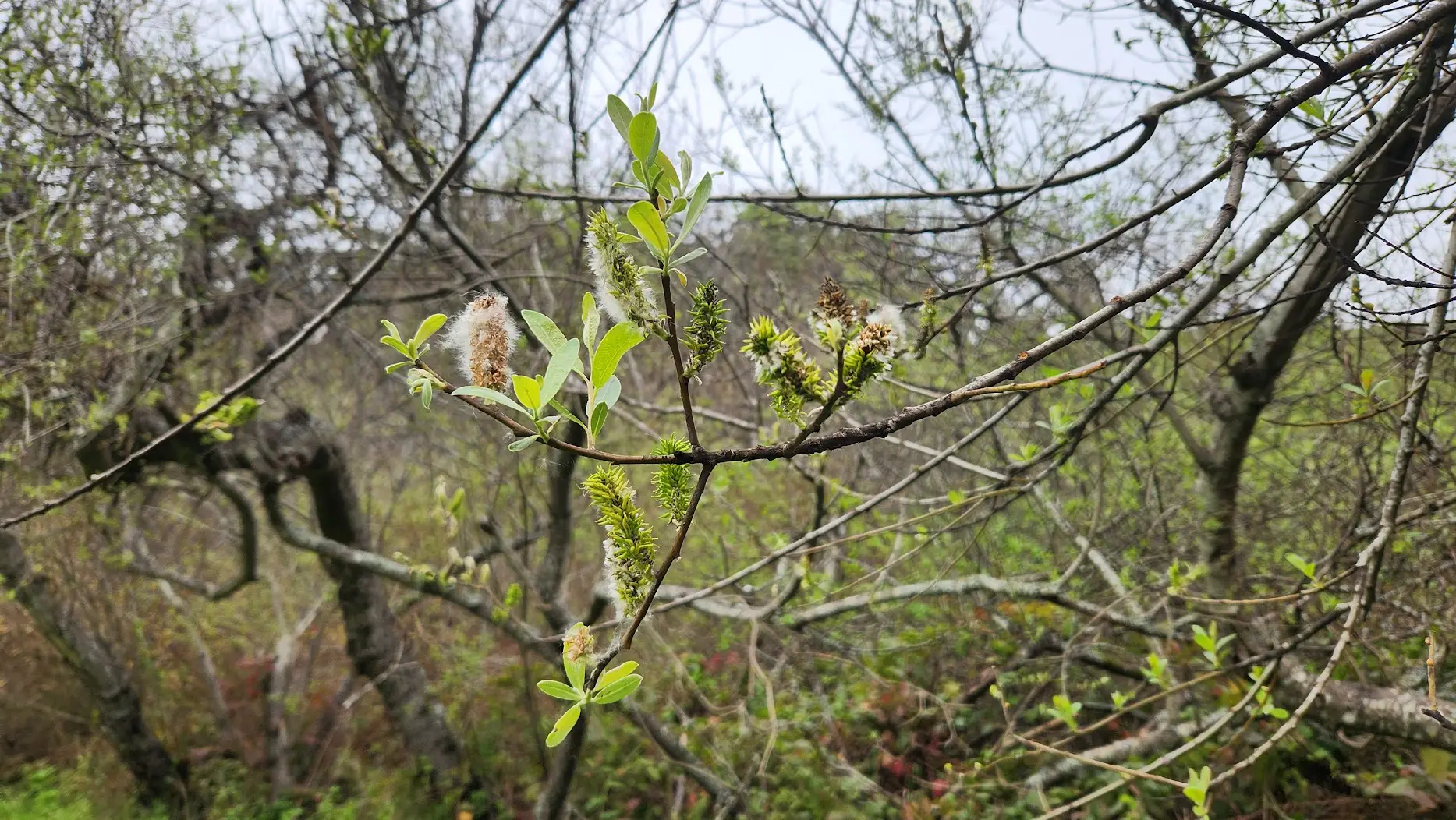
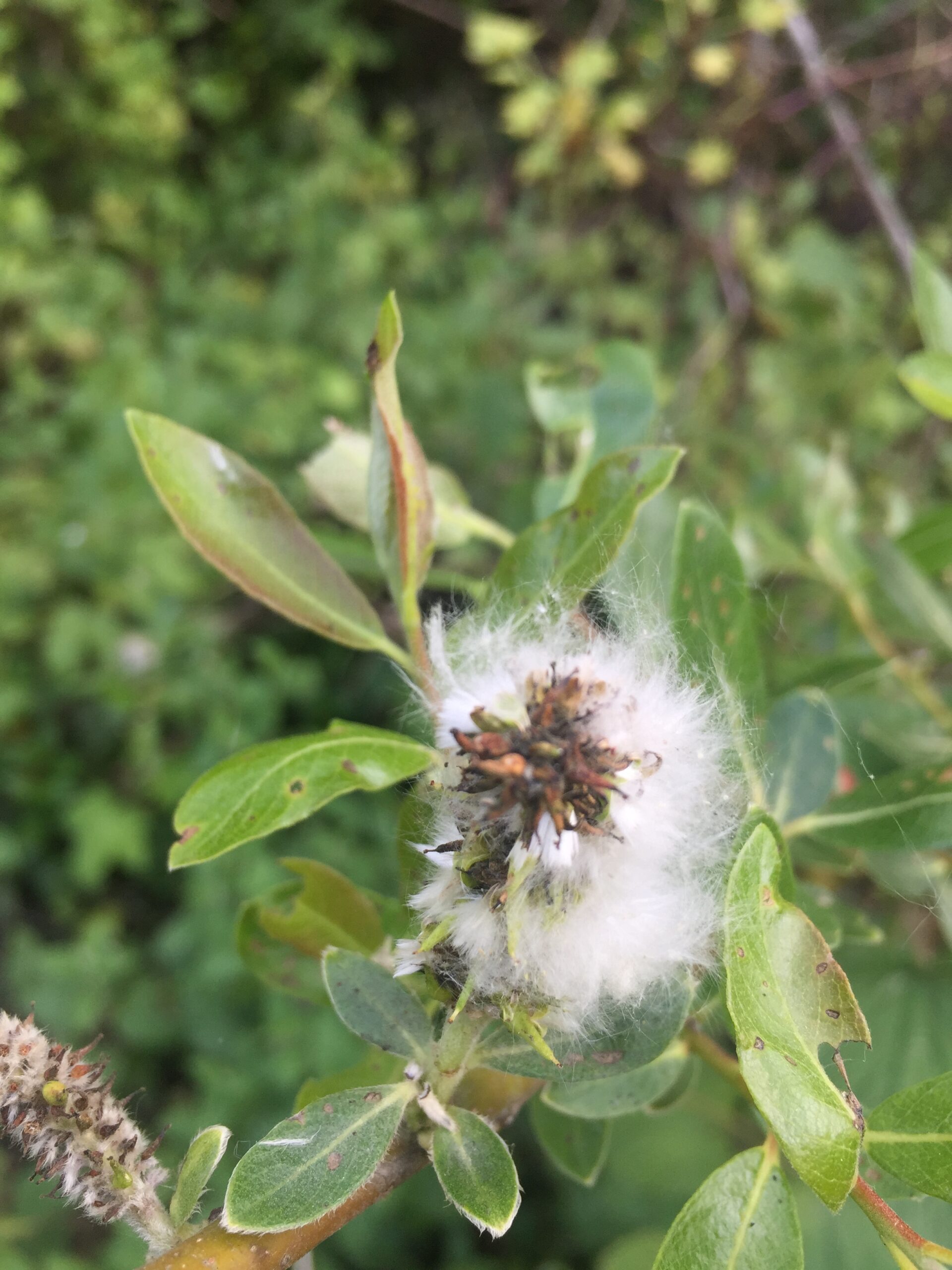
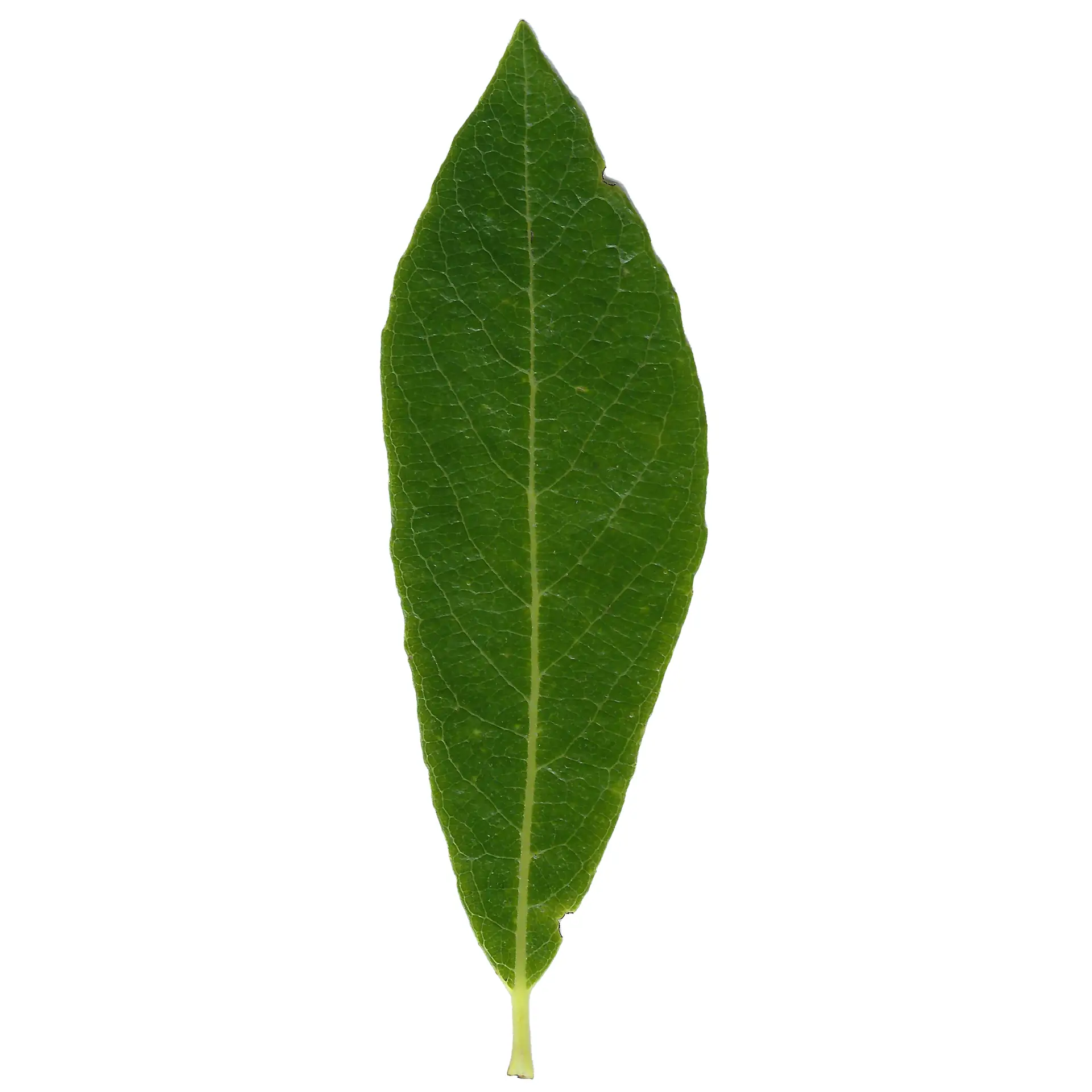
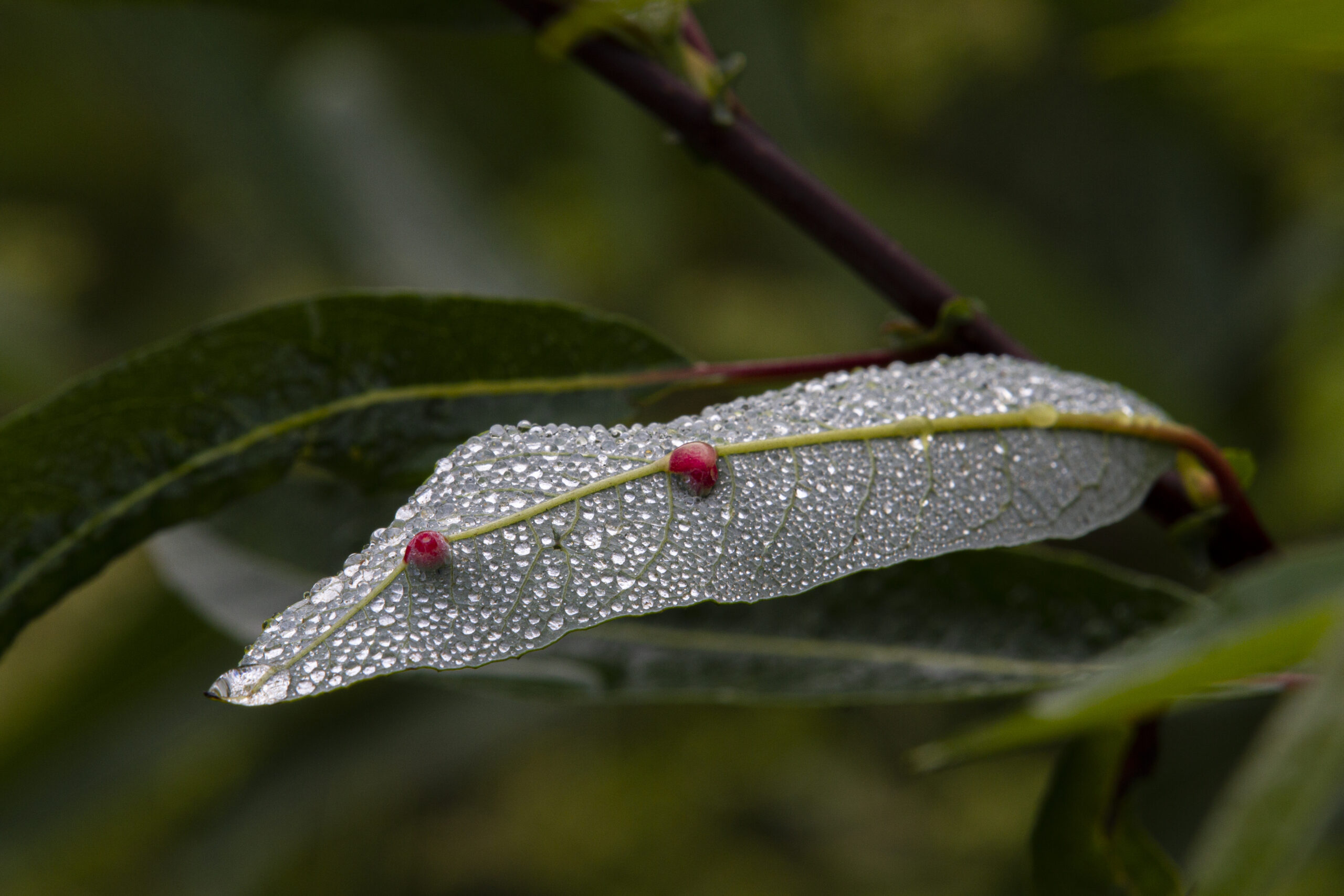
Narrow, green leaves are alternate, wider near the tip than the base and pale underneath.
Bark / Trunk
Single or multiple trunks with gray bark.
Flower
Male catkins and female catkins appear on separate plants (dioecious). Male catkins are yellow, female catkins are smaller and green. Flowers have no sepals and no petals. Catkins appear before leaves.
Bloom time: January to February.
Fruit / Seed / Cone
Tiny seeds are windblown in fluffy cotton masses.
Habitat
Common in riparian zones, and moist soils along creeks.
Location / Range
Trout Farm Trail, and common along creekside trails. Grows in northern, southern and central California to 7000 feet.
Lifespan
Willows typically live to 35 years.
Fascinating / Fun Facts
Willow leaves and bark contain a compound, salicin, the active ingredient in aspirin. Indigenous peoples of California use willow as a medicinal plant, the inner bark is used to make rope, and the shoots and branches are used in basketry.
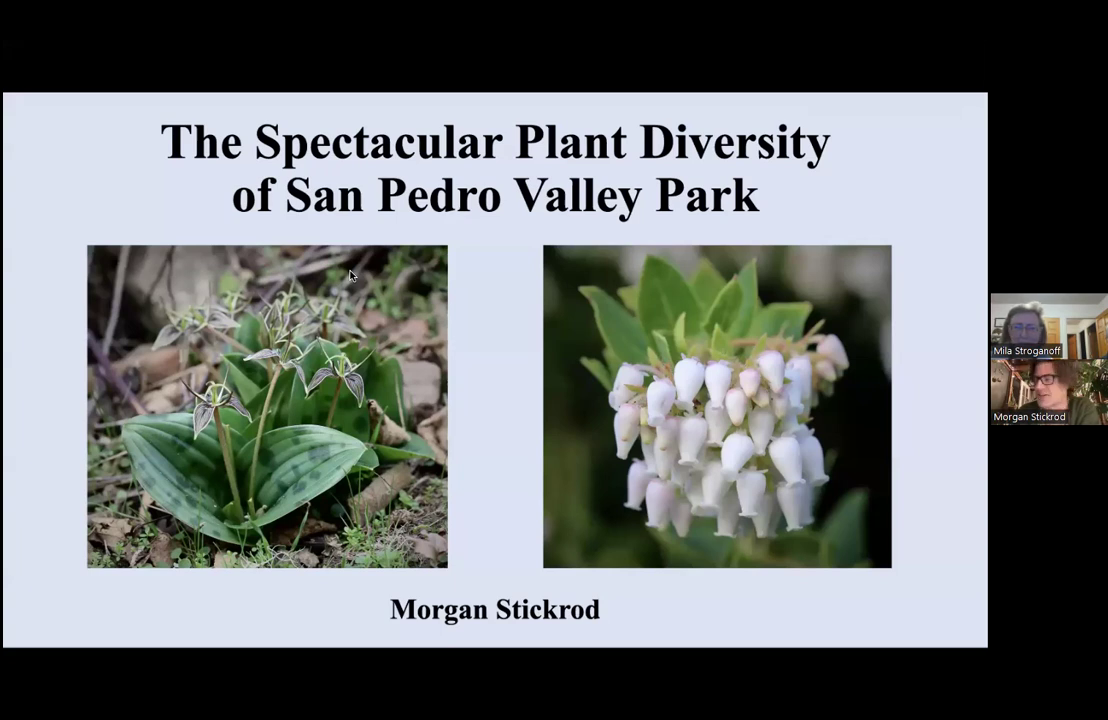
The Friends of San Pedro Valley Park welcomed Morgan Stickrod, a botanist and plant ecologist with over 10 years of experience doing research and field...