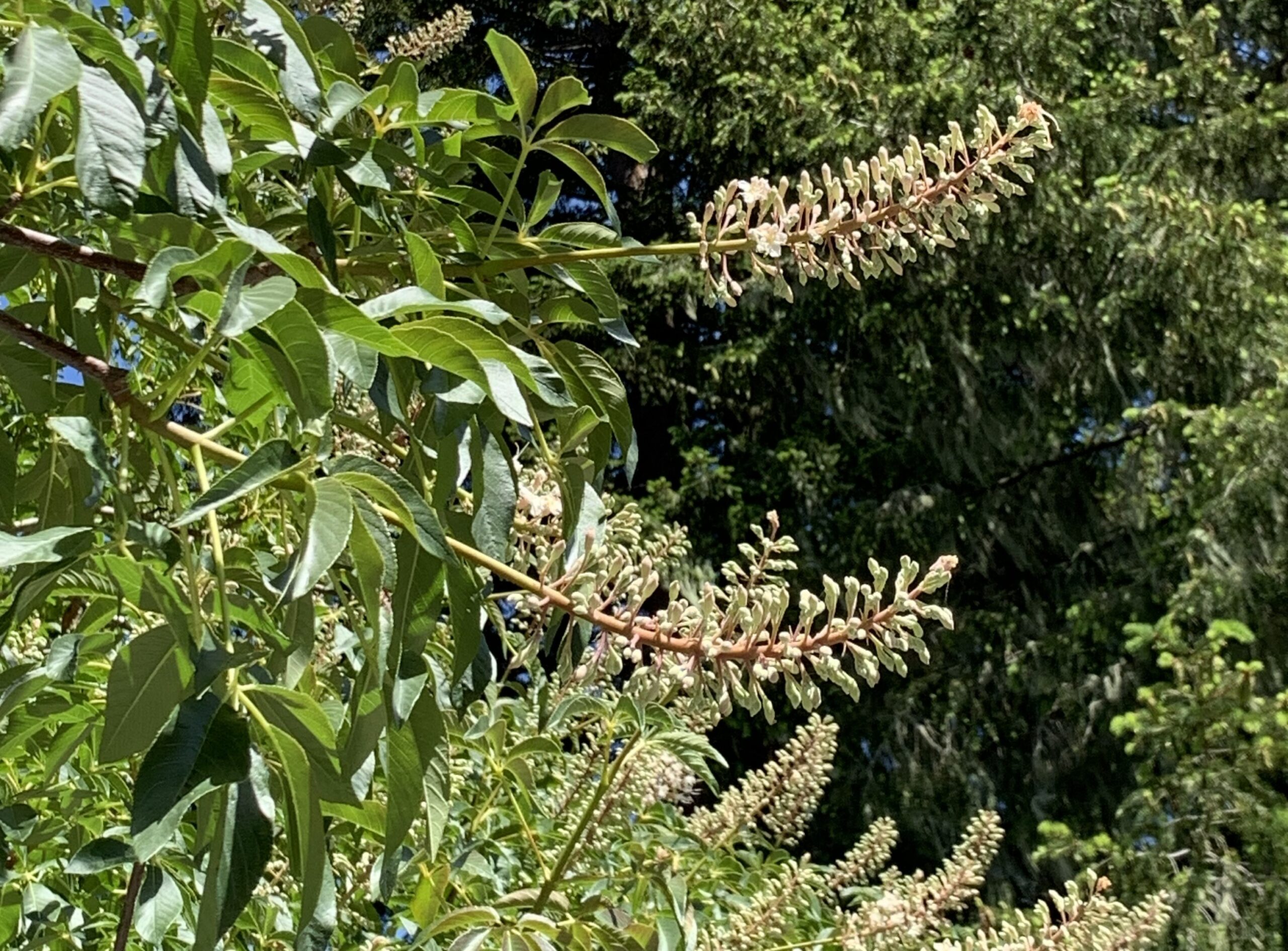
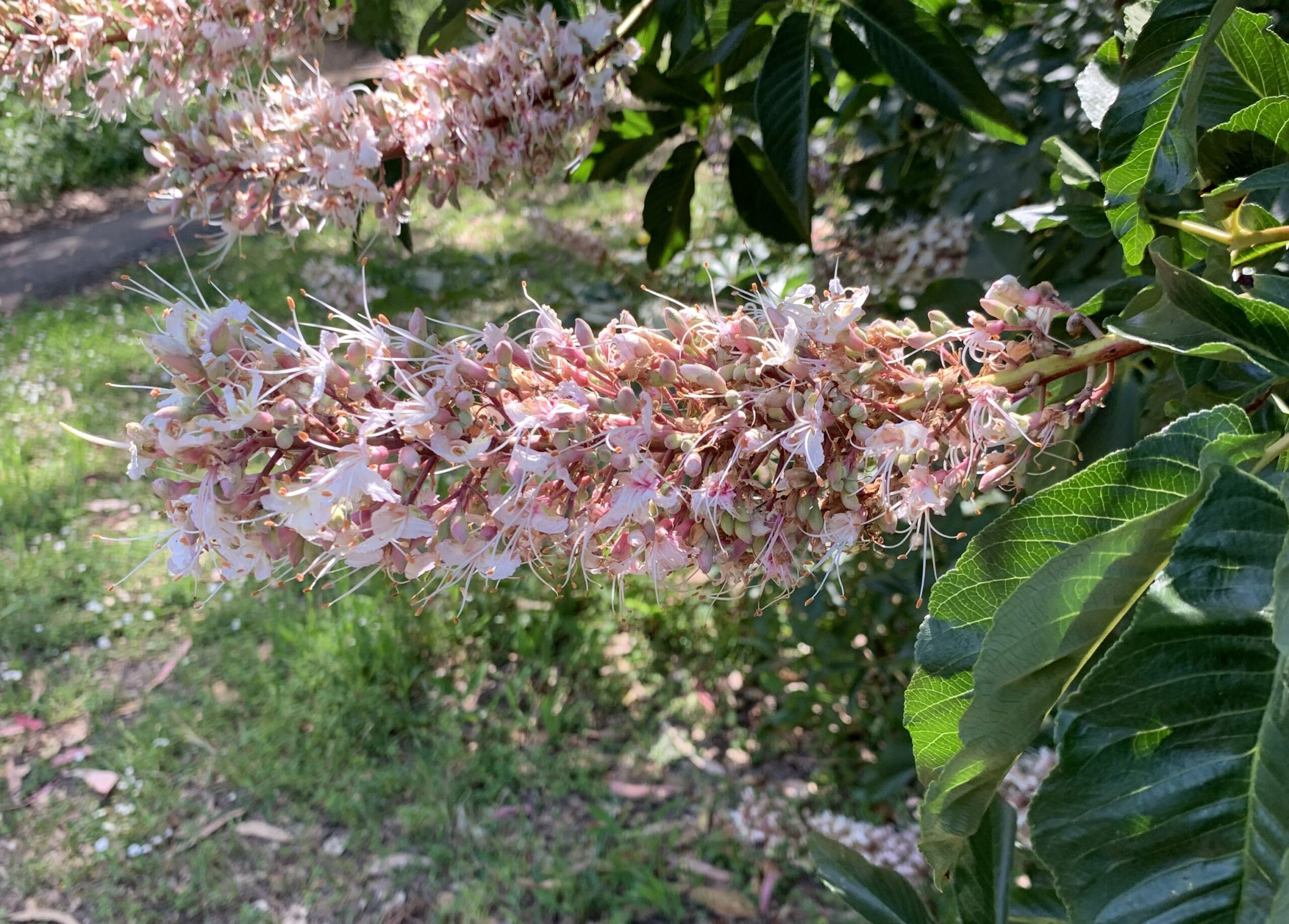
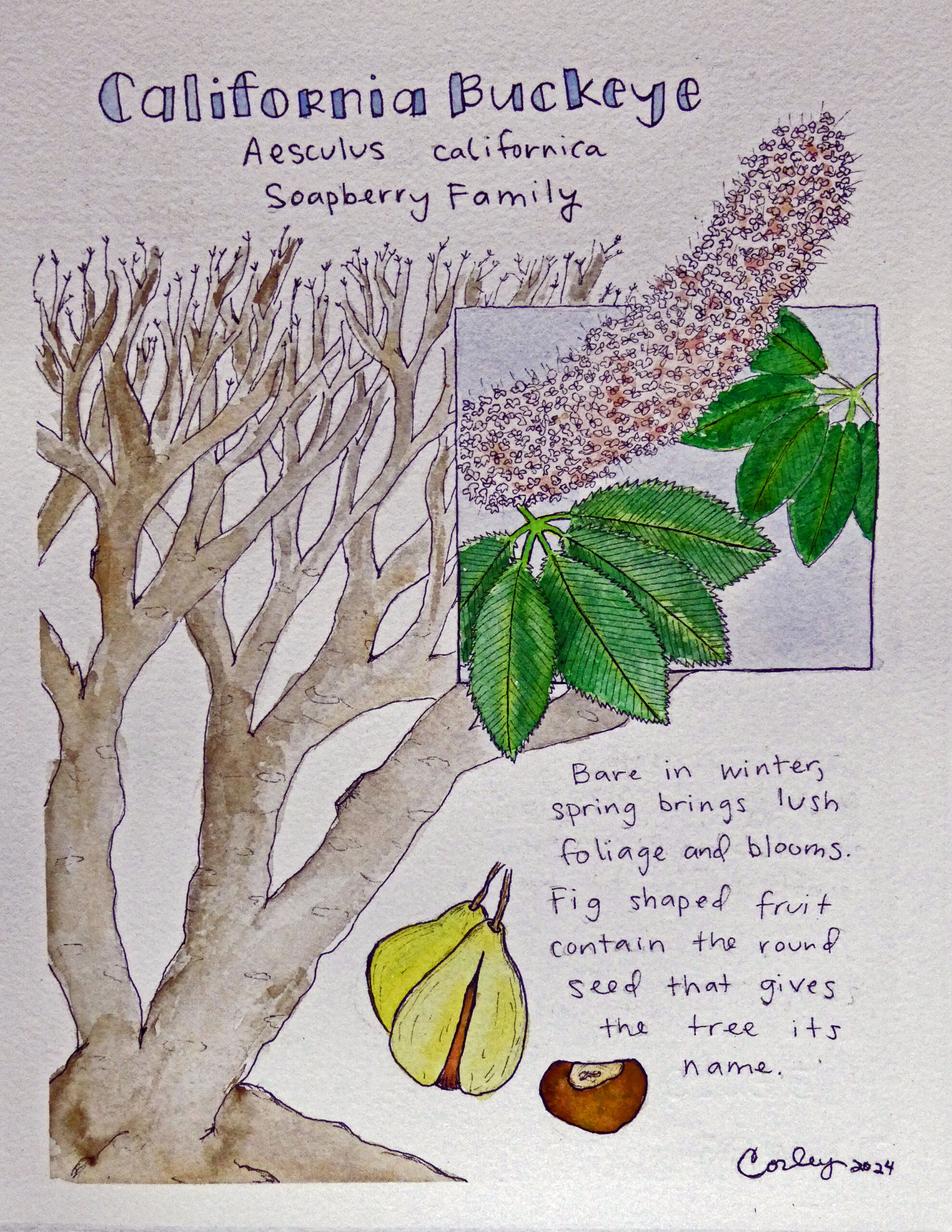
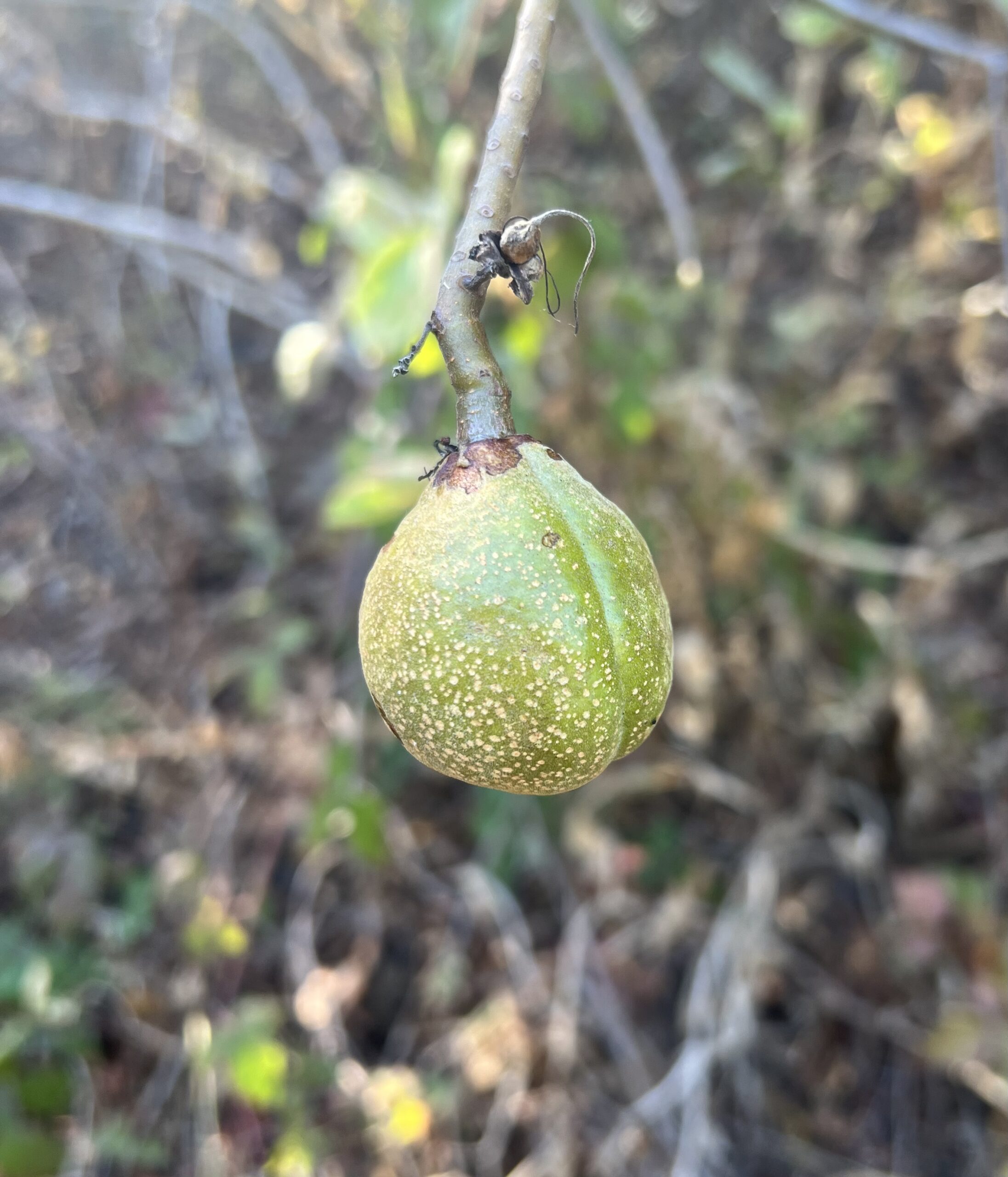
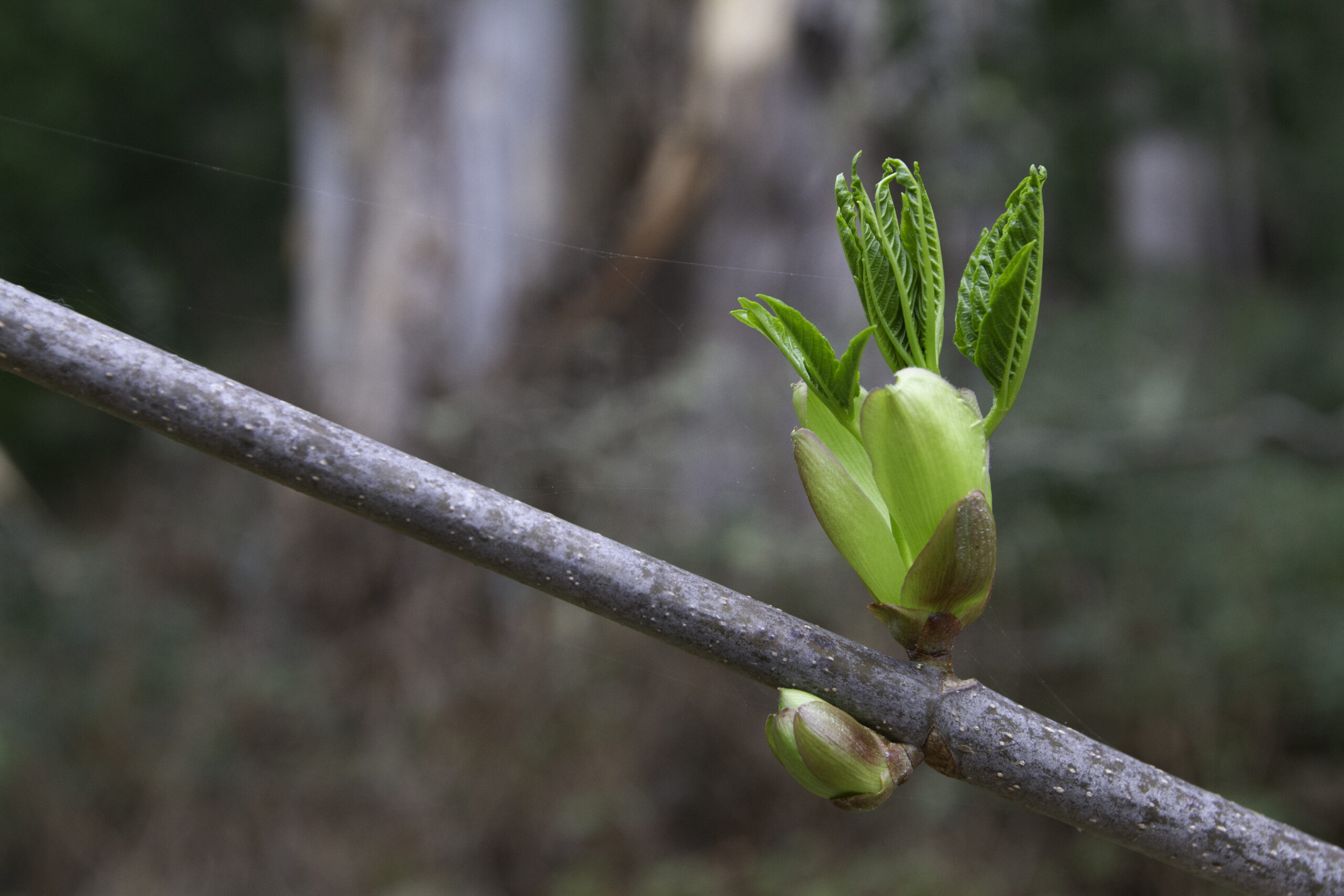
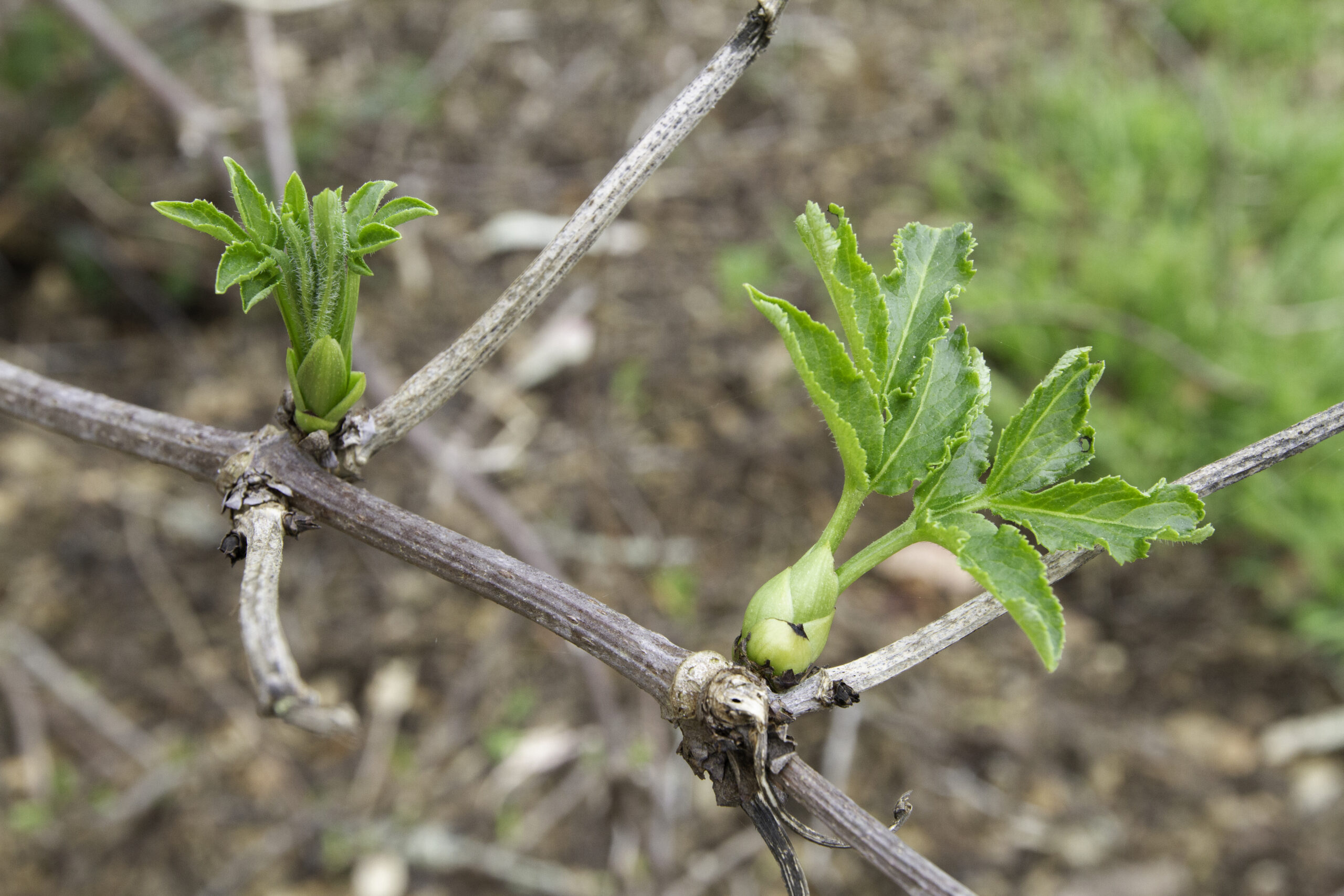
Large shrub to small tree with gray bark and palmate leaves that are deciduous in summer. Spring brings lush foliage, followed by distinctive ‘candles’ of white blooms. Leaves fall in late summer making it easy to identify the tree in the landscape. Fig shaped fruit contains the round seed that gives the tree its name.
Height / Size
Fast growing, ranging from shrubs to trees 30 feet tall.
Leaves or Needles
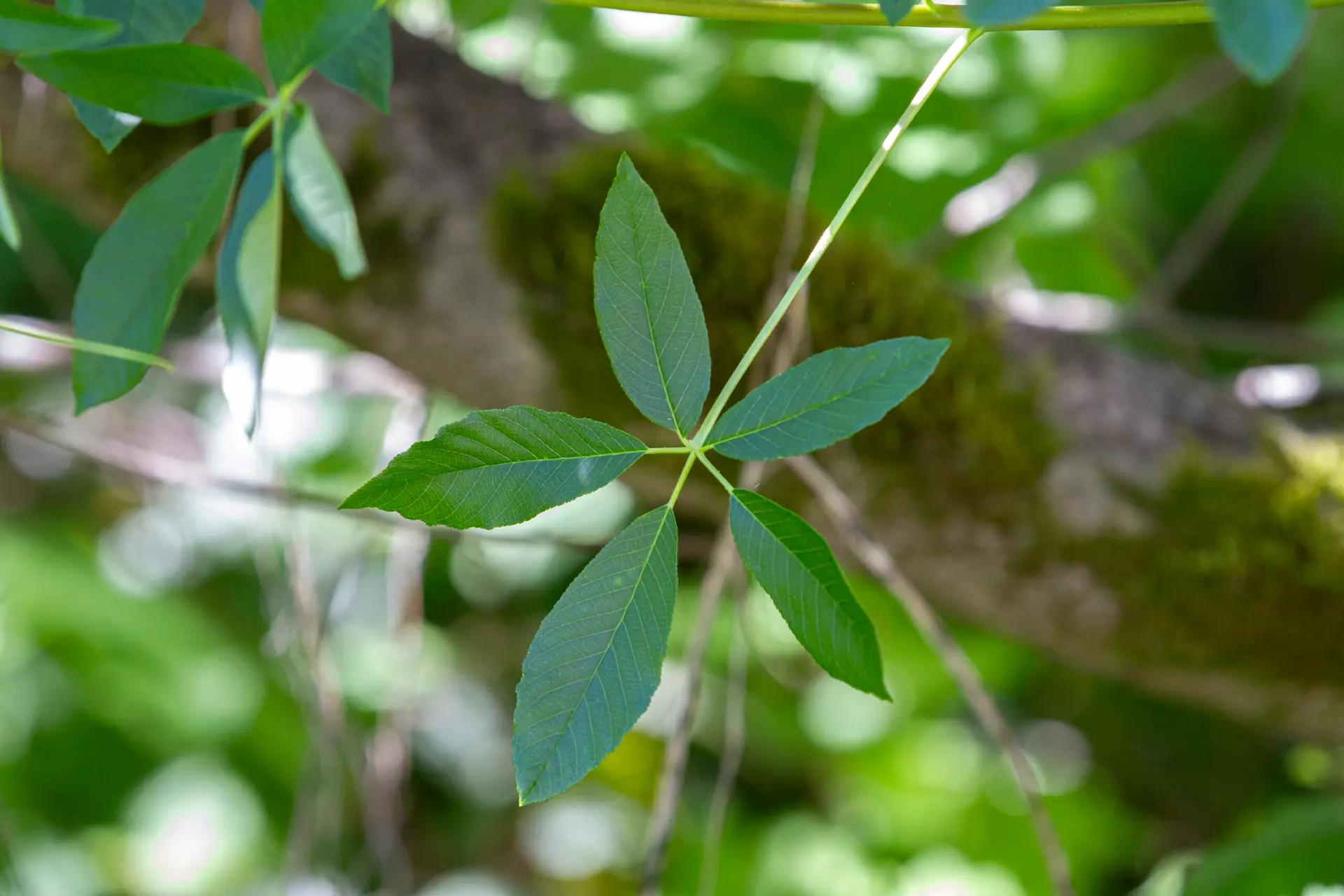
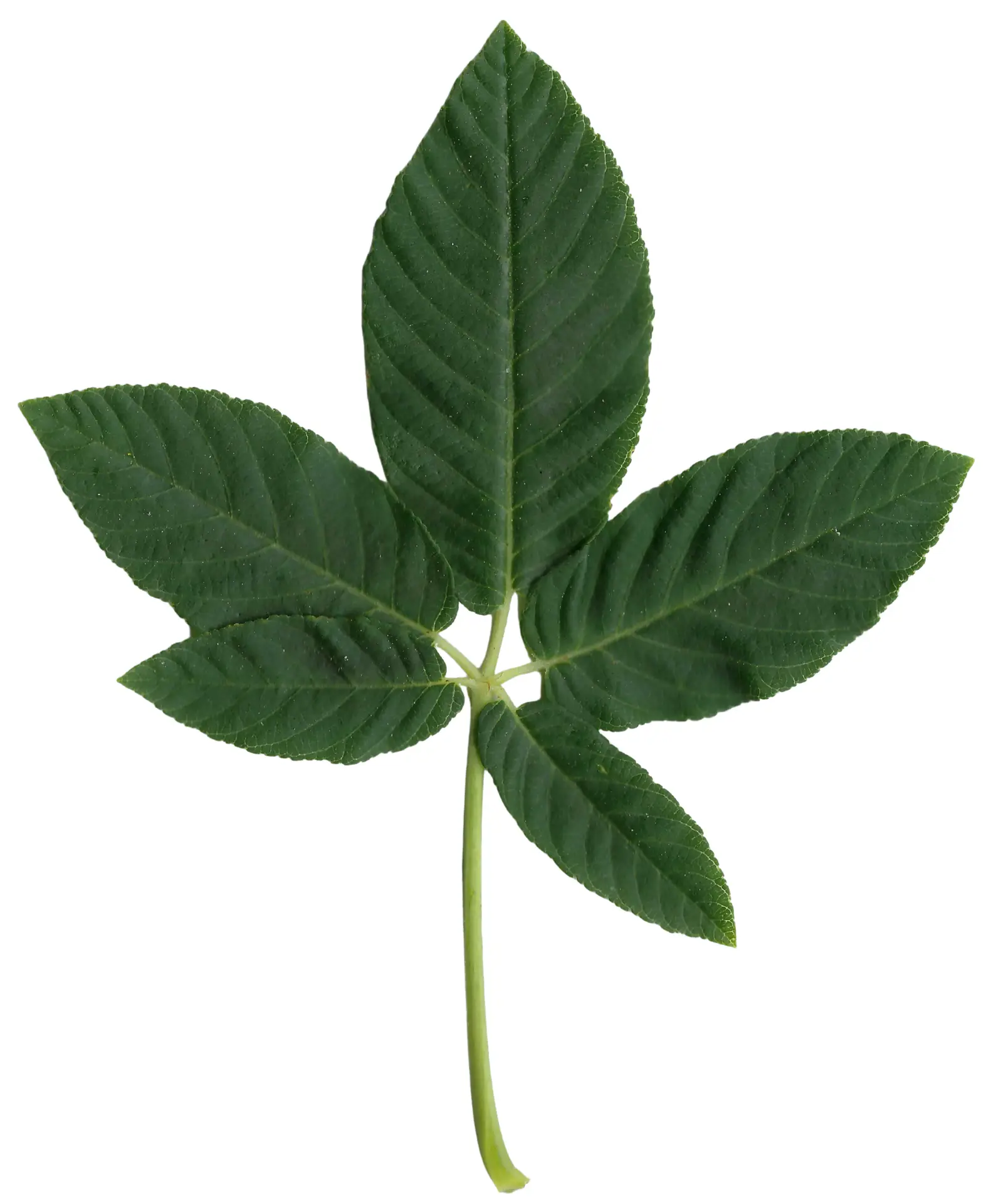
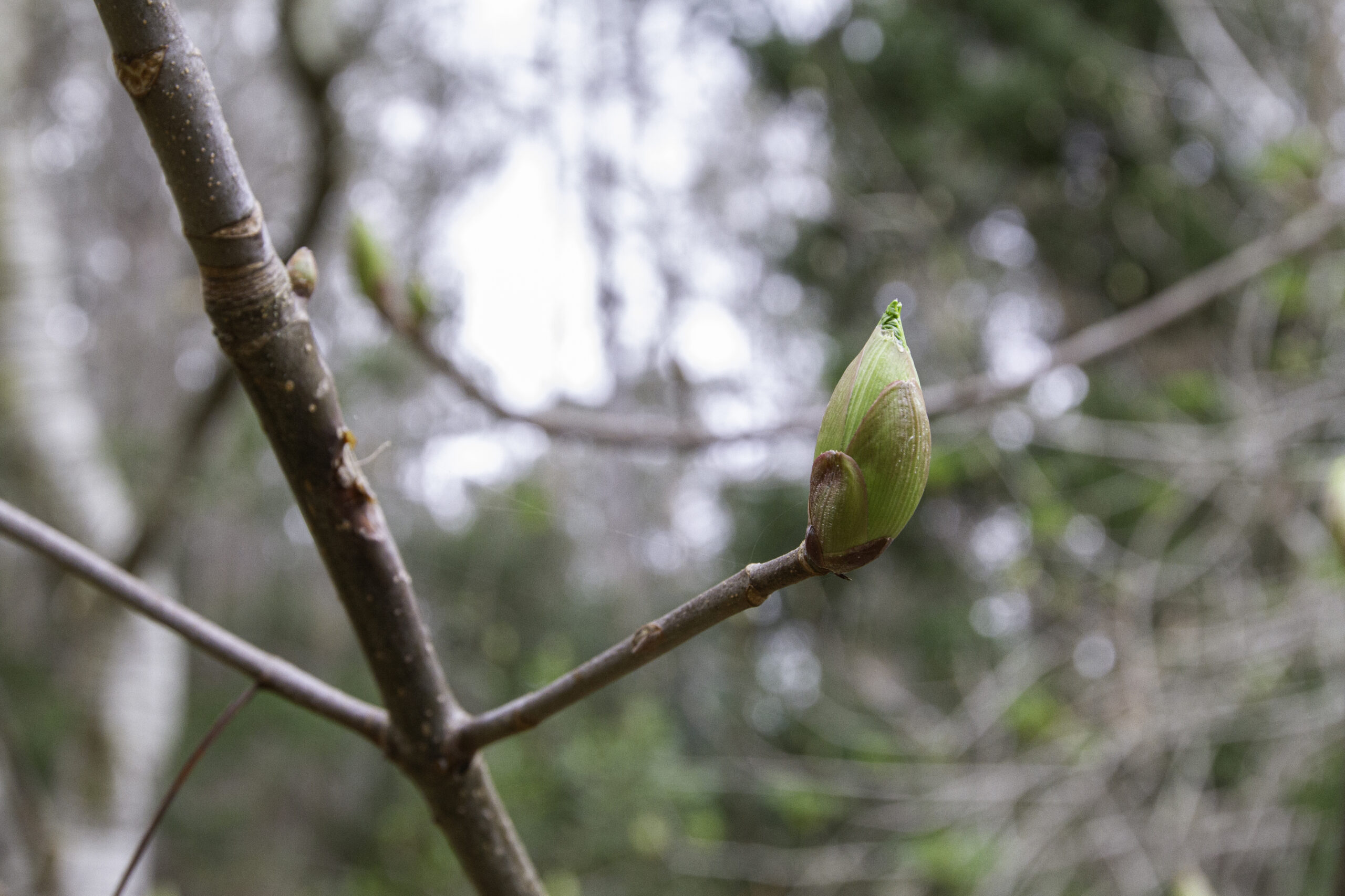
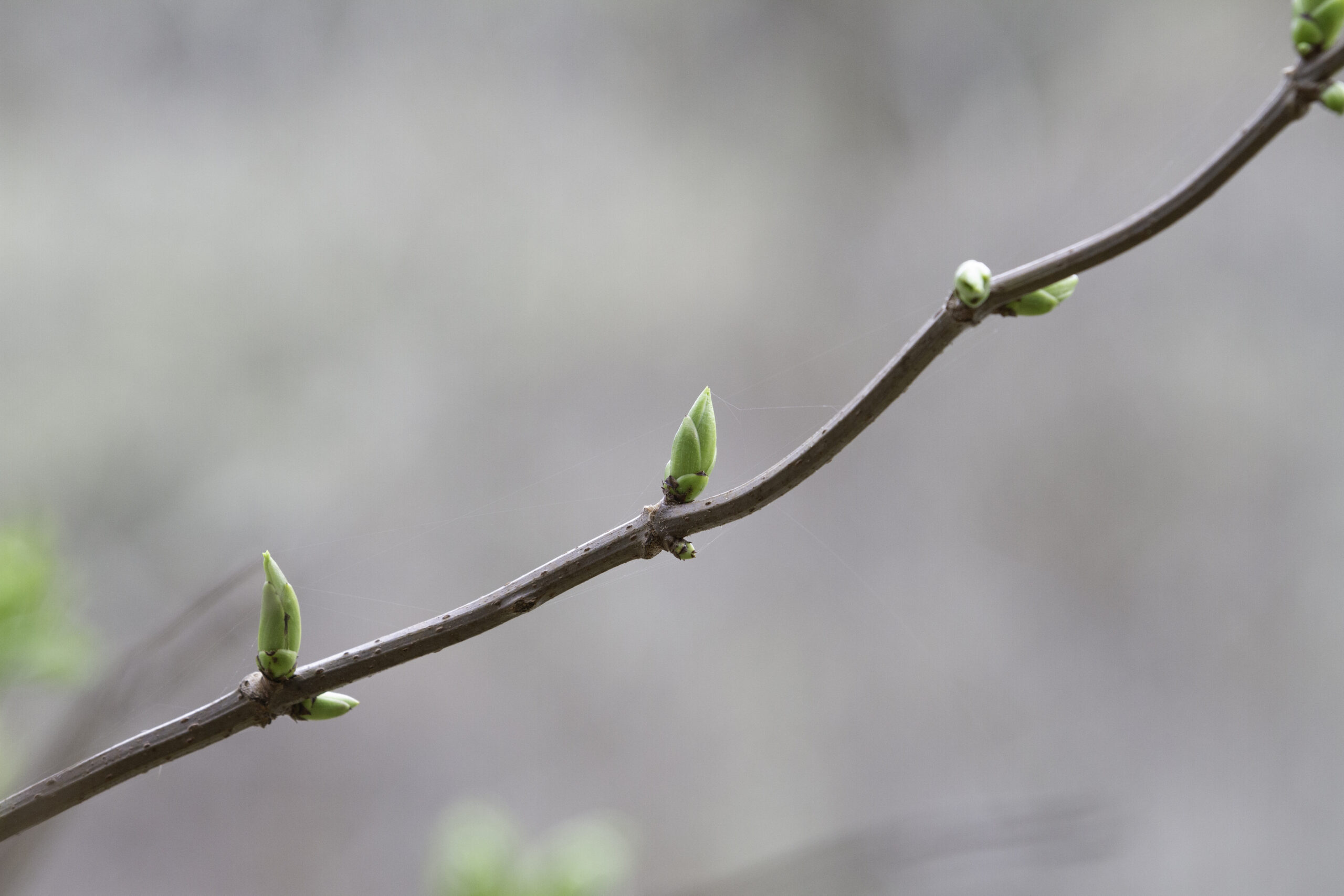
5 part compound leaves in the shape of a hand. Leaf edges are finely-toothed and bud in early February. This is only CA native plant with opposite, compound leaves.
Bark / Trunk
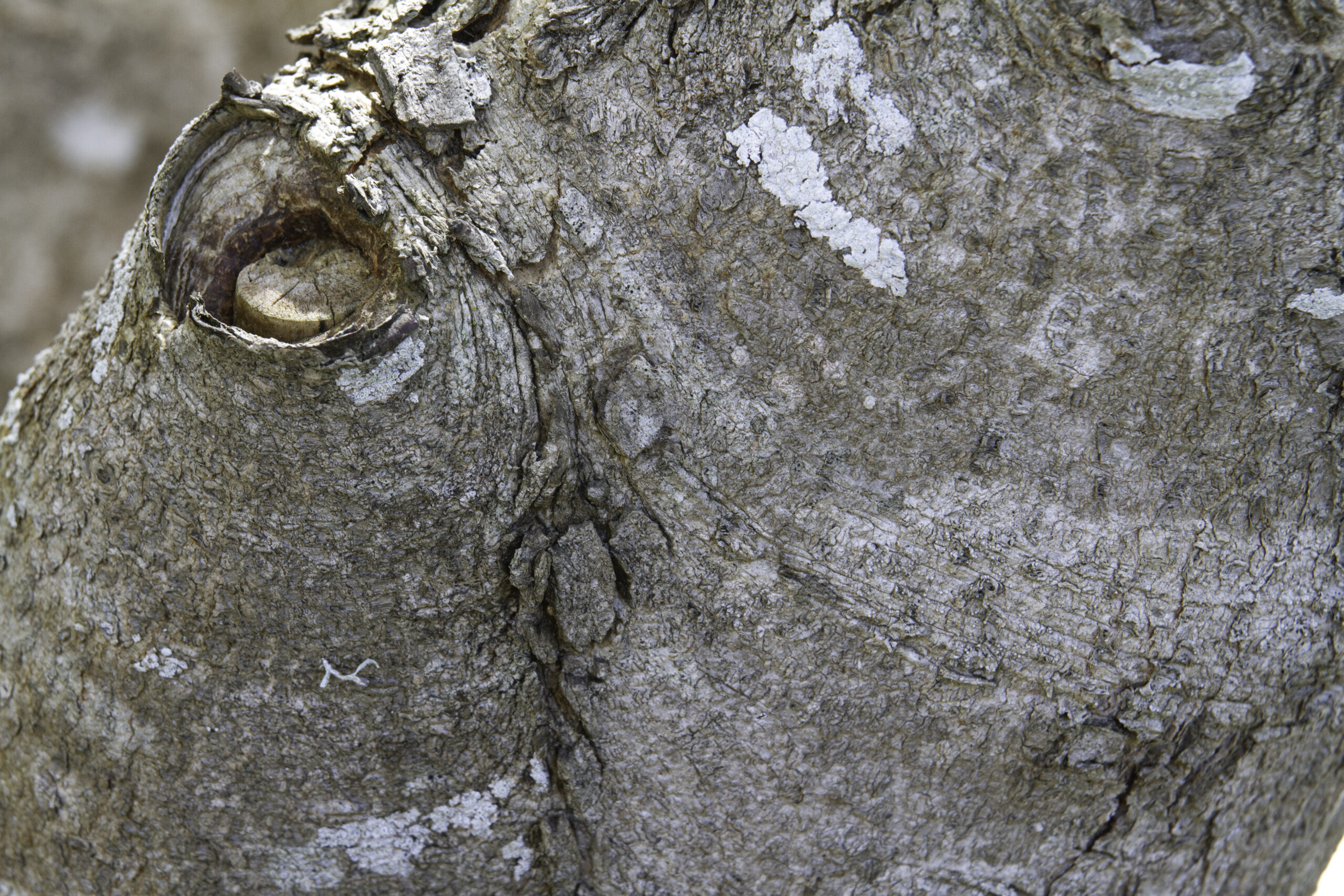
Multi-trunked small rounded tree with gray bark.
Flower
Each aromatic flower has four pink or white petals and long stamens. Bloom time: May to July.
Fruit / Seed / Cone
Resembles a buck’s eye with leathery, light brown casing opening to show a dark brown seed, about 2 inches across. It is enclosed in the fig shaped fruit.
Habitat
Dry slopes, canyons, upper margins of streams.
Location / Range
Visitor’s Center, Hazelnut and Old Trout Farm trails. Endemic to the California Floristic Province, occurring from the western Transverse Ranges in the south, north to southwestern Oregon. Occurs in a wide range of habitat conditions throughout the coast ranges, the greater central valley, and the foothills of the Sierra Nevada.
Lifespan
Between 250 and 280 years with a maximum of 300 years.
Fascinating / Fun Facts
Also known as the California Horse-Chestnut. The large seeds, called nuts, contain the glucoside aesculin that is a toxic compound. These nuts are the largest seeds produced by any non-tropical plant species.
Ethnobotany
Native groups do find the buckeye nut to be of some use as a food supply despite its toxicity, primarily when acorn harvests are sparse. They render the buckeye seed palatable by boiling and leaching the toxin out of the nut meats for several days, after which the nuts can be ground into meal similar to that made from acorns.
The same toxin that limits the buckeye seed to a food source only in times of hunger is used to snare a more delicious high protein food source. Native California tribes, including the Pomo, Yokut, and Luiseño, cleverly use the ground-up powder of buckeye seeds to stupefy schools of fish in small streams, making them easier to catch. And the smooth, straight branches of the buckeye make it useful to native peoples as a bow drill and a fire drill.