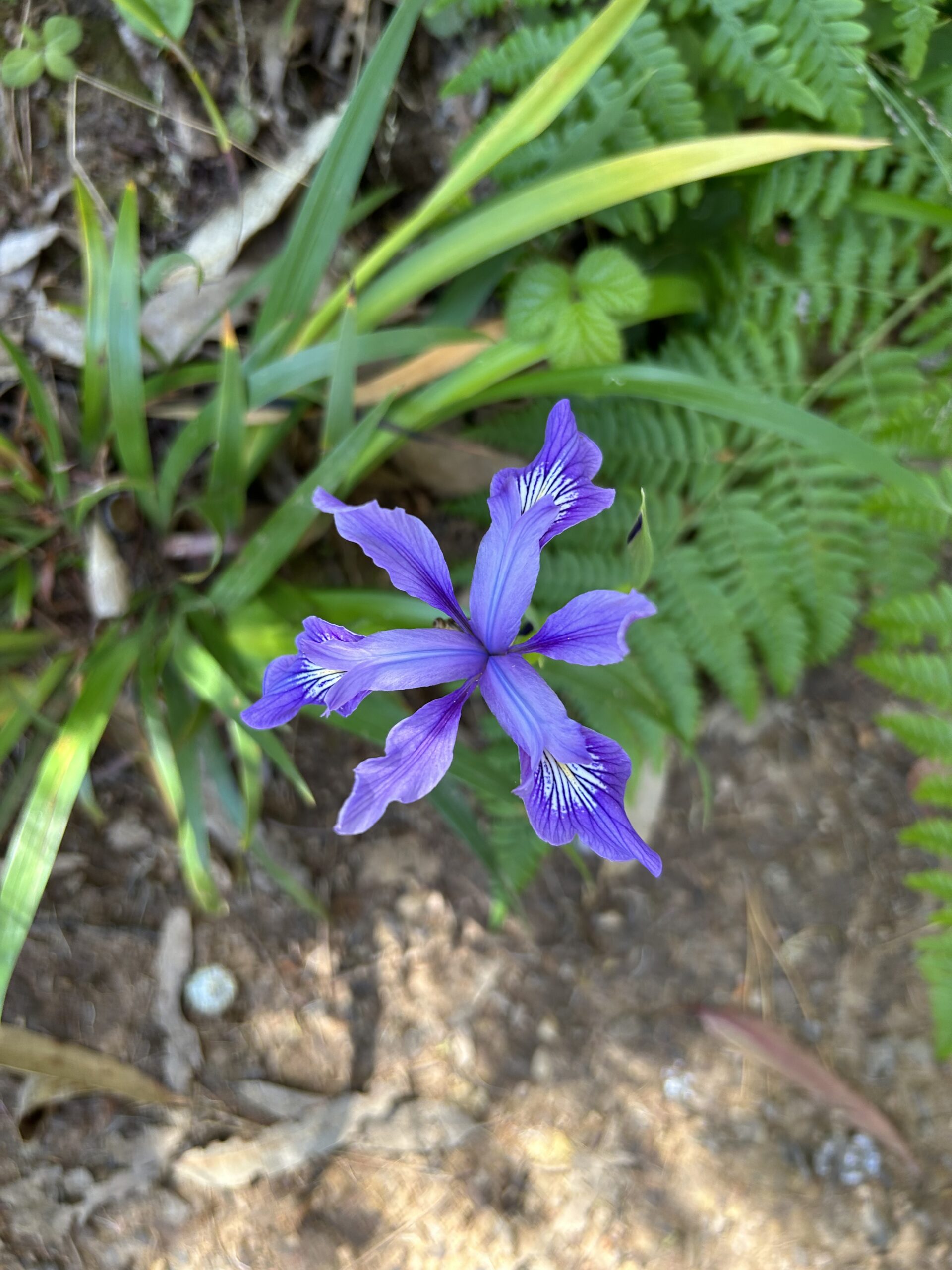
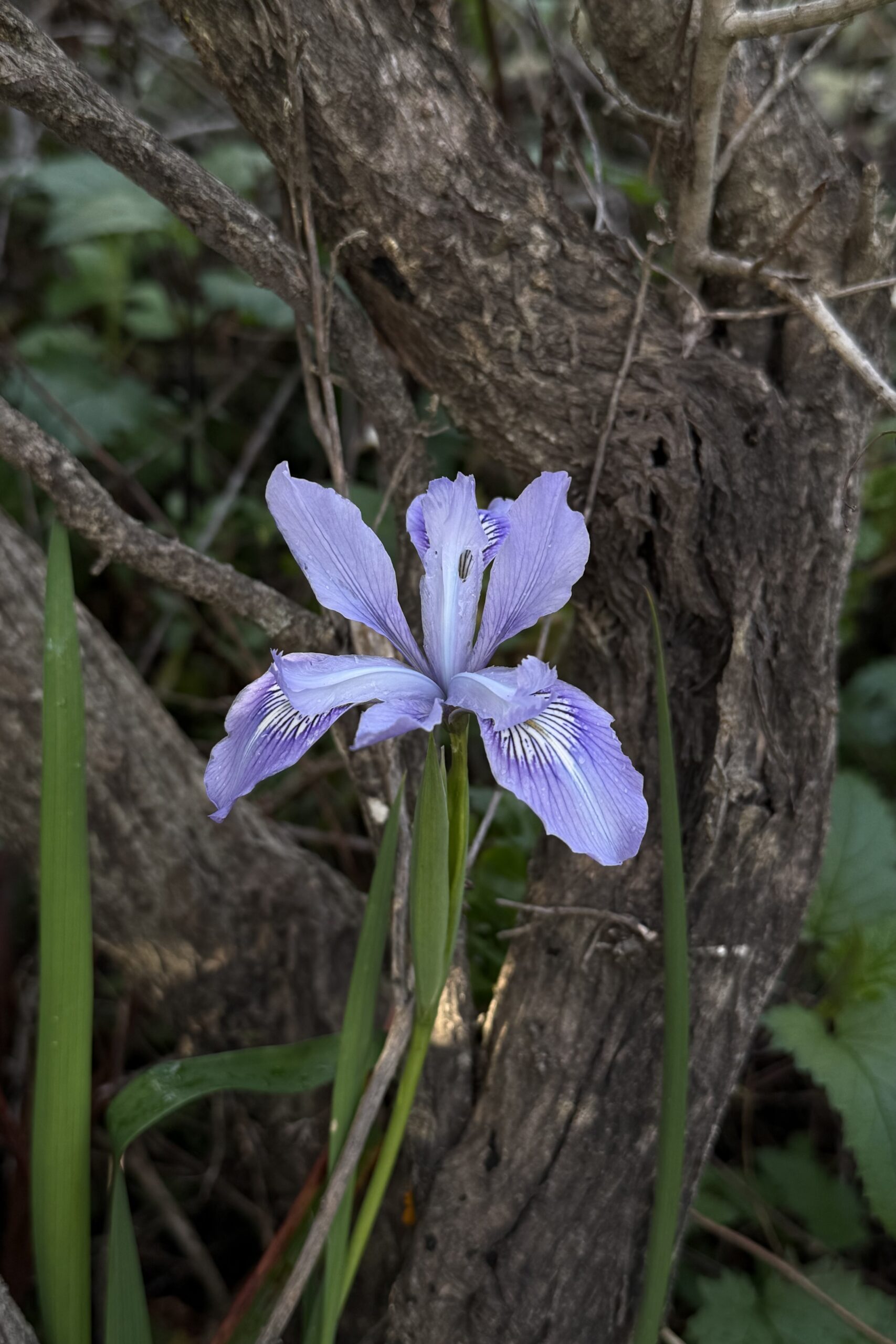
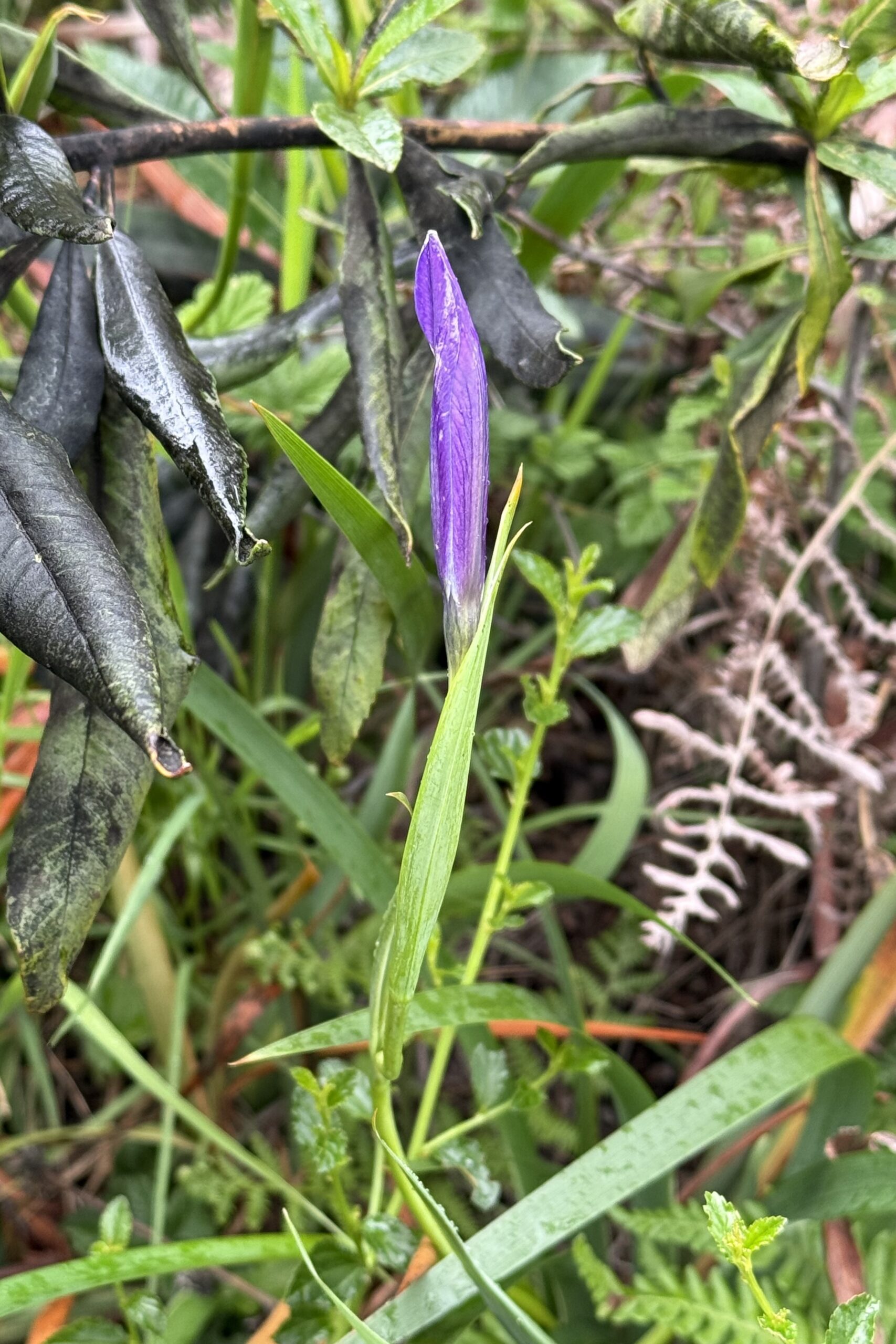
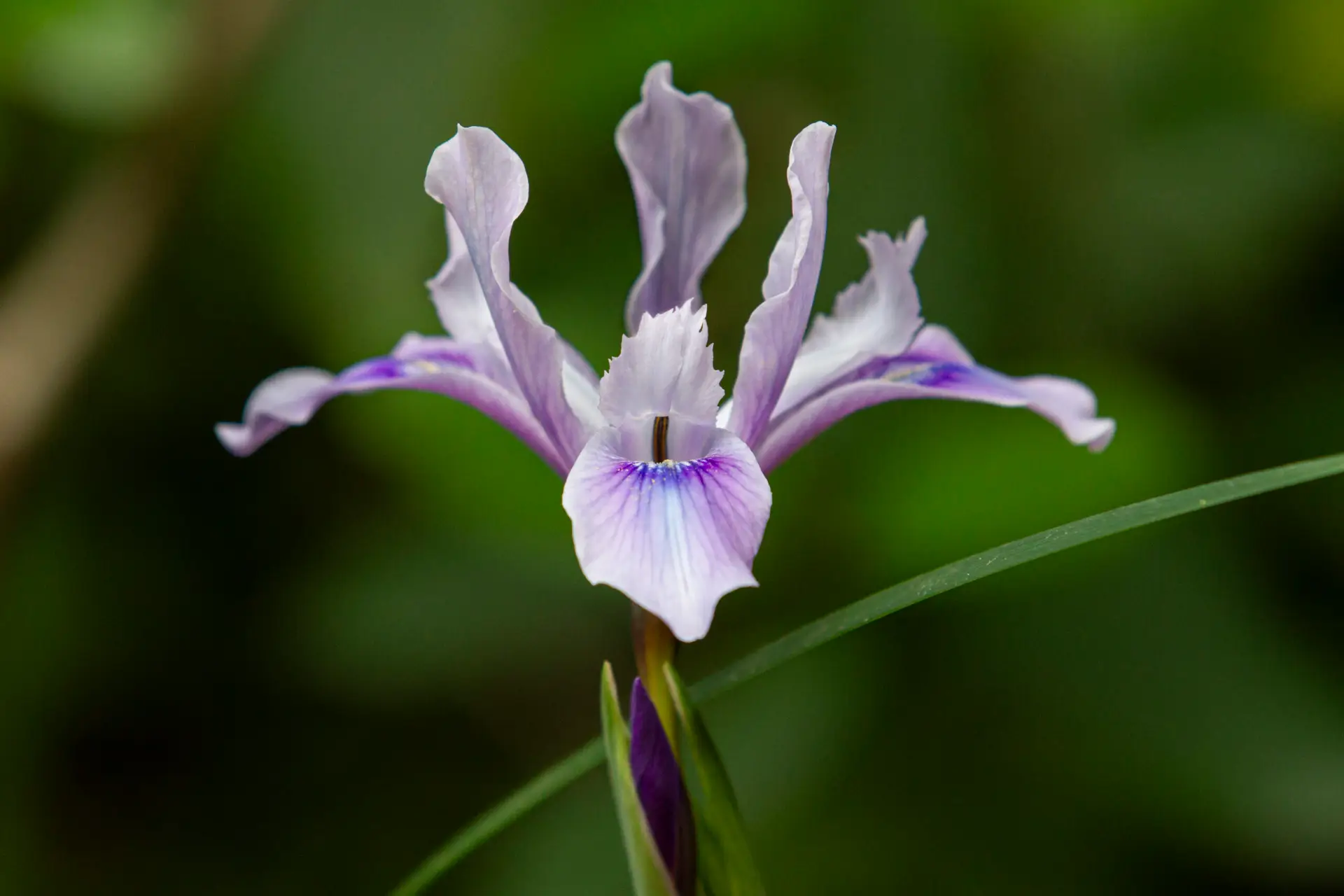
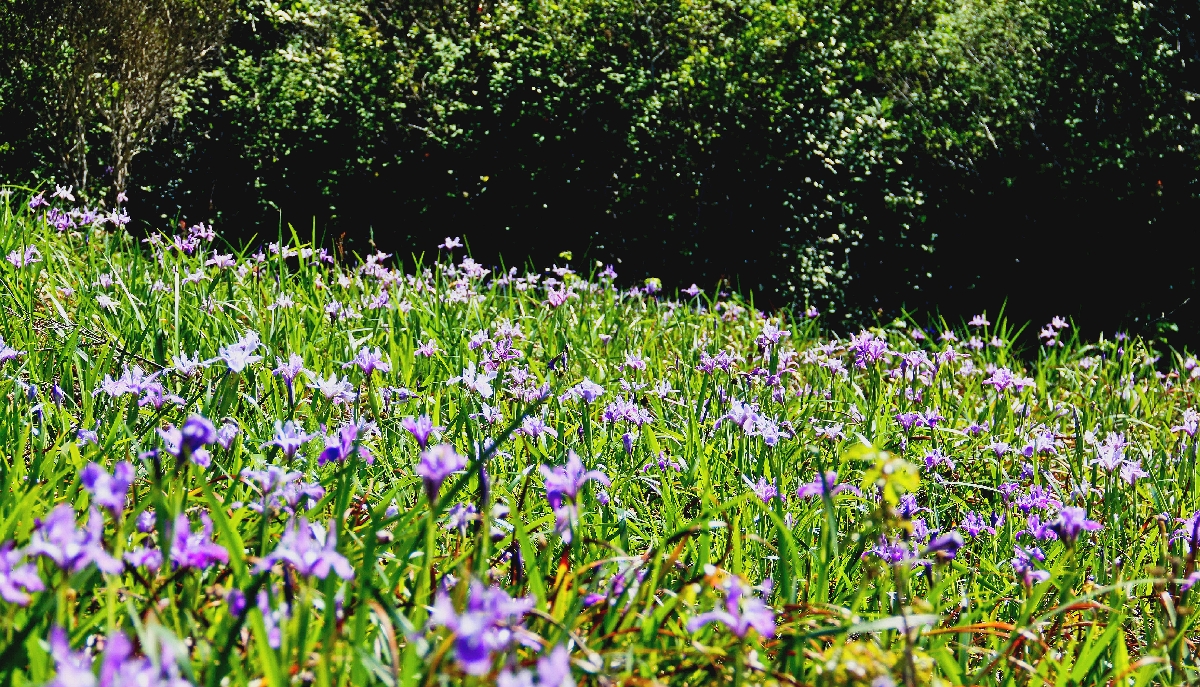
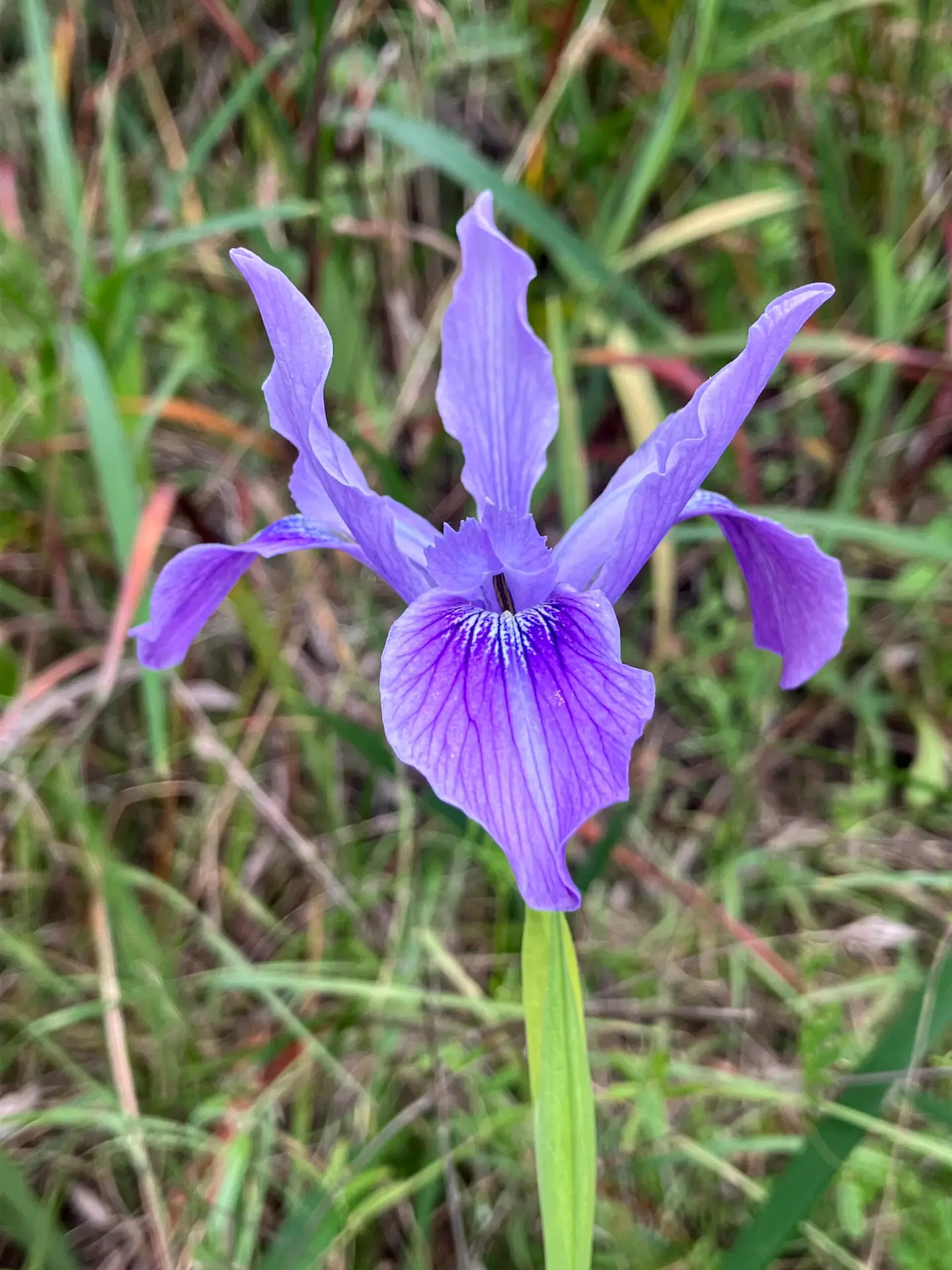
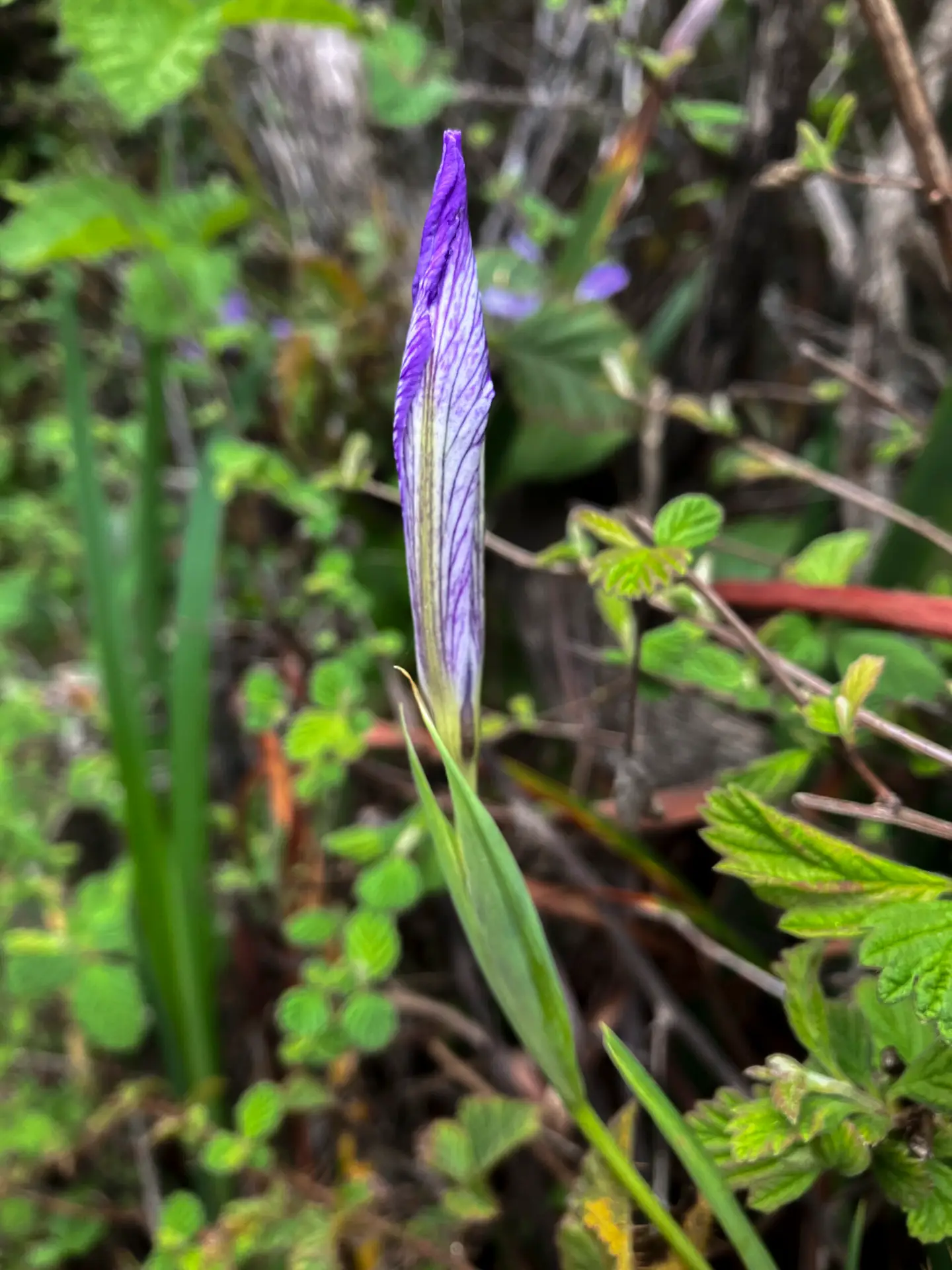
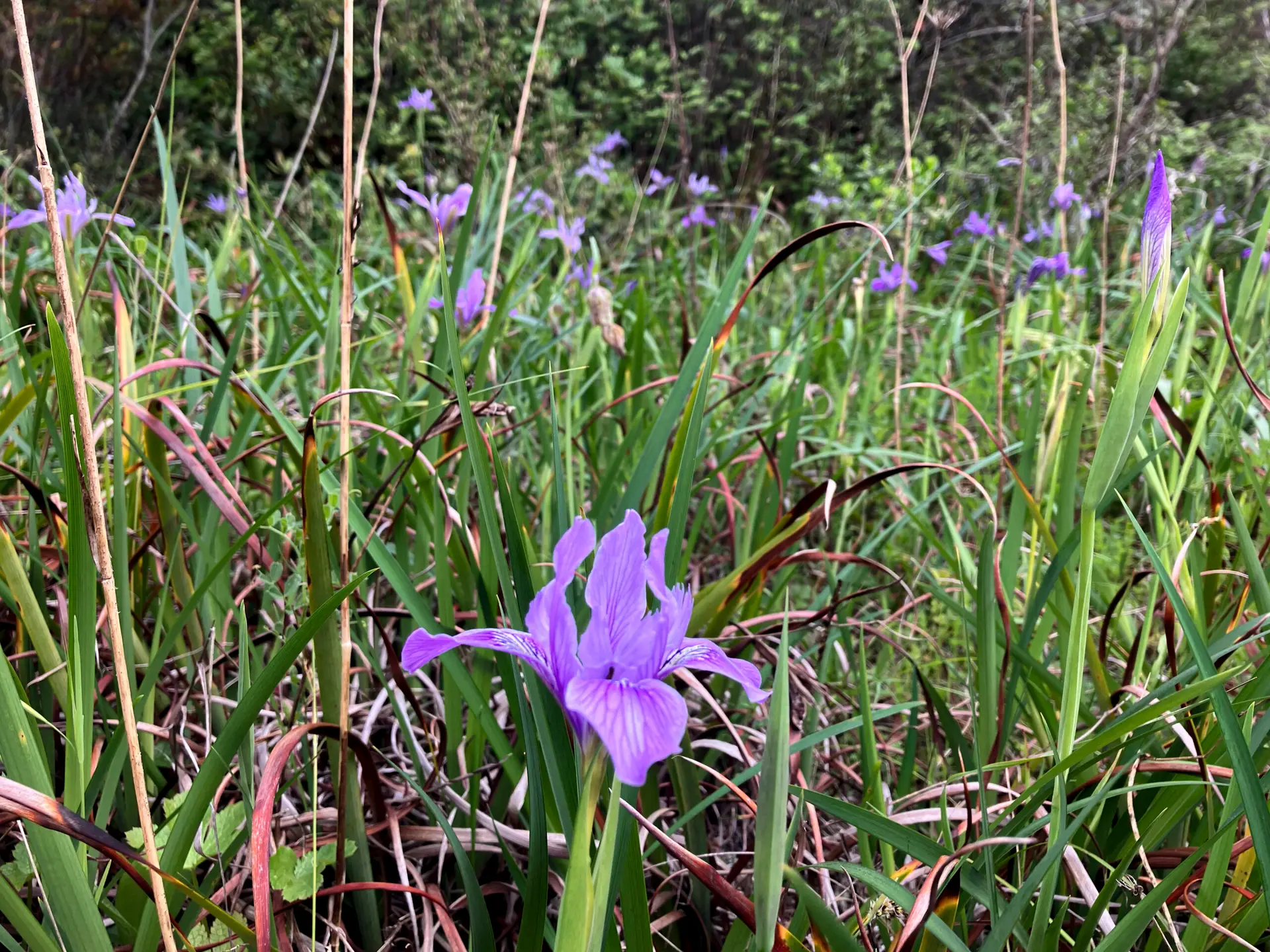
Douglas Iris is a common wildflower in coastal California. It blooms in a variety of colors including white, cream, pink, violet, and blue. It can be found in grasslands, open woodlands, and brushy areas.
Height / Size
The flower stem grows 12 to 20 inches tall. Clumps of iris can be 2 to 4 feet wide. Iris douglasiana can spread vigorously via rhizomes (asexual/clonal reproduction), resulting in often dense “clumps” of plants in localized areas.
Leaves
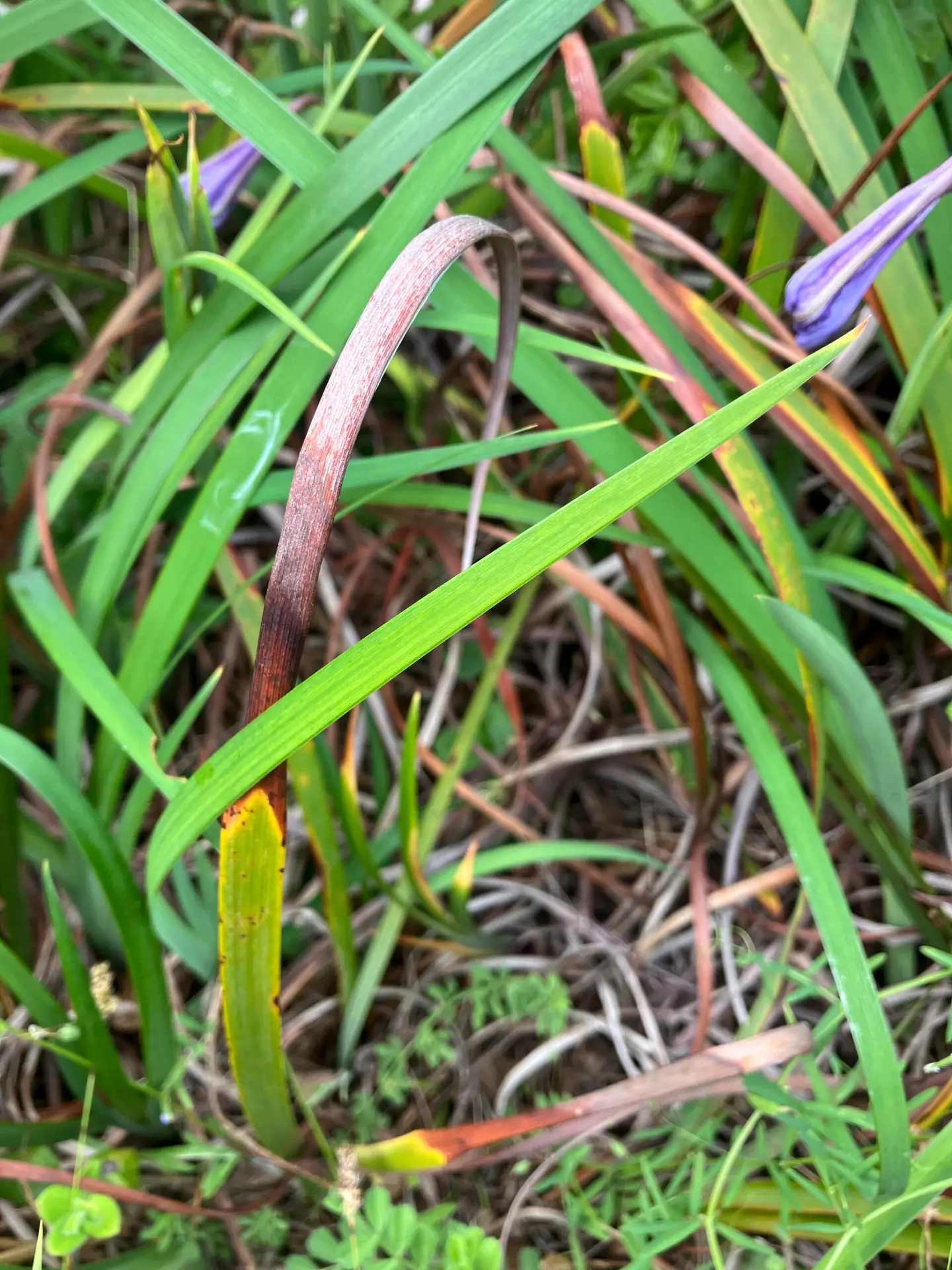
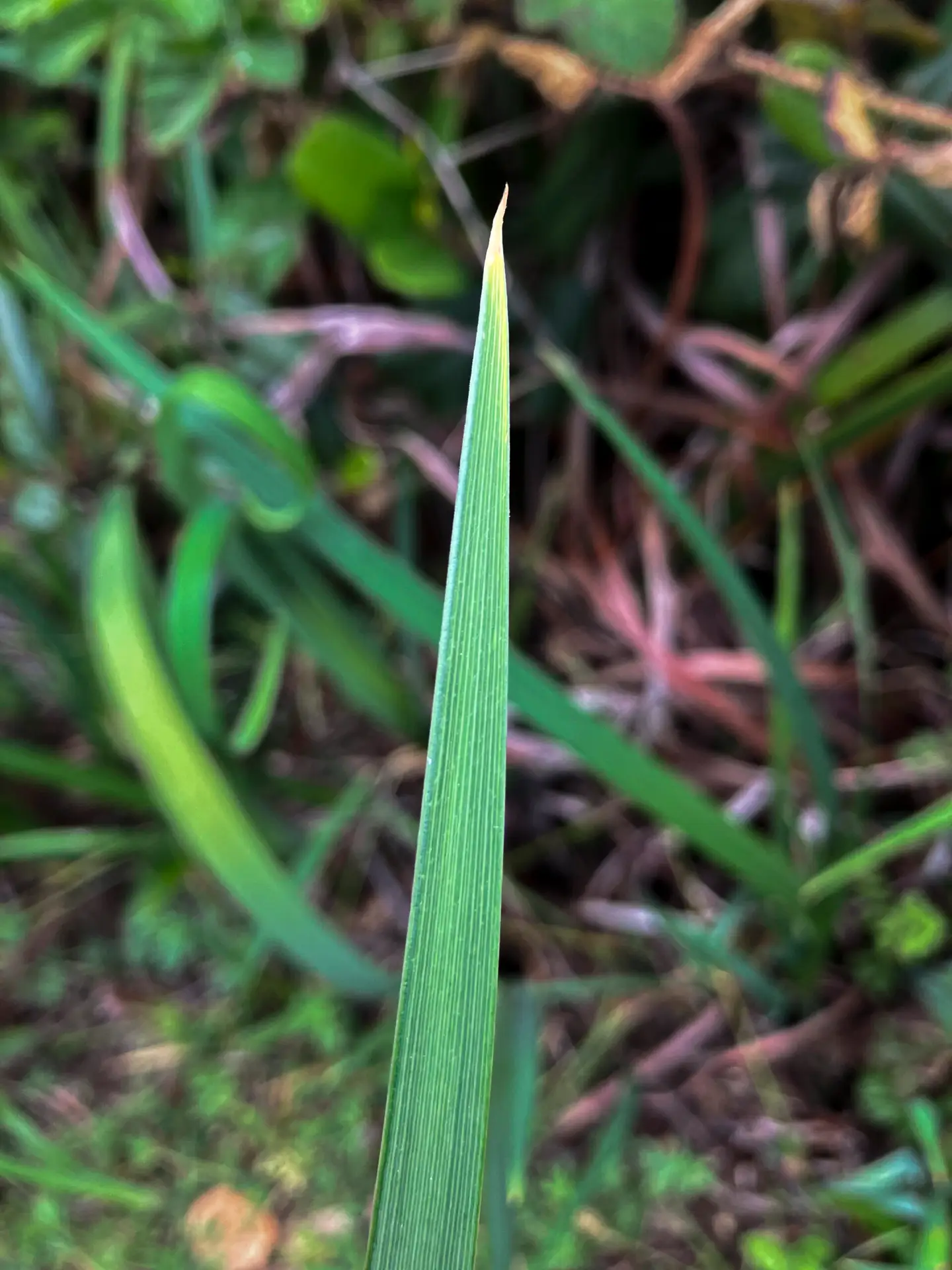
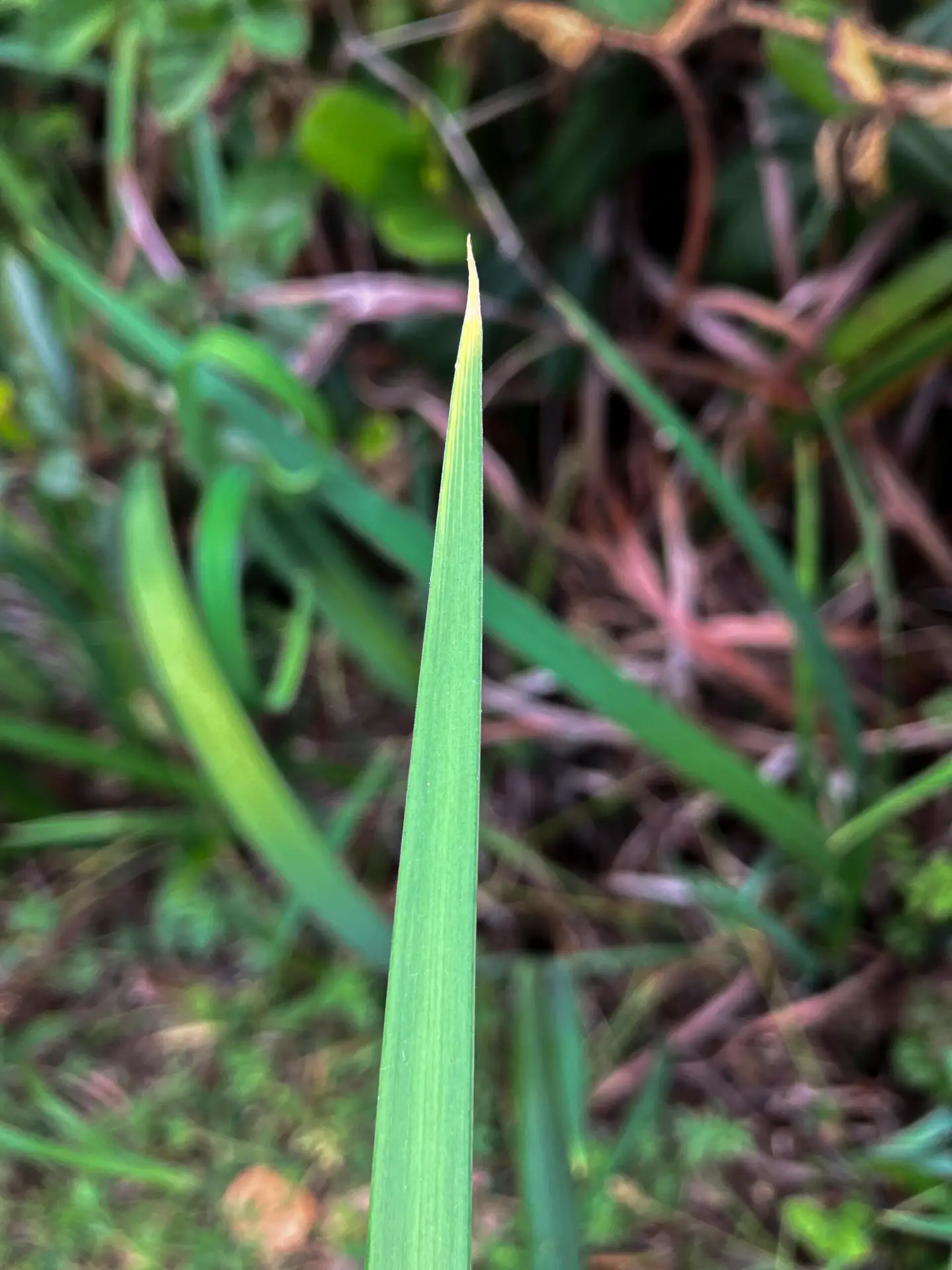
The plant has long, narrow green leaves with parallel veins. The underside of each leaf is paler than the top side. The similar Ground Iris (not in the park) has the same color on both sides of the leaf.
Flower
Flowers contain three inner petals, three style branches which protect the style and stamens, and three outer colorful sepals. Bloom Time: February to June.
Fruit / Seed
The flowers provide an abundance of seeds. The Iris seed is easily collected from the large capsules.
Habitat
Grasslands, open woodlands, and brushy areas. Typically along the coast.
Location / Range
All trails. Grows in northern and central California and southern Oregon, mainly in coastal areas below 300 feet but found occasionally at higher elevations.
Lifespan
Perennial
Fascinating / Fun Facts
Iris is the Greek goddess of the rainbow which may explain the name as it relates to the many colors the flower blooms. It was first described by 19th century botanist David Douglas in Monterey, California.
Read More
Ethnobotany
The leaves are used as fiber/cordage by a number of coastal indigenous groups.
The Friends of San Pedro Valley Park welcomed Morgan Stickrod, a botanist and plant ecologist with over 10 years of experience doing research and field...